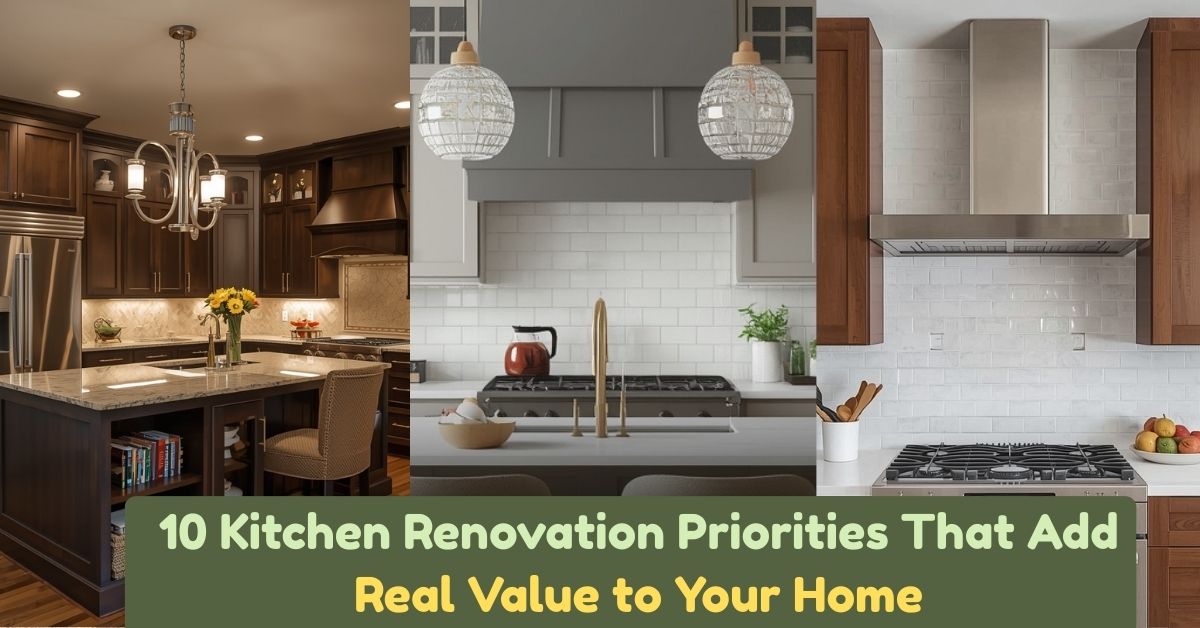
The kitchen is no longer just a place to cook. It has become the heart of the home, a social space, and one of the biggest decision-making areas for buyers when evaluating a property. If you are planning a renovation and want it to genuinely increase your home’s value, focusing on the right priorities matters more than expensive finishes or trendy designs.
Many homeowners make the mistake of overspending on features that look good but do not improve daily usability or resale appeal. A value-adding kitchen renovation focuses on functionality, layout, storage, lighting, and long-term durability. Whether you are renovating a small kitchen, working with a tight budget, or upgrading a home in T1 countries like the UK, Australia, or Singapore, the principles remain the same.
Below are 10 kitchen renovation priorities that add real value to your home, explained in depth so you can invest wisely and avoid costly mistakes.
10 Kitchen Renovation Priorities That Add Real Value to Your Home
Table of Contents
1. Improve the Kitchen Layout First
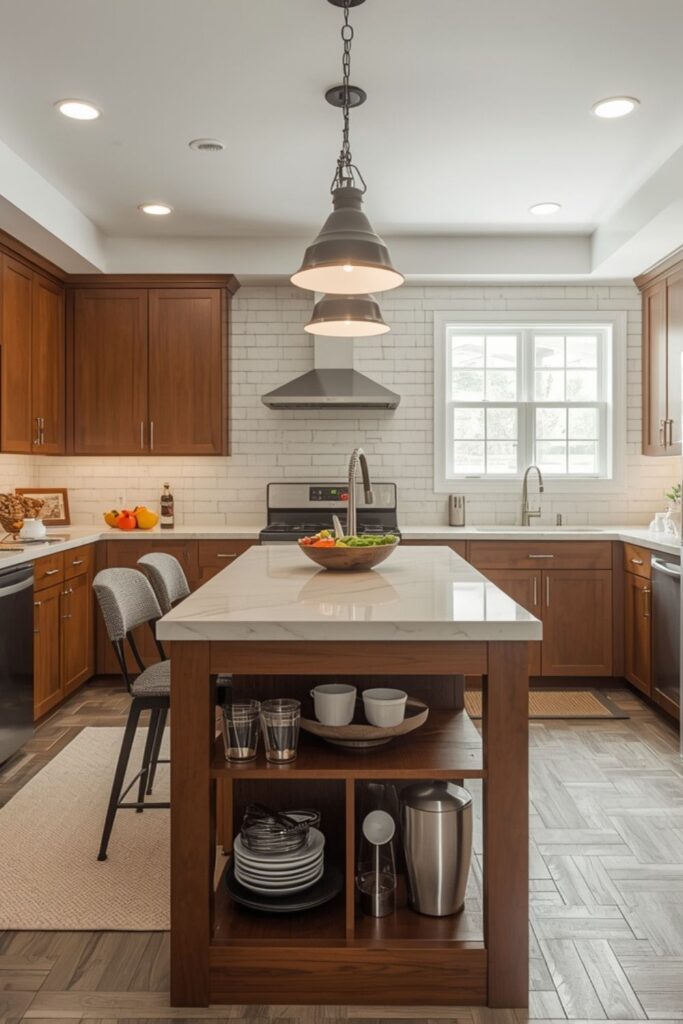
Before choosing cabinets or colors, the layout should be your top priority. A well-planned layout improves workflow, safety, and comfort, which buyers notice immediately.
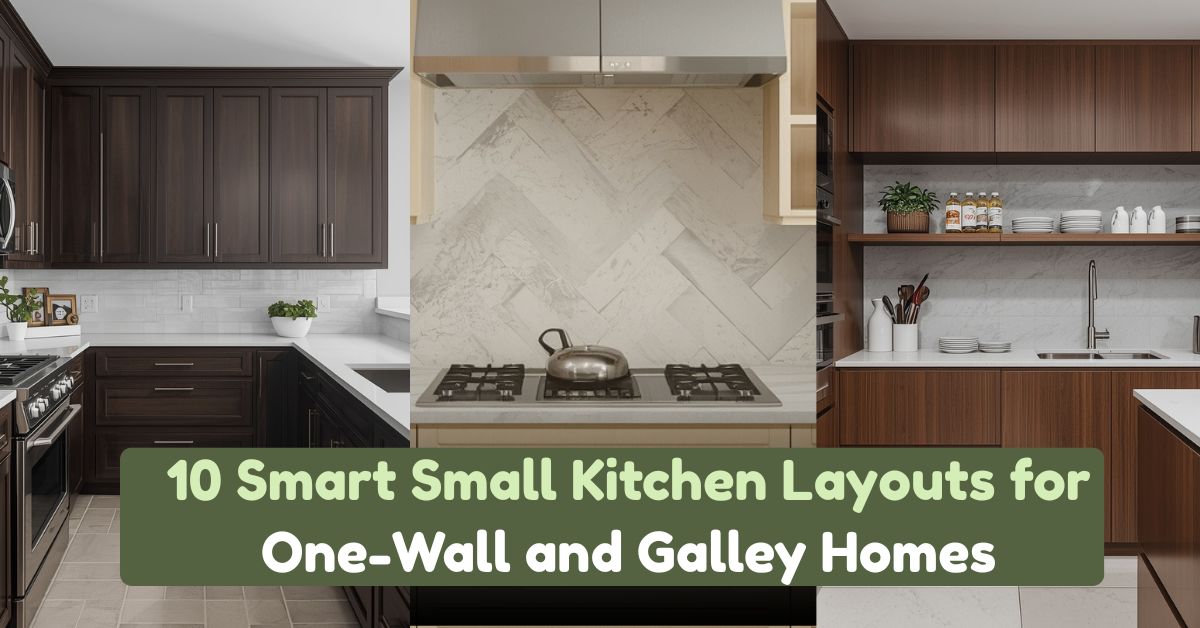
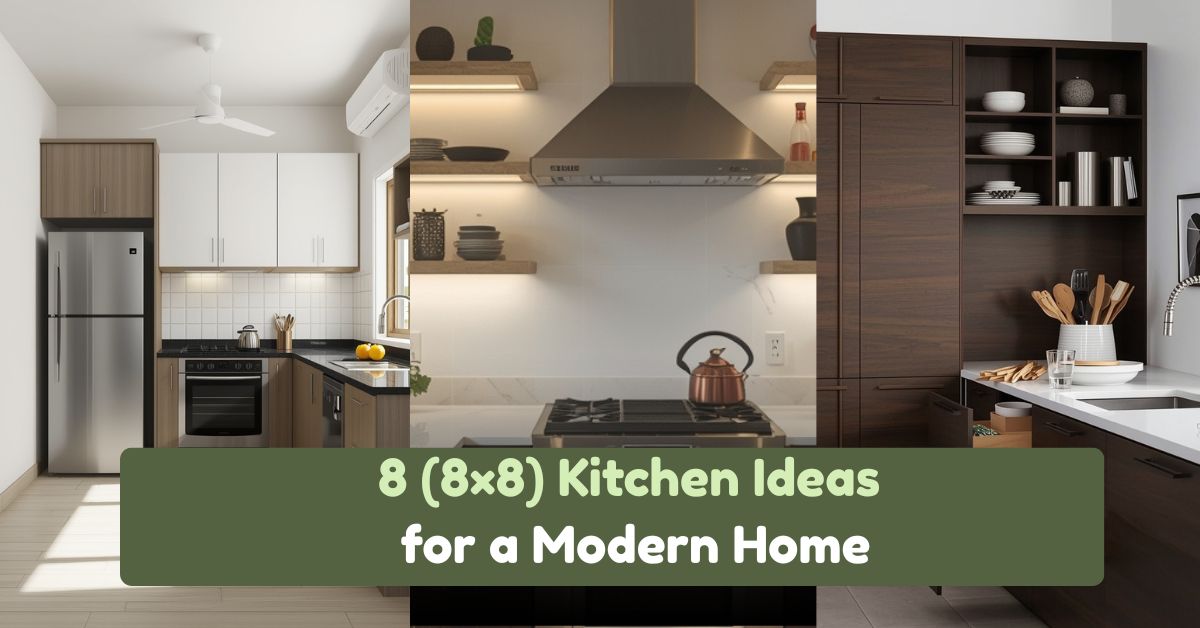
Focus on reducing unnecessary movement between the sink, stove, and refrigerator. Even in small kitchens, adjusting appliance placement or widening walkways can dramatically improve functionality. For compact homes, layouts like L-shaped, galley, or single-wall kitchens work best and are highly valued in urban properties.
A smart layout upgrade does not always require structural changes. Sometimes simply relocating appliances or rethinking counter placement delivers a strong return on investment.
2. Invest in Quality, Timeless Cabinetry
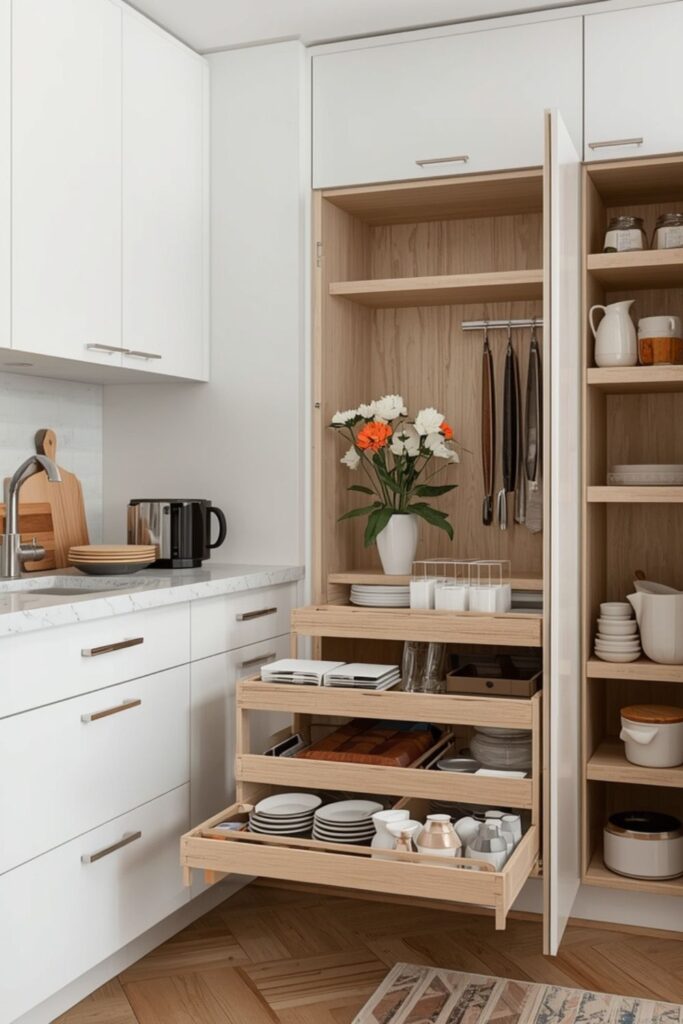
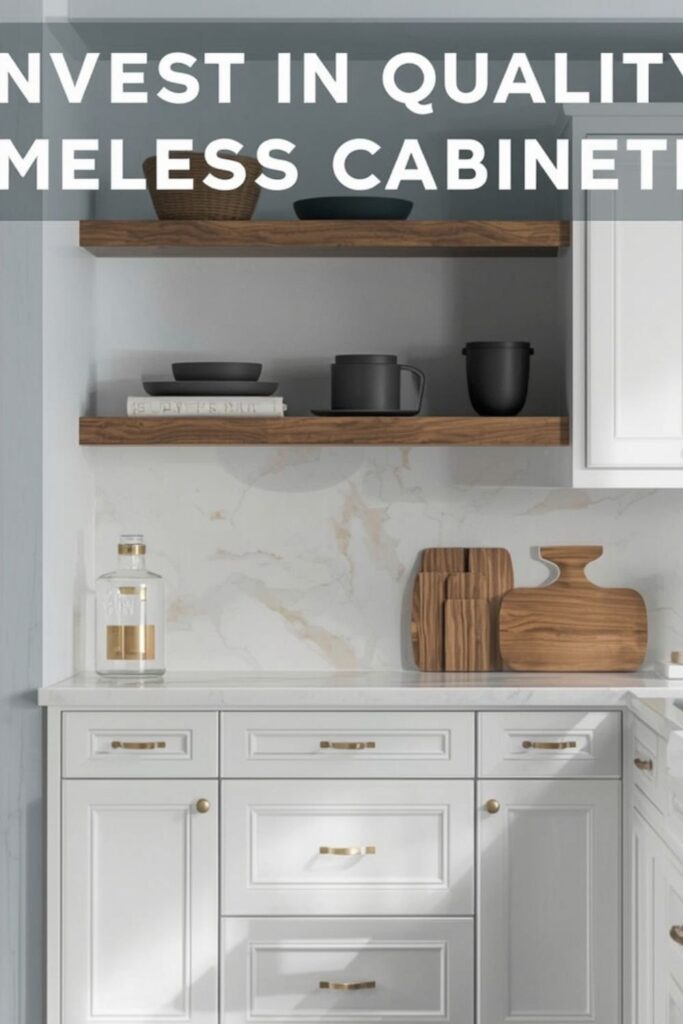
Cabinets dominate the visual and functional space of a kitchen, making them one of the most important renovation priorities. Instead of choosing trendy colors or ornate designs, focus on clean, timeless cabinetry that will age well.
Soft-close hinges, durable materials, and smart internal storage features instantly elevate perceived value. Buyers prefer kitchens that feel solid and easy to maintain rather than decorative but impractical.
For budget renovations, refacing cabinets or upgrading handles can still create a noticeable improvement without full replacement. Closed storage with clean fronts tends to age better than open shelving, especially in busy households. Buyers in T1 countries prefer kitchens that feel organized without constant effort. Storage that hides appliances, cleaning supplies, and food items quietly adds long-term value.
3. Maximize Storage Without Overcrowding
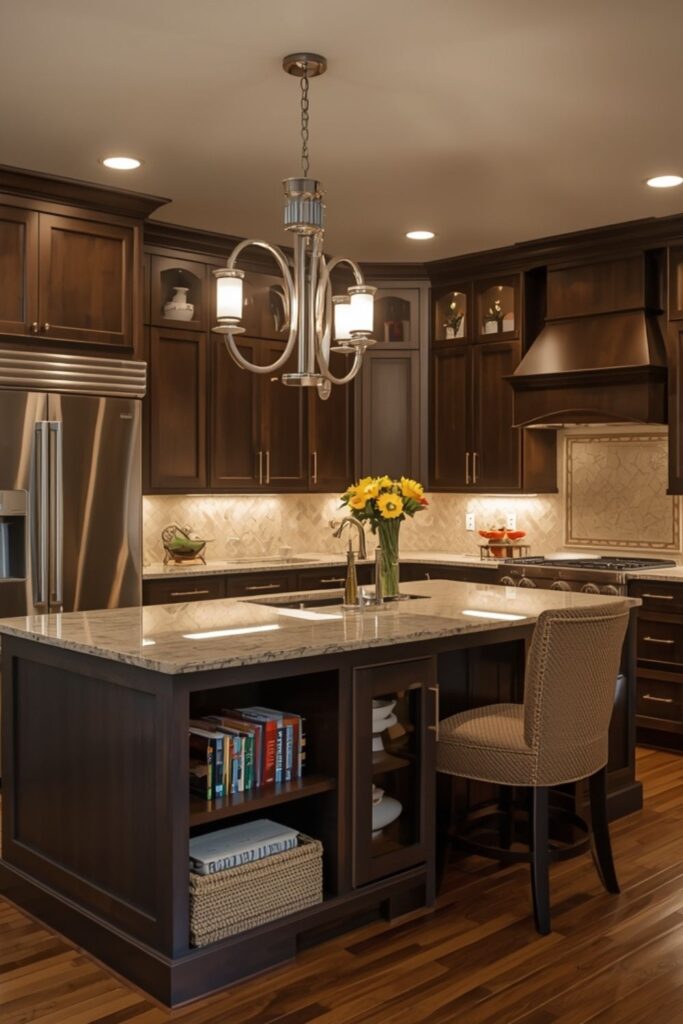
Storage is one of the most requested features in modern kitchens, especially in small homes and apartments. A clutter-free kitchen always feels more valuable.
Prioritize deep drawers, pull-out pantry units, corner solutions, and vertical storage. These features make the kitchen feel organized and efficient, which is appealing to both homeowners and future buyers.
Avoid overcrowding the kitchen with too many cabinets. Balanced storage that maintains open sightlines creates a more spacious and premium feel. For budget renovations, modern laminates can still add value when chosen carefully. Matte finishes and neutral stone patterns age far better than glossy or heavily patterned designs. A countertop that stays visually clean for years is far more valuable than one that simply looks trendy today.
4. Upgrade Countertops for Durability and Appeal
Countertops take daily wear and tear, so durability matters as much as appearance. Materials like quartz, granite, or solid surfaces are popular because they are long-lasting and low maintenance.
If you are renovating on a budget, even laminate countertops with modern finishes can add value if chosen wisely. Neutral tones and subtle textures appeal to a wider audience and photograph well for listings.
Avoid overly bold patterns that may limit buyer appeal in the long run. Neutral cabinet colors—such as warm whites, soft greys, or muted wood tones—perform consistently well across markets. They allow future homeowners to personalize the space without needing a full renovation, which increases resale confidence.
5. Focus on Proper Kitchen Lighting
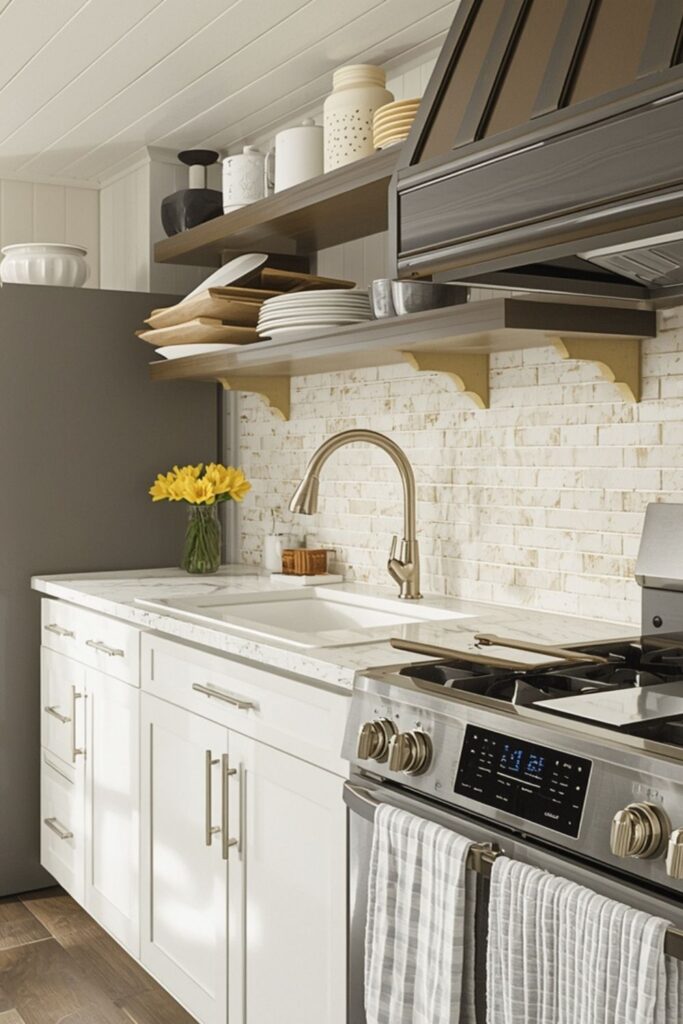
Lighting is often overlooked but plays a major role in how valuable a kitchen feels. A well-lit kitchen appears cleaner, larger, and more functional.
Layered lighting works best. Combine ambient ceiling lights, task lighting under cabinets, and accent lighting for visual warmth. For open kitchens, coordinated lighting helps connect the kitchen with living spaces.
Good lighting does not require expensive fixtures, but it must be thoughtfully planned. Warm-neutral lighting temperatures tend to age better than very cool or overly warm tones. Kitchens that feel bright without being harsh appeal to a wider range of buyers and photograph better for listings, adding indirect resale value.
6. Choose Energy-Efficient Appliances
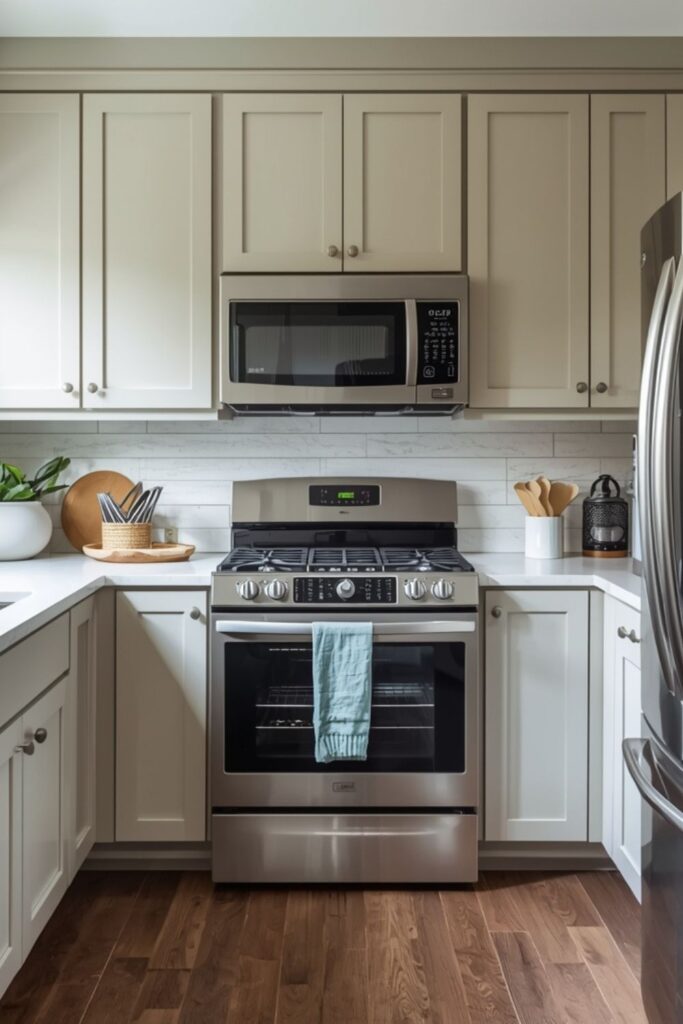
Modern buyers care about efficiency, running costs, and sustainability. Energy-efficient appliances are a strong value-adding feature, especially in T1 countries where energy standards matter.
Integrated or built-in appliances also improve the overall look of the kitchen. Even in small kitchens, compact energy-rated appliances increase usability while reducing utility expenses. Porcelain tiles, engineered wood, and quality vinyl planks are popular choices in T1 markets because they balance durability with modern aesthetics. Large-format tiles with minimal grout lines make kitchens feel more spacious and easier to maintain.
Avoid outdated or mismatched appliances, as they reduce perceived value instantly. Neutral flooring with subtle texture tends to outlast bold patterns. Floors that connect visually with adjacent living areas also improve flow, making open-plan homes feel more cohesive and valuable.
7. Upgrade the Backsplash for Easy Maintenance
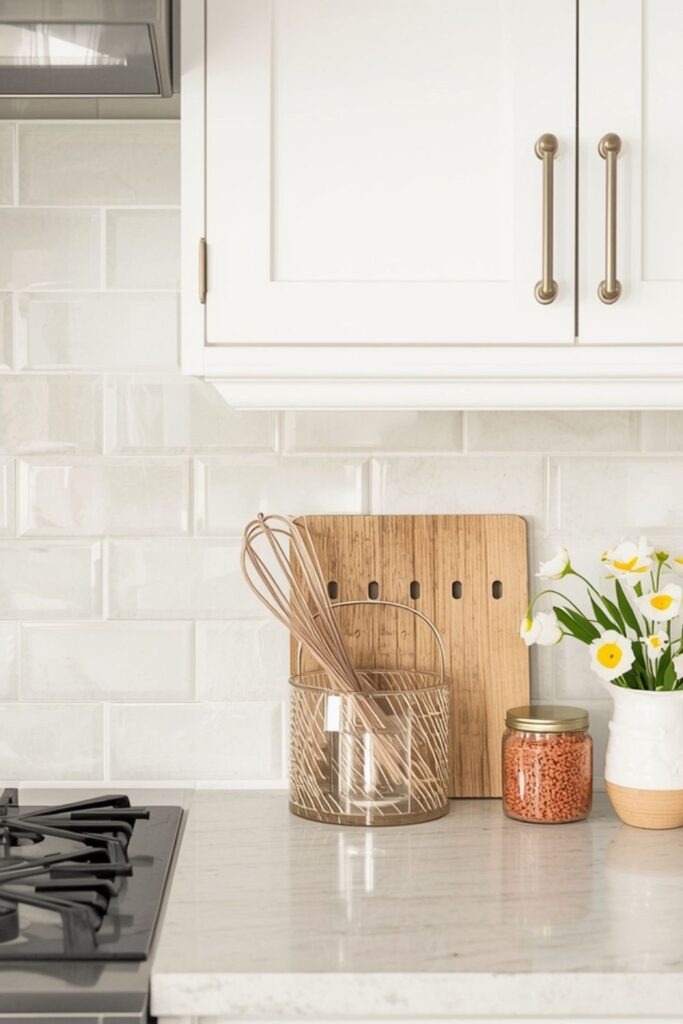
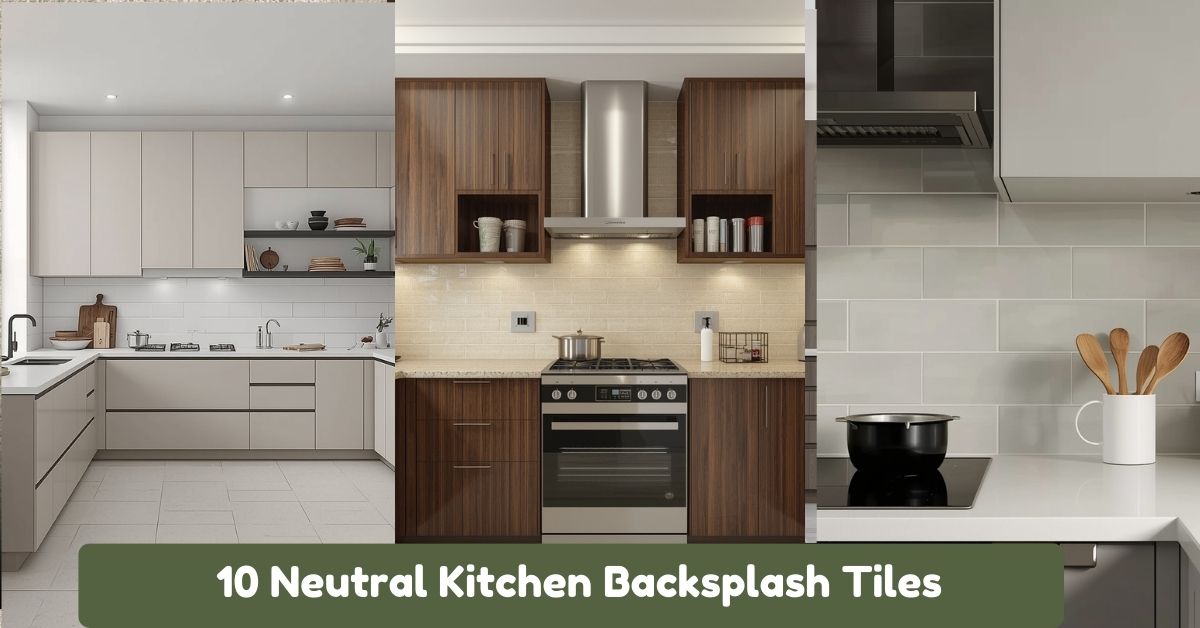
A backsplash protects walls and adds visual interest without overwhelming the space. Simple, easy-to-clean materials such as ceramic tiles, subway tiles, or glass panels are always safe choices. Neutral or lightly textured backsplashes appeal to a wide audience and fit both modern and classic kitchen styles. They are also cost-effective upgrades with a noticeable impact.
This is one of the easiest ways to refresh a kitchen without a full renovation. Energy-efficient models appeal strongly in T1 countries, where long-term operating costs matter. Choosing standard sizes also protects future value, as replacements remain easy and affordable.
8. Improve Ventilation and Airflow
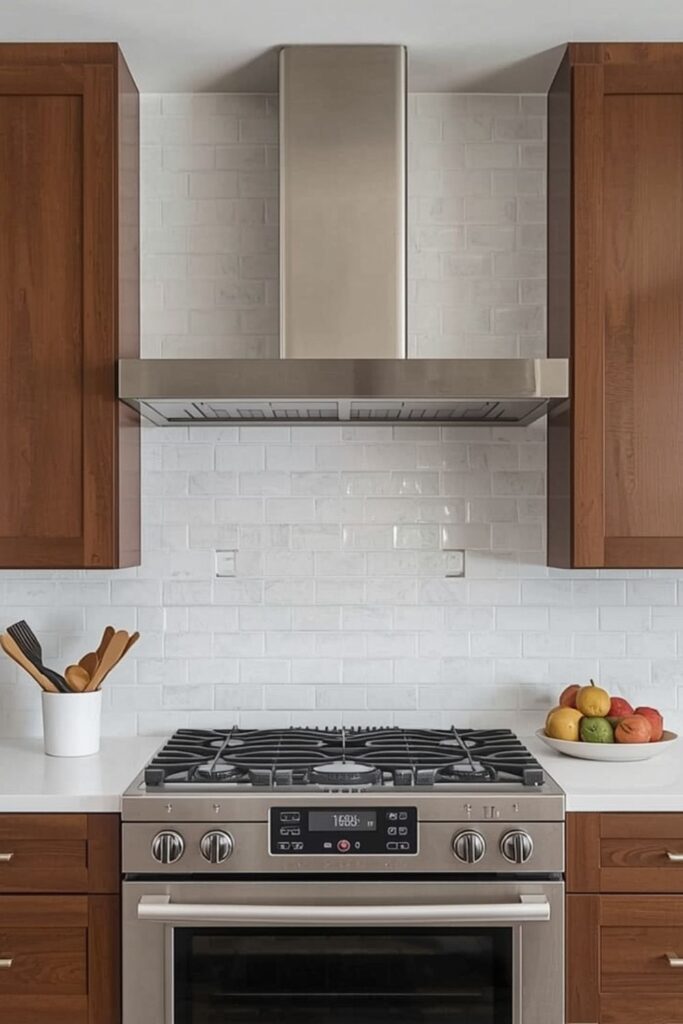
Good ventilation is a practical priority that buyers appreciate, even if it is not immediately visible. Proper exhaust systems reduce odors, heat, and moisture, protecting cabinets and finishes over time.
A well-sized range hood or integrated ventilation system improves air quality and protects cabinetry and walls. In open kitchens, proper ventilation becomes even more important, as cooking smells travel easily.
For apartments or compact homes, sleek chimney hoods or concealed ventilation systems work best. A kitchen that stays fresh and comfortable always feels more premium. Good airflow also supports healthier indoor environments, which buyers increasingly value. Ventilation upgrades may not be visually obvious, but they contribute to how “fresh” a kitchen feels over time.
Poor ventilation can reduce long-term value by causing maintenance issues later.
9. Use Neutral, Buyer-Friendly Color Schemes
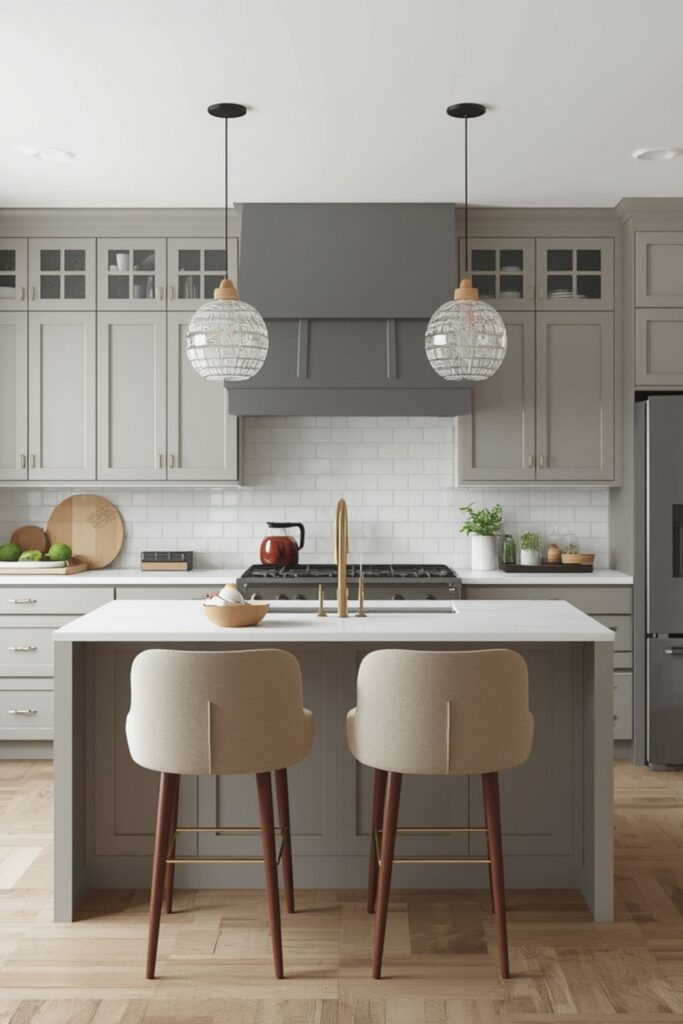
Color choices strongly influence how buyers perceive space. Neutral tones like whites, greys, soft beiges, and muted earth colors make kitchens feel larger and brighter.
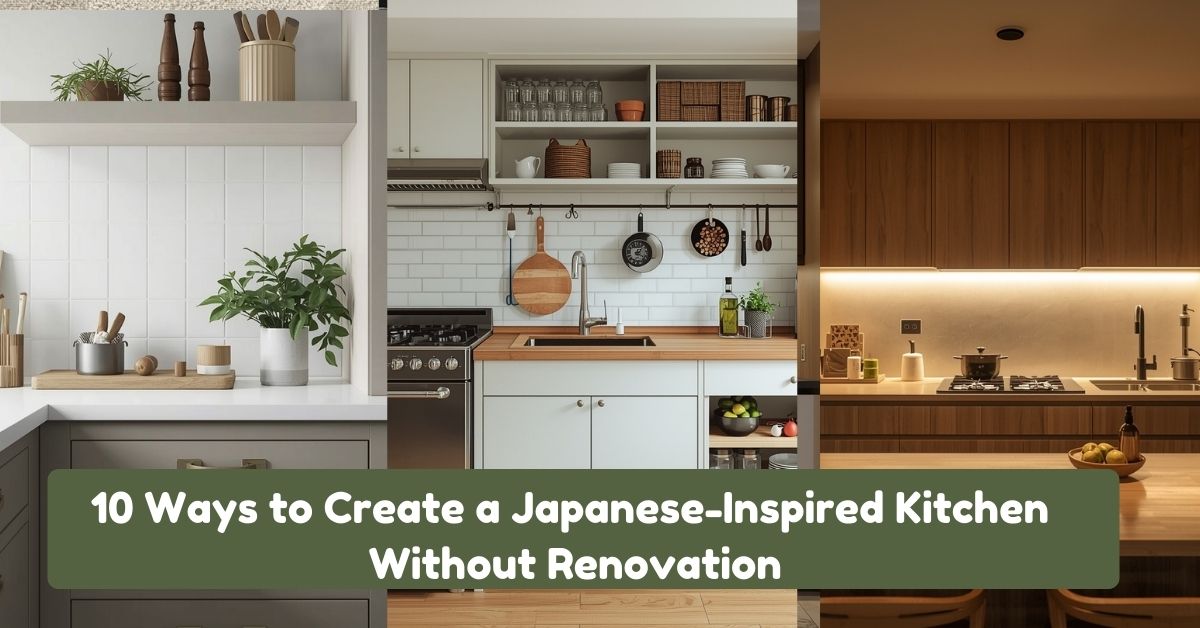
Accent colors can be added through accessories or lighting rather than permanent fixtures. This allows future homeowners to personalize the space easily. This doesn’t mean boring. Texture, natural materials, and subtle contrast can add character without overwhelming the space. Soft backsplashes, understated hardware, and simple finishes age far better than bold statements.
Avoid overly bold or dark color schemes that may limit appeal, especially in small kitchens. A kitchen that allows future owners to add their own personality—through decor, lighting, or accessories—feels flexible and valuable rather than restrictive.
10. Prioritize Long-Term Maintenance Over Trends
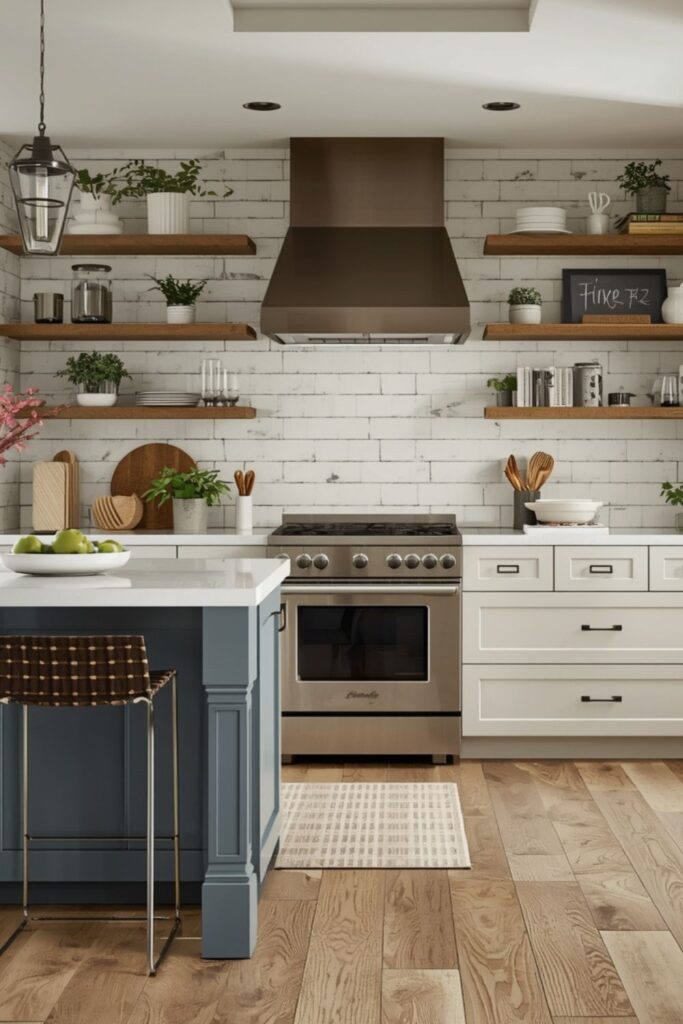
The final and most important priority is thinking long-term. Kitchens that are easy to clean, repair, and maintain hold value better than trend-focused designs.
Durable flooring, moisture-resistant materials, and simple hardware choices reduce future upkeep. Buyers are more confident investing in homes that will not require immediate renovations. These features may seem minor, but they signal quality and care. Buyers notice when a kitchen feels thoughtfully planned rather than rushed or purely cosmetic. A kitchen that looks good five to ten years from now adds more value than one that follows short-lived design trends.
Frequently Asked Questions (FAQs)
1. Does a kitchen renovation really increase home value?
Yes, a well-planned kitchen renovation consistently ranks among the top home improvements for return on investment, especially when focused on layout, storage, and functionality.
2. What is the most important priority in a kitchen renovation?
Improving the layout is the most important priority, as it directly affects usability, flow, and buyer appeal.
3. Can small kitchen renovations add value?
Absolutely. Smart storage, better lighting, and neutral finishes can significantly increase value even in very small kitchens.
4. Are budget kitchen renovations worth it?
Yes, if money is spent on high-impact areas like cabinets, lighting, and countertops rather than unnecessary decor.
5. Should I follow trends when renovating my kitchen?
It is better to focus on timeless designs and practical upgrades. Trends can be added through accessories instead of permanent features.
Conclusion
A kitchen renovation does not need to be expensive to add real value to your home. What matters most is prioritizing function, durability, and thoughtful design. By focusing on layout, storage, lighting, and long-term usability, you create a kitchen that works better today and remains appealing in the future.
Whether you are renovating a small kitchen, upgrading on a budget, or preparing a property for resale in T1 countries, these kitchen renovation priorities help ensure your investment pays off. A practical, well-designed kitchen is always one of the strongest selling points a home can have.
Explore More: 12 Dining Nook Ideas That Make Even Small Spaces Feel Warm and Inviting