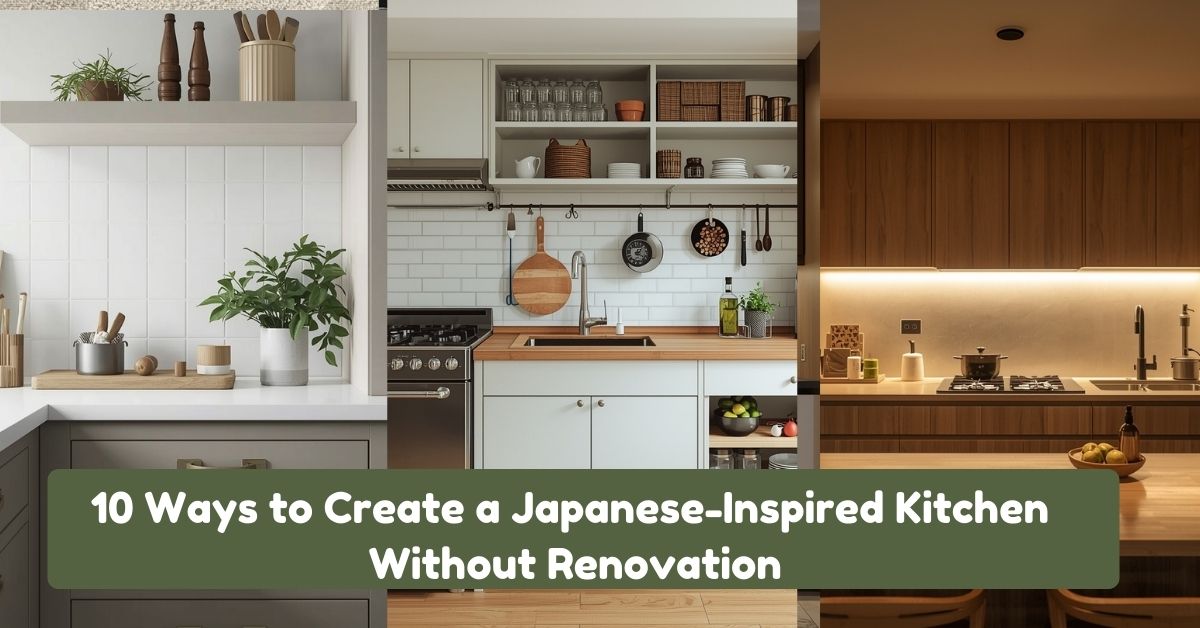
In many small homes, the kitchen quietly becomes one of the most demanding spaces. It needs to support daily routines, feel calm during busy hours, and still remain visually light. This is where Japanese Kitchen Layouts for Small Homes offer something deeply reassuring. They are not designed to impress at first glance, but to feel right over time.
Japanese kitchen design has always respected space, movement, and restraint. Instead of filling every corner, these layouts focus on what is essential and how it fits into everyday life. For small homes, this approach creates kitchens that feel organized, breathable, and naturally functional. This article explores how minimal Kitchen Layouts for Small Homes bring clarity and ease without sacrificing warmth.
10 Minimal Japanese Kitchen Layouts for Small Homes
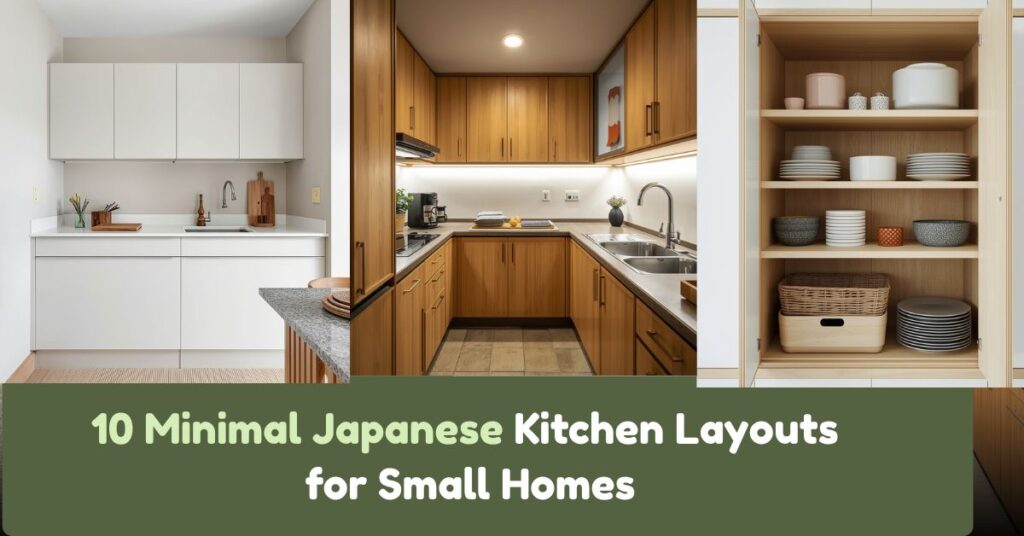
Table of Contents
1. Linear Layouts That Respect Narrow Spaces
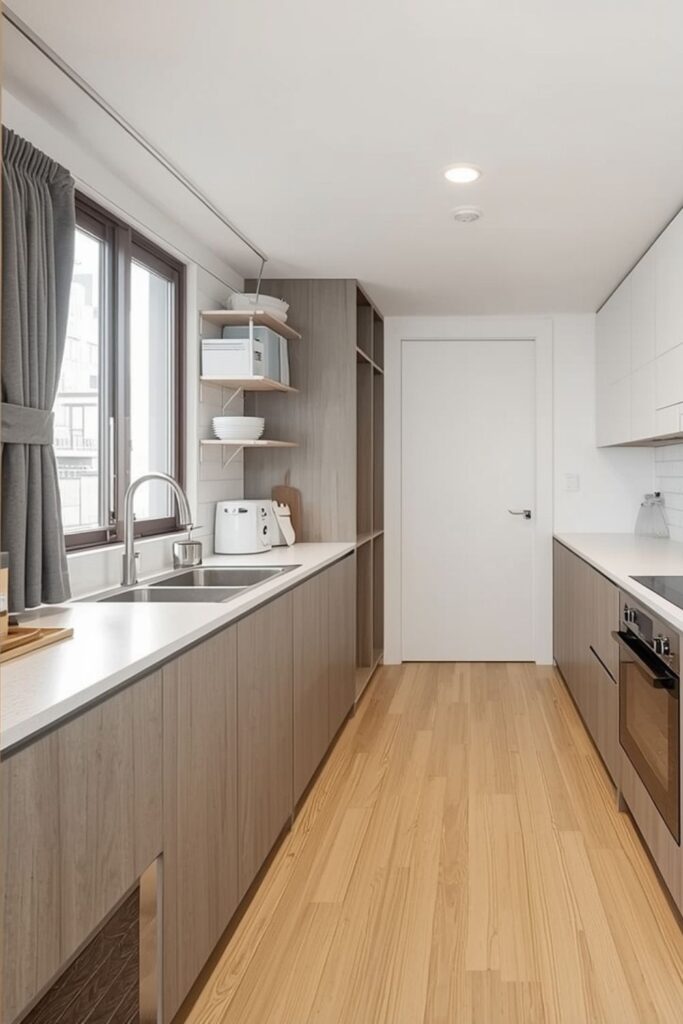
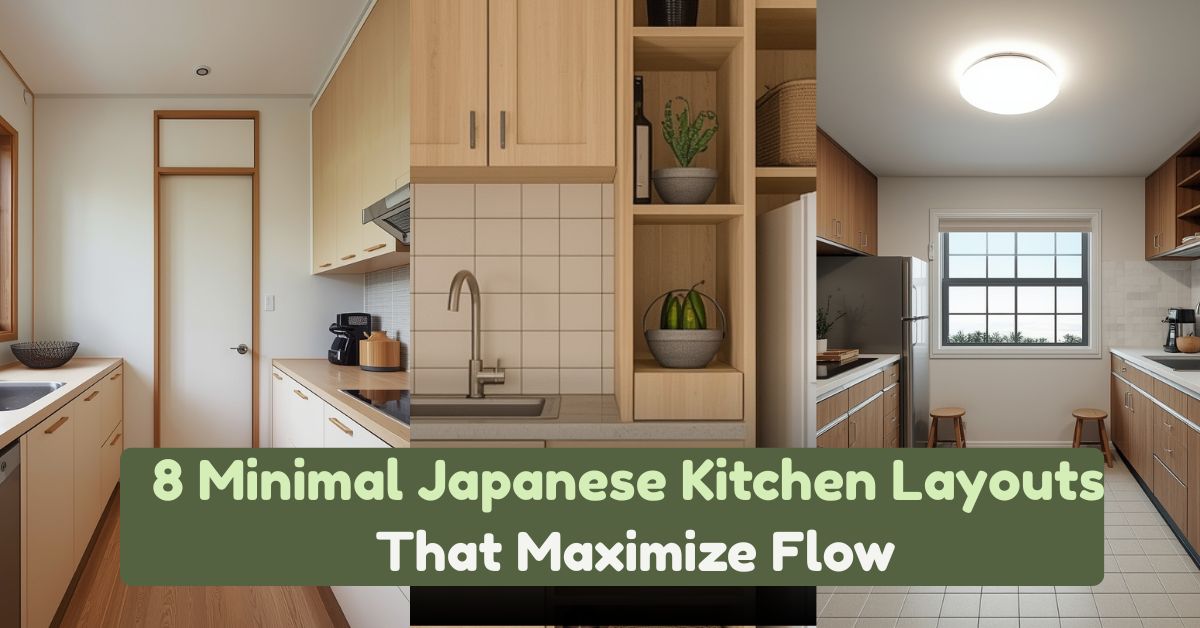
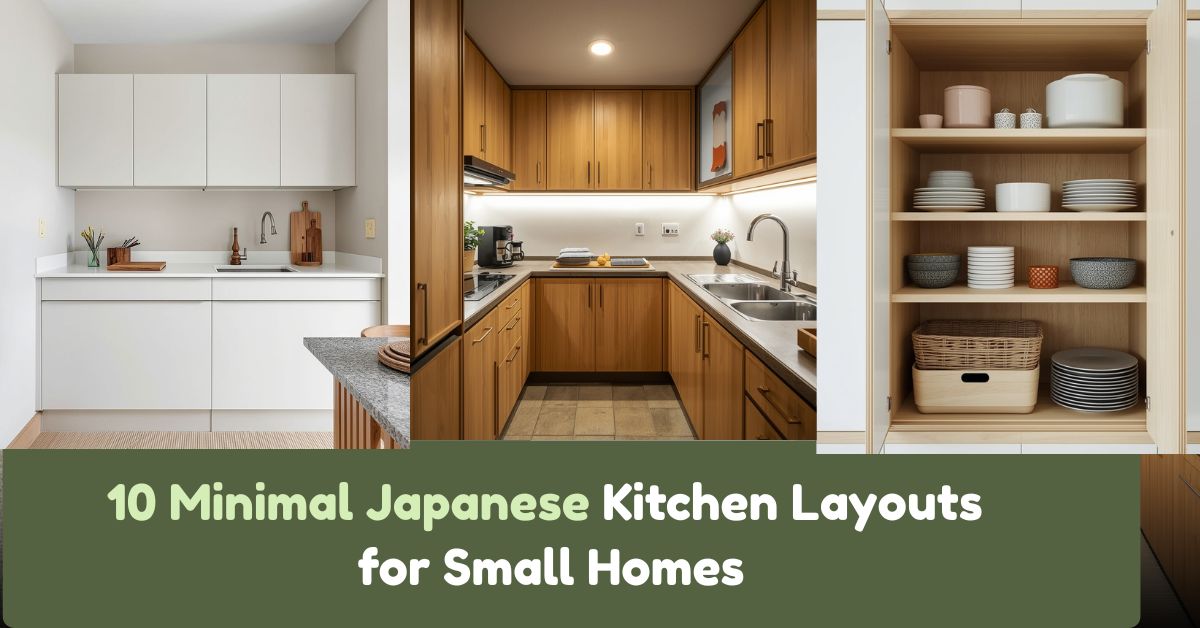
One of the most common Japanese Kitchen Layouts for Small Homes is the linear setup. Everything is placed along a single wall, allowing the rest of the space to remain open and uncluttered.
This design works especially well in compact apartments and studio homes. By keeping appliances, storage, and work surfaces aligned, the kitchen feels calm rather than compressed. The simplicity of these Japanese Kitchen Layouts for Small Homes designs allows movement to stay fluid and stress-free.
2. Compact L-Shaped Layouts for Subtle Separation
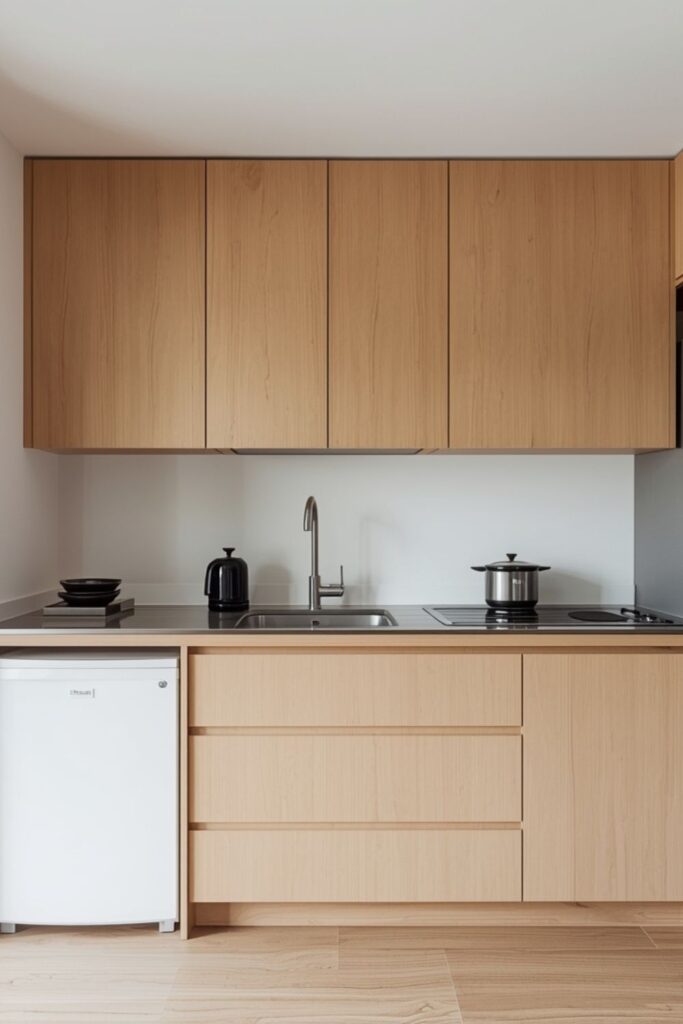
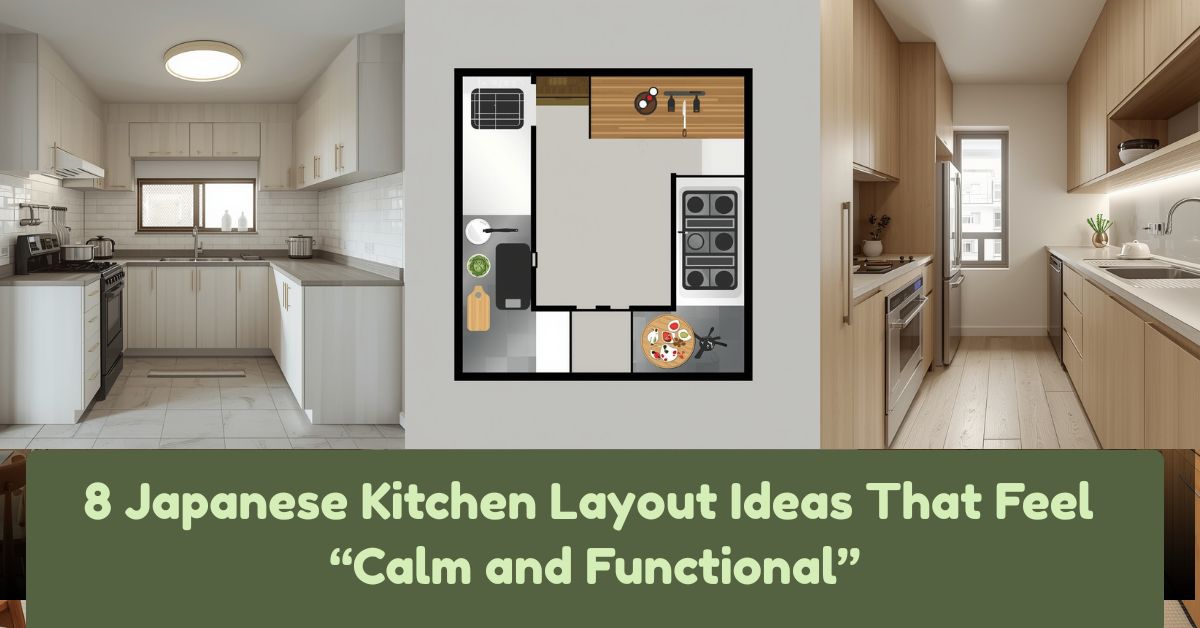
In slightly wider small homes, an L-shaped layout offers gentle zoning without visual heaviness. These Japanese Kitchen Layouts for Small Homes setups allow cooking and cleaning areas to flow naturally into each other.
The corner placement makes efficient use of space while keeping counters clear. When designed with minimal cabinetry and soft finishes, this layout maintains the quiet balance that defines Japanese Kitchen Layouts for Small Homes modern interiors.
3. Low-Profile Cabinetry for Visual Calm
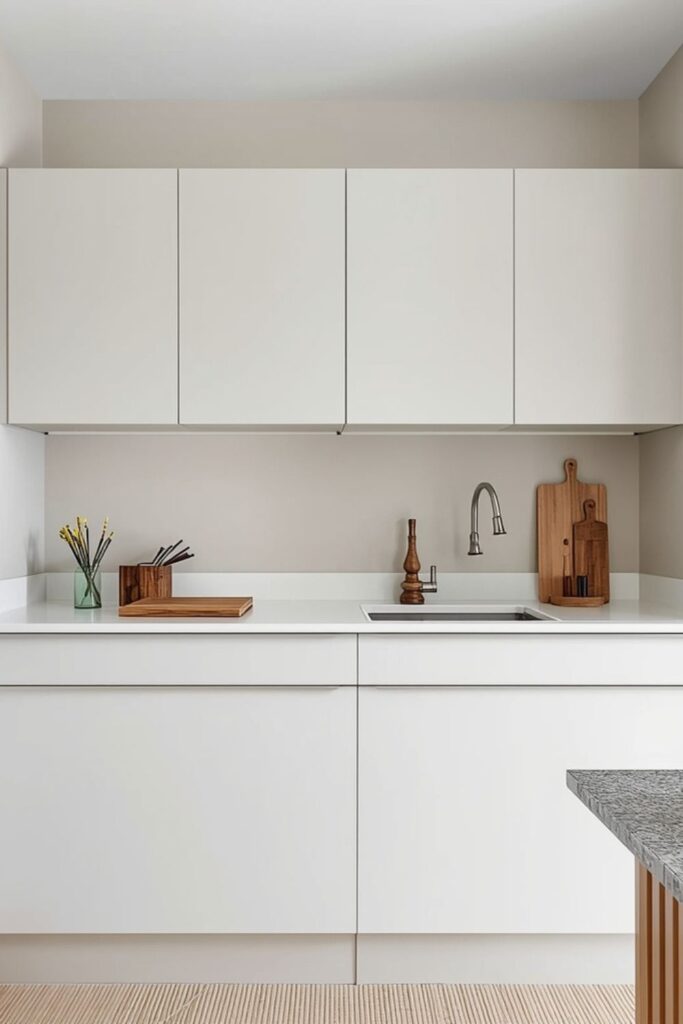
Japanese kitchens often rely on low-profile cabinets that sit comfortably within the room rather than dominating it. This approach is especially helpful in small homes where tall units can feel overwhelming.
By keeping cabinetry simple and understated, Japanese Kitchen Layouts for Small Homes design homes feel lighter and more open. Storage is present, but never visually demanding, supporting both order and calm.
4. Thoughtful Work Zones Instead of Excess Features
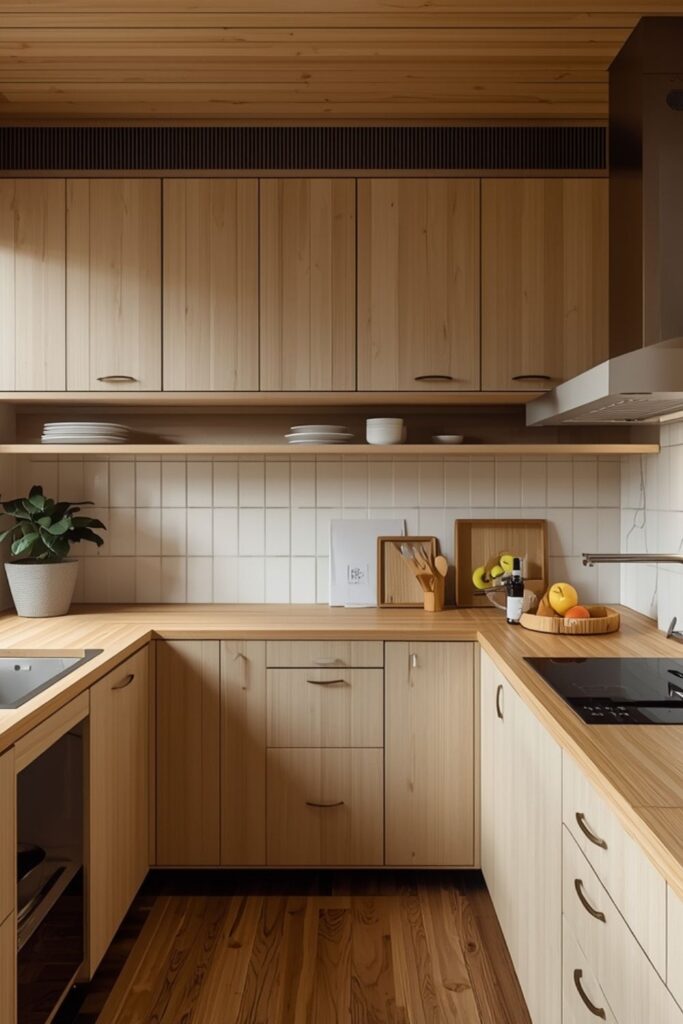
Instead of adding multiple appliances or counters, Japanese Kitchen Layouts for Small Homes focus on well-defined work zones. Each area has a purpose, and nothing is added without reason.
This mindset reduces clutter before it appears. Cooking, washing, and preparation areas flow together quietly, making daily tasks feel easier and more intuitive in small homes.
5. Natural Materials That Soften Small Spaces
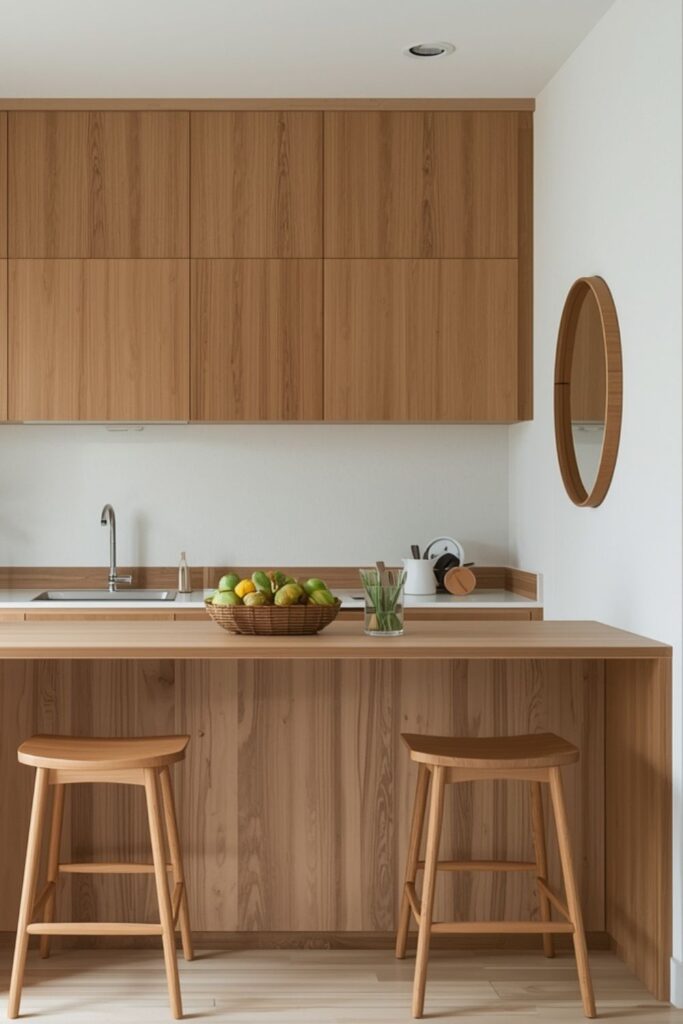
Material choice plays a quiet but important role in Japanese Kitchen Layouts for Small Homes designs. Wood tones, matte finishes, and subtle textures add warmth without visual noise.
In small homes, these materials help the kitchen feel connected to the rest of the living space. Rather than standing out, the kitchen blends in gently, supporting a sense of continuity and calm.
6. Minimal Open Storage for Everyday Ease
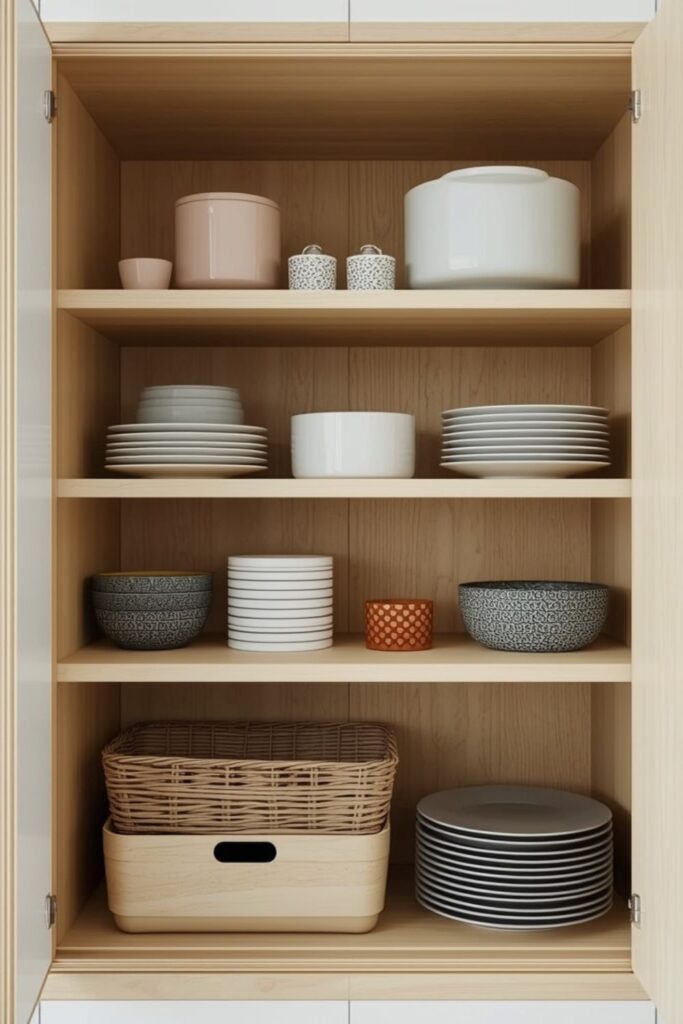
While Japanese kitchens are known for order, they are not rigid. A small amount of open storage is often used for daily essentials.
In Japanese Kitchen Layouts for Small Homes small homes, this approach keeps frequently used items accessible while maintaining visual simplicity. The key is restraint—only what is used regularly is visible, nothing more.
7. Soft Lighting That Enhances Function
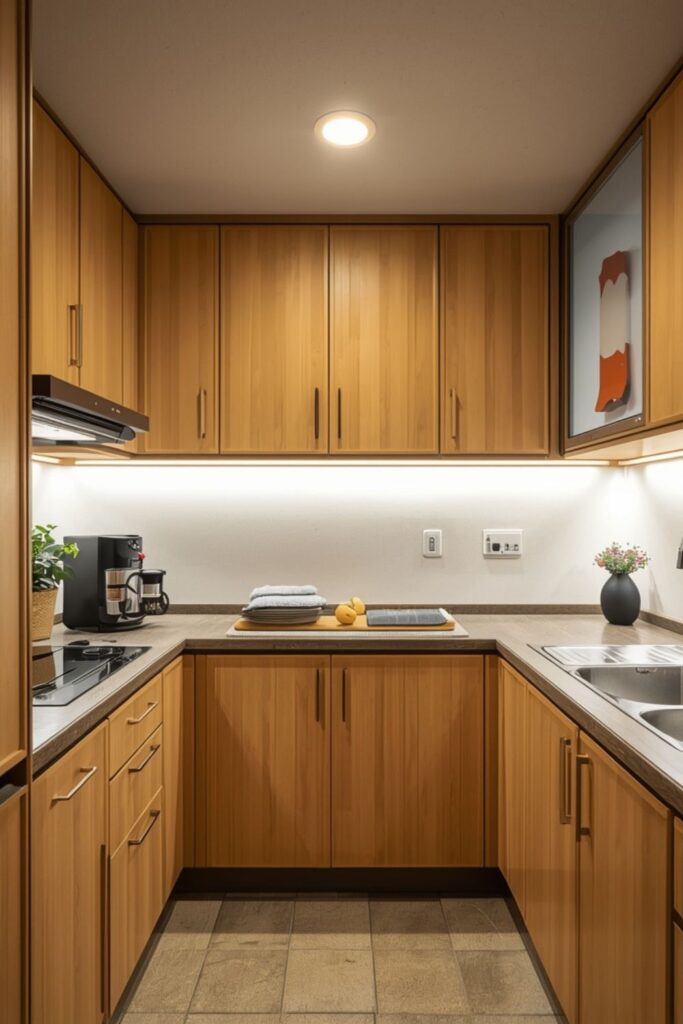
Lighting in Japanese Kitchen Layouts for Small Homes is practical and soothing. Instead of decorative fixtures, soft and even lighting supports daily tasks without drawing attention.
Under-cabinet lighting and gentle ceiling lights ensure the space feels welcoming at any hour. This lighting approach reinforces the calm atmosphere essential to small homes.
8. Layouts Designed for Long-Term Living
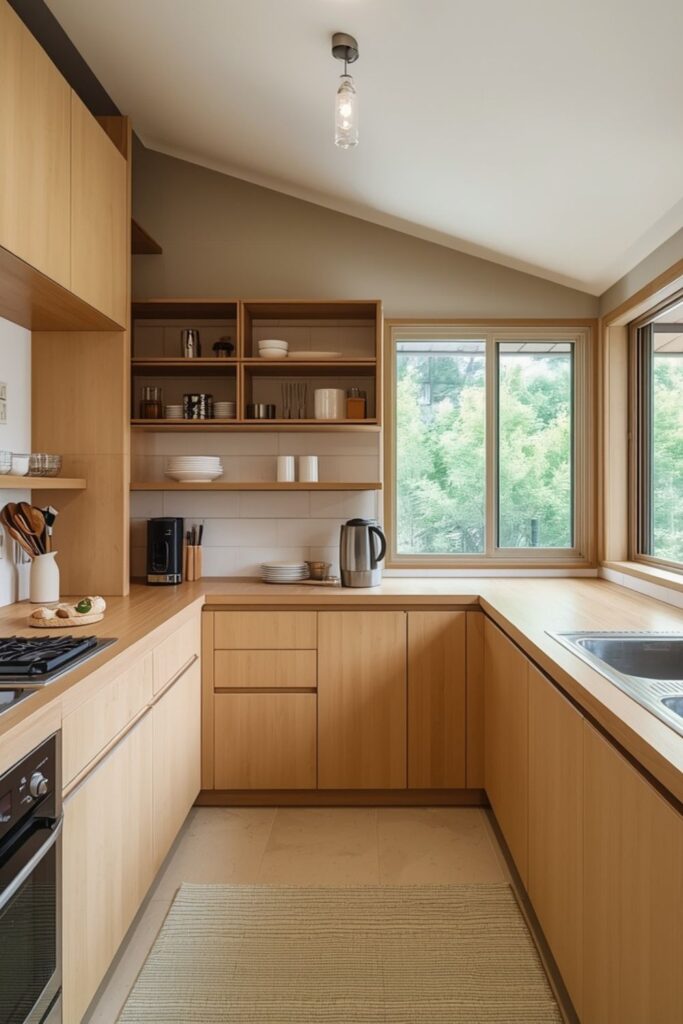
Perhaps the most valuable aspect of Japanese Kitchen Layouts for Small Homes modern design is longevity. These kitchens are not built around trends, but around real life.
As needs change, the layout continues to support daily routines without requiring constant updates. This quiet adaptability is what makes Japanese Kitchen Layouts for Small Homes so trusted and enduring.
FAQ: Japanese Kitchen Layouts for Small Homes
Q1. Are Japanese Kitchen Layouts suitable for very small apartments?
Yes. Japanese Kitchen Layouts for Small Homes are specifically designed to work within limited space while maintaining comfort and usability.
Q2. Do these layouts require special materials?
Not necessarily. The focus is on simplicity and proportion rather than expensive finishes. Many Japanese Kitchen Layouts for Small Homes designs use accessible materials thoughtfully.
Q3. Can these layouts work in modern homes?
Absolutely. Japanese Kitchen Layouts for Small Homes modern styles blend easily with contemporary interiors while retaining warmth.
Q4. How do these layouts help reduce clutter?
By prioritizing function and limiting excess storage, Japanese Kitchen Layouts for Small Homes naturally prevent visual and physical clutter.
Conclusion
Minimal Japanese Kitchen Layouts for Small Homes remind us that good design does not need to be loud. Through careful planning, subtle materials, and respect for space, these kitchens offer calm in places where it is most needed.
For small homes, this approach transforms the kitchen into a space that supports daily life quietly and gracefully. Japanese Kitchen Layouts for Small Homes prove that simplicity, when done well, is deeply comforting.
Explore More: 10 Space-Saving Japanese Kitchen Layout Ideas for Apartments