
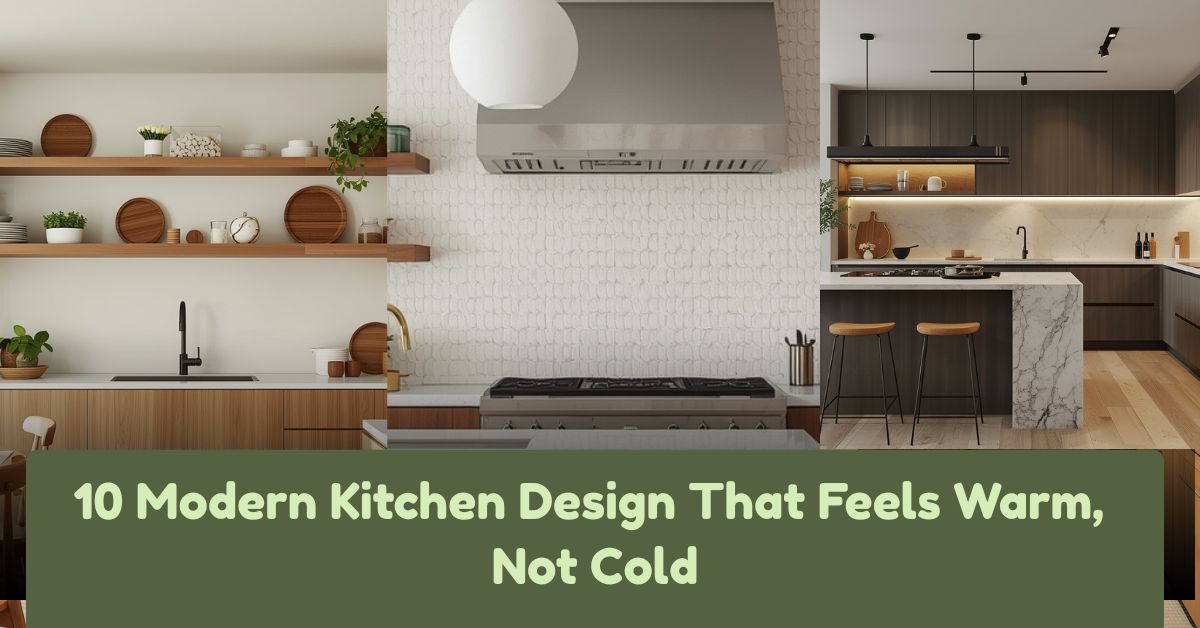
Modern kitchens have changed significantly over the last decade. In homes across the USA, Canada, the UK, Singapore, and Australia, people are no longer drawn to kitchens that feel sharp, glossy, or overly minimal. Instead, there is a growing preference for modern kitchen design that feels welcoming, balanced, and comfortable to live in every day. Warmth has become just as important as clean lines and efficiency.
Many homeowners search for modern kitchen design ideas because they want spaces that look contemporary without feeling sterile. The challenge lies in creating a kitchen that feels modern yet human, stylish yet grounded. This balance is achieved not through trends, but through thoughtful choices in materials, color, layout, and light.
This article explores modern kitchen design that feels warm rather than cold. It looks at how small decisions shape daily experience, offering design insight suited to both large family homes and compact urban kitchens across T1 regions.
10 Modern Kitchen Design That Feels Warm, Not Cold
Table of Contents
1. Warmth begins with material choices
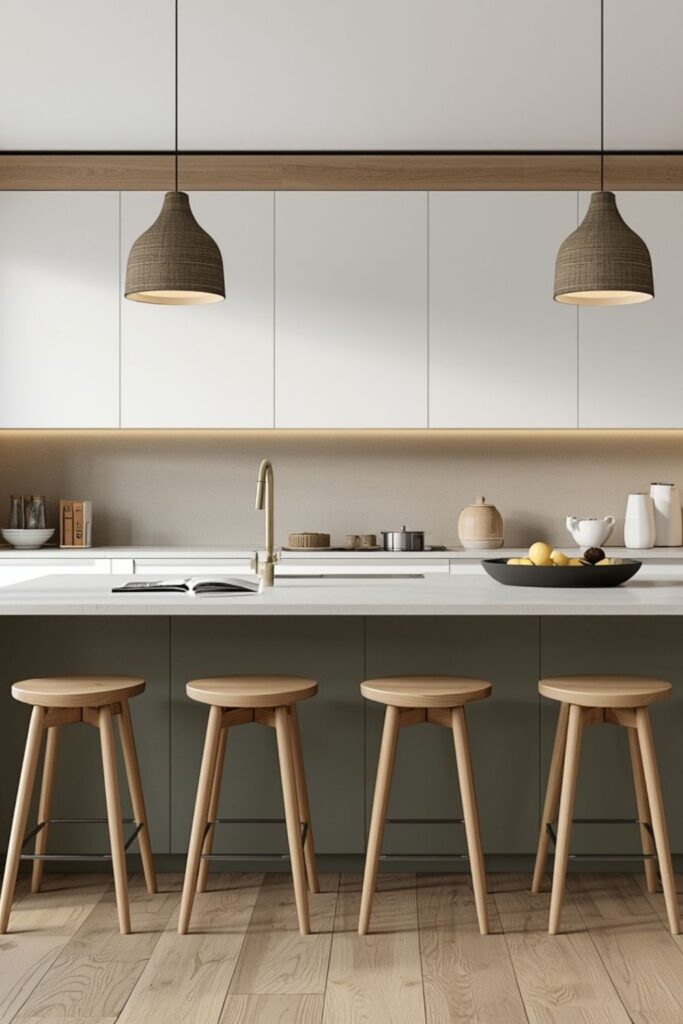
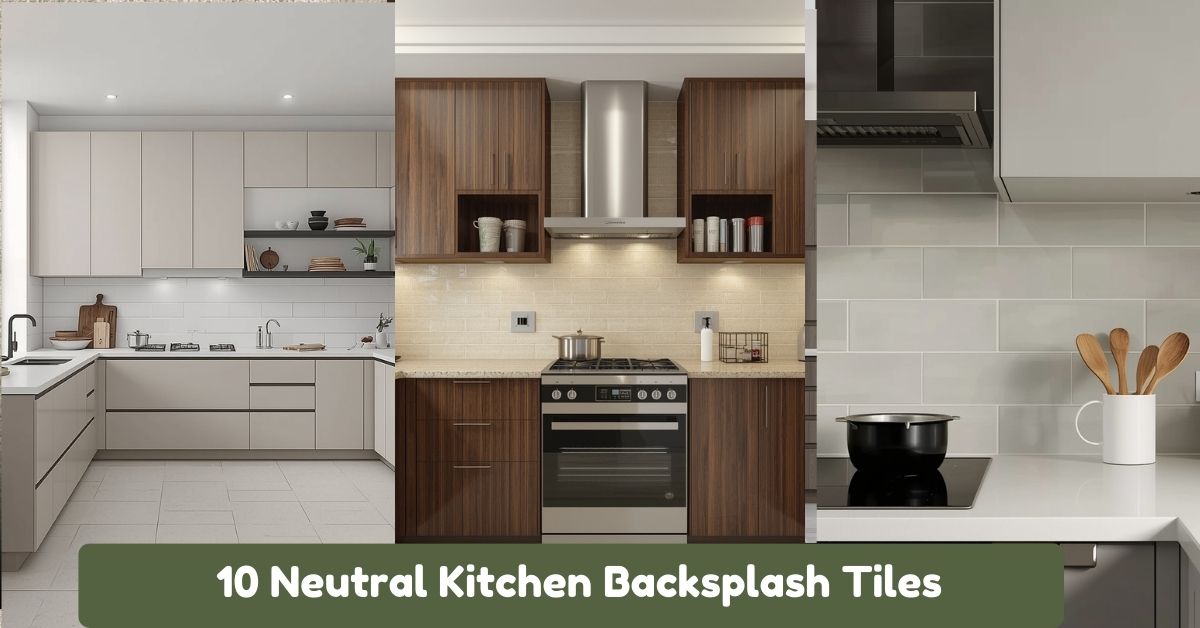
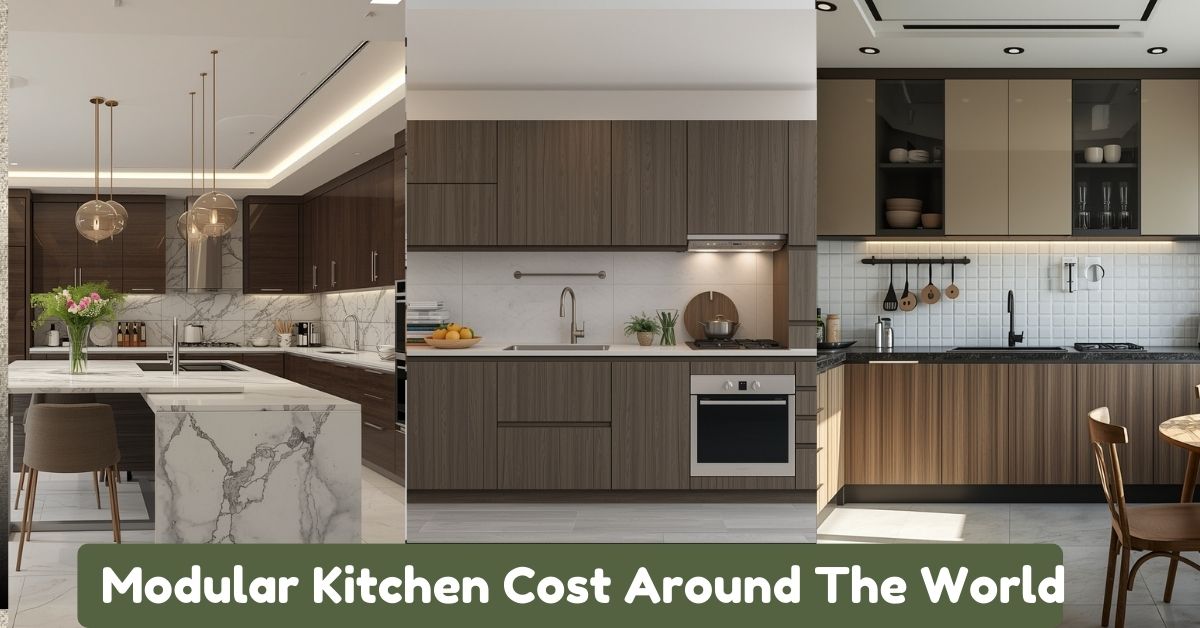
One of the most effective ways to soften modern kitchens is through materials. While modern kitchen design often emphasizes smooth finishes and clean surfaces, warmth emerges when these are balanced with natural textures. Wood cabinetry, stone countertops, and matte finishes reduce the sharpness often associated with contemporary kitchens.
Modern kitchen design ideas that feel inviting tend to avoid excessive gloss. Natural wood grains, soft-touch laminates, and lightly textured tiles create a tactile quality that makes kitchens feel approachable. These materials age well and develop character over time, which is why they remain popular across different climates and home styles in T1 countries.
2. Color plays a quiet but powerful role
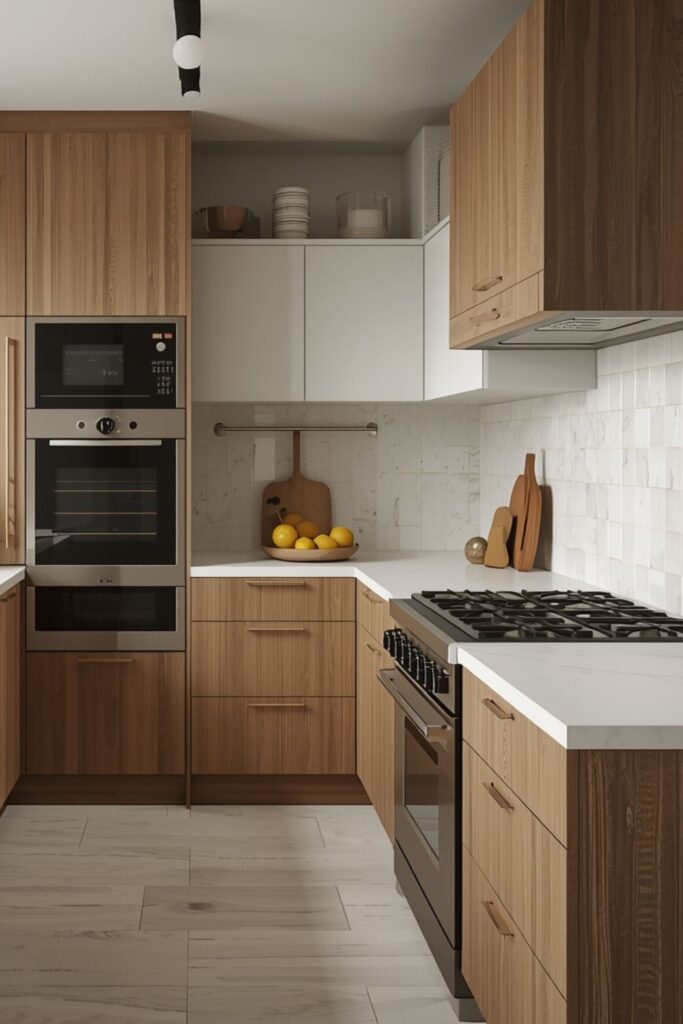
Color is one of the most underestimated elements in modern kitchen design and color selection. Kitchens that feel cold often rely heavily on stark whites, greys, or black without contrast. Warmth appears when these tones are softened with beige, muted greens, warm whites, or earthy neutrals.
Modern kitchen design ideas increasingly focus on layered color rather than single-tone schemes. Even small adjustments, such as warm-toned backsplashes or cabinetry accents, can shift the entire mood. These subtle palettes photograph beautifully, which is why modern kitchen design Pinterest searches frequently highlight kitchens that feel calm rather than dramatic.
3. Balancing clean lines with softness
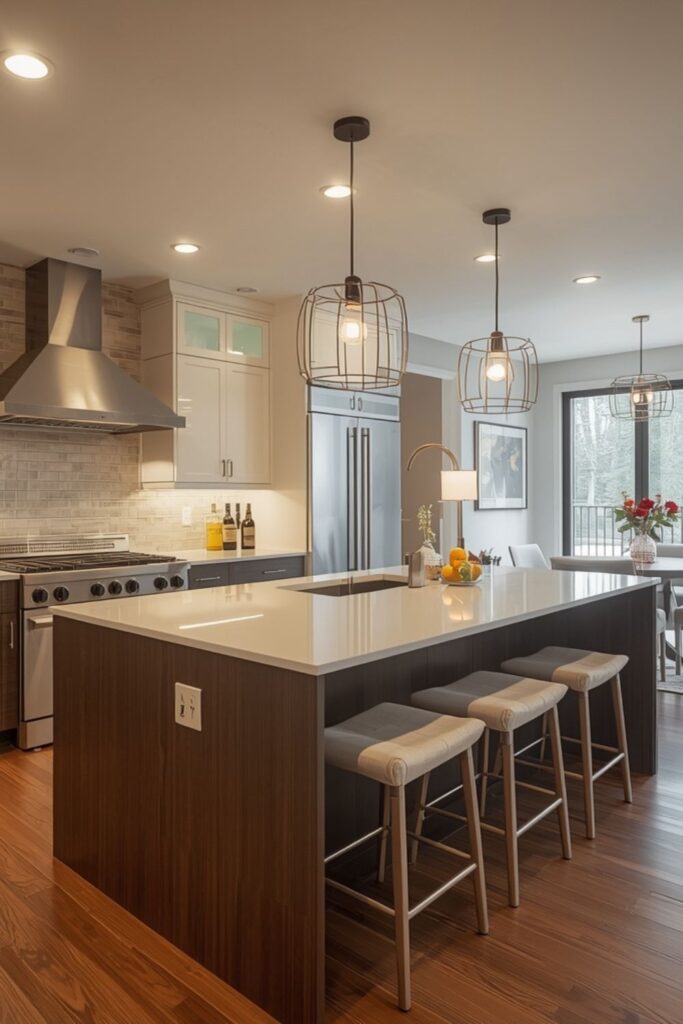
Clean lines remain central to modern kitchen design, but softness determines whether the space feels livable. Flat-panel cabinets, handle-less designs, and streamlined layouts feel warmer when paired with rounded edges, gentle lighting, or textured surfaces.
Modern kitchen design small spaces benefit especially from this balance. In compact kitchens, overly sharp lines can feel rigid, while softer details create comfort without adding clutter. The goal is clarity without severity, allowing the kitchen to feel modern while remaining visually relaxed.
4. Lighting that supports comfort, not contrast
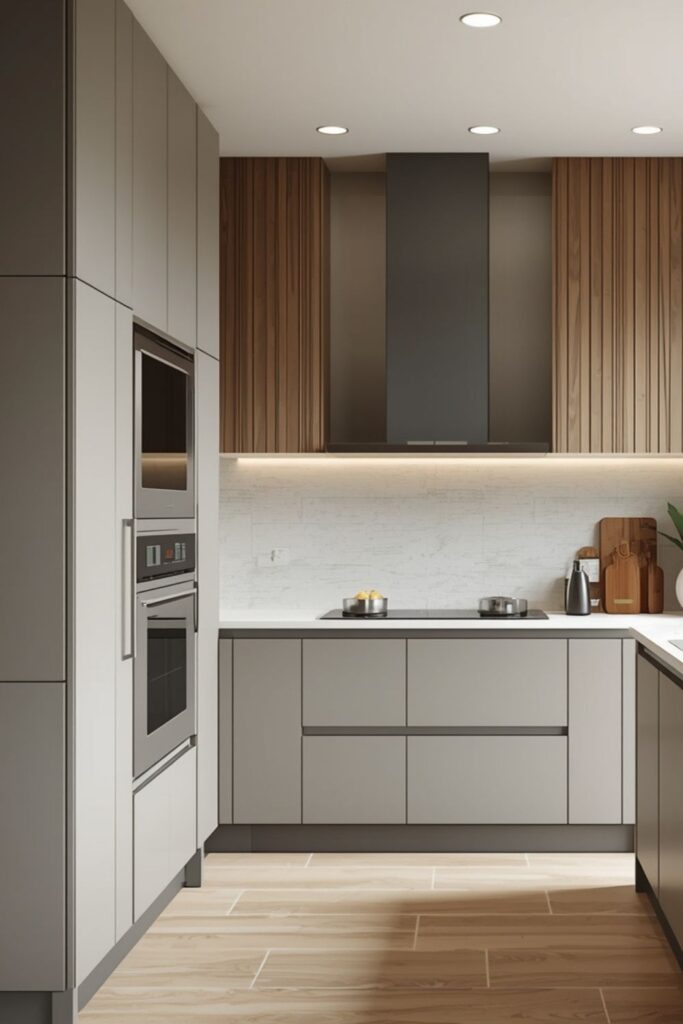
Lighting strongly influences how modern kitchens are experienced. Cold kitchens often rely on harsh overhead lighting that exaggerates shadows and surfaces. Warm kitchens use layered lighting to create a gentle glow that changes throughout the day.
Modern kitchen design ideas that feel warm integrate under-cabinet lighting, soft pendants, and warm temperature bulbs. This approach enhances textures and colors rather than flattening them. In T1 homes where kitchens are often used early in the morning and late in the evening, comfortable lighting supports daily rhythms rather than disrupting them.
5. Thoughtful layouts that support daily flow
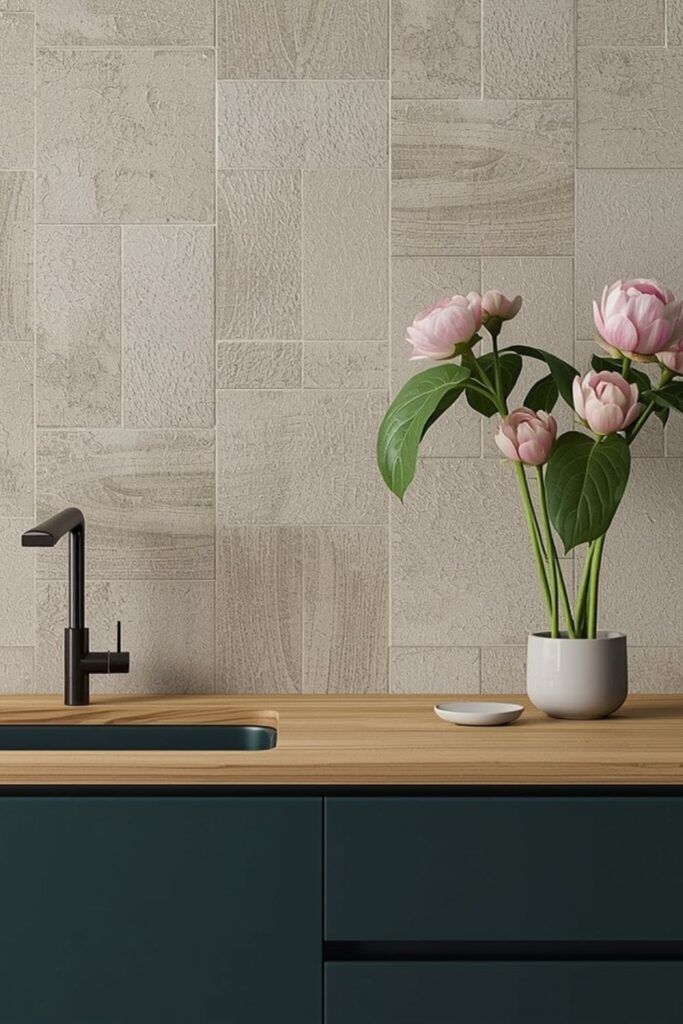
Layout decisions play a key role in warmth, especially in how the kitchen is used rather than how it looks. Modern kitchen design design I shape layouts, for example, work well in small apartments and open-plan homes because they feel open and efficient without unnecessary movement.
Warm kitchens prioritize ease. Work zones are clearly defined, circulation feels natural, and storage supports routine rather than forcing adaptation. When a kitchen functions smoothly, it feels calmer, which naturally adds warmth to the space regardless of size.
6. Tiles that add texture without noise
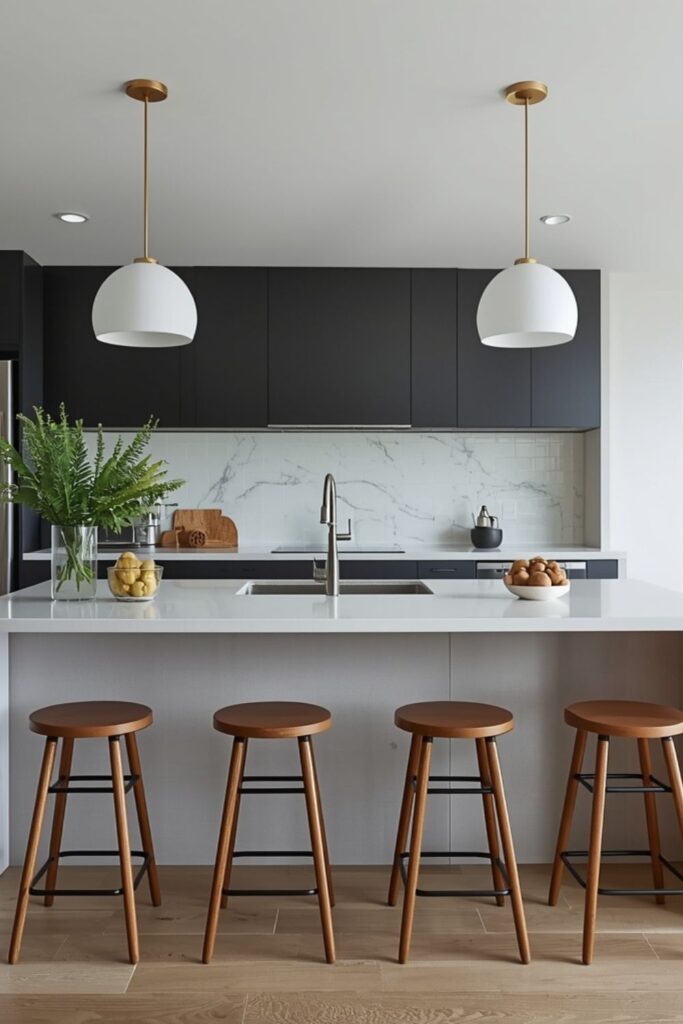
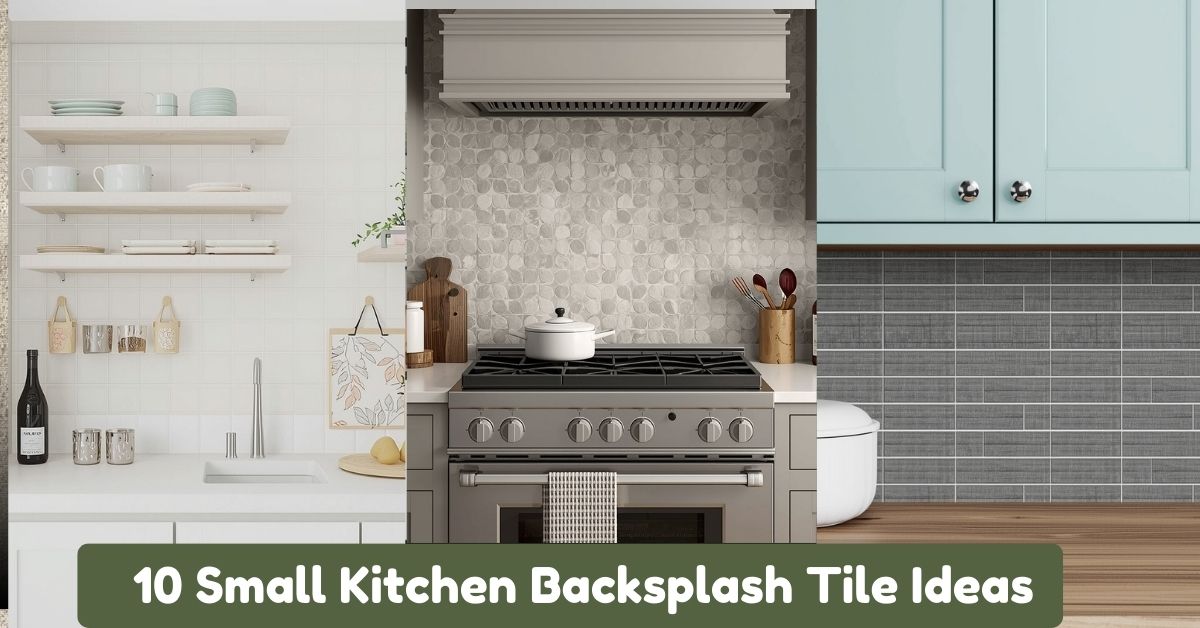
Tiles are often where modern kitchens become visually loud. However, modern kitchen design design tiles that feel warm rely on texture rather than pattern. Subtle stone looks, handmade ceramics, or matte finishes introduce depth without overwhelming the room.
These tiles reflect light softly and add visual interest that changes throughout the day. Modern kitchen design 2025 trends already show a shift toward tactile tile surfaces that feel natural and grounded. This direction continues into modern kitchen design ideas 2026, where warmth is created through material honesty rather than decoration.
7. Storage that keeps the kitchen visually calm
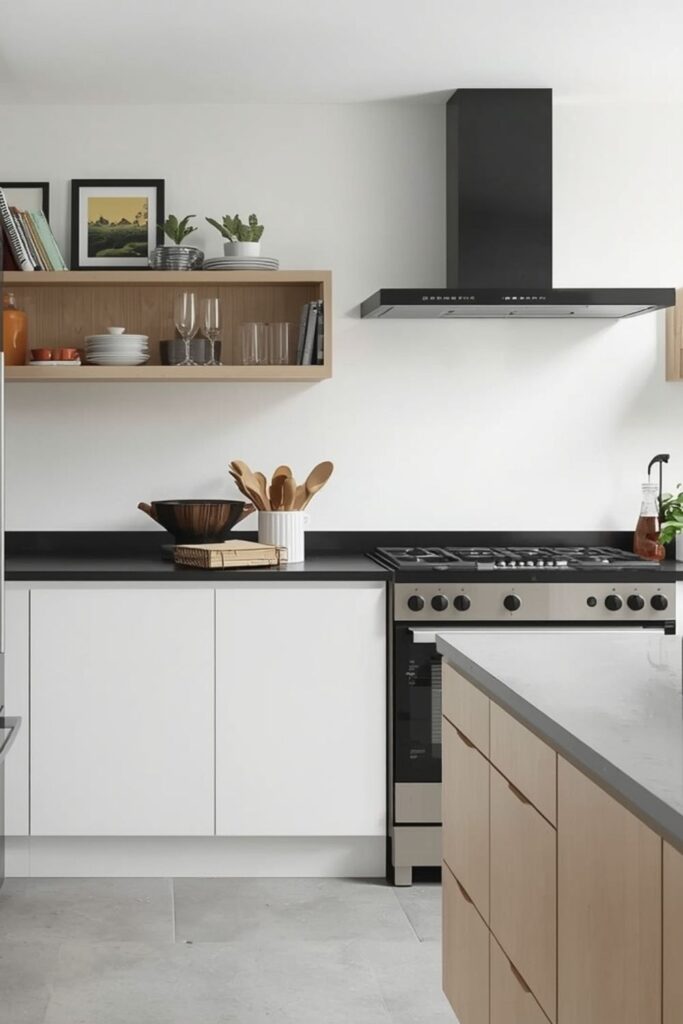
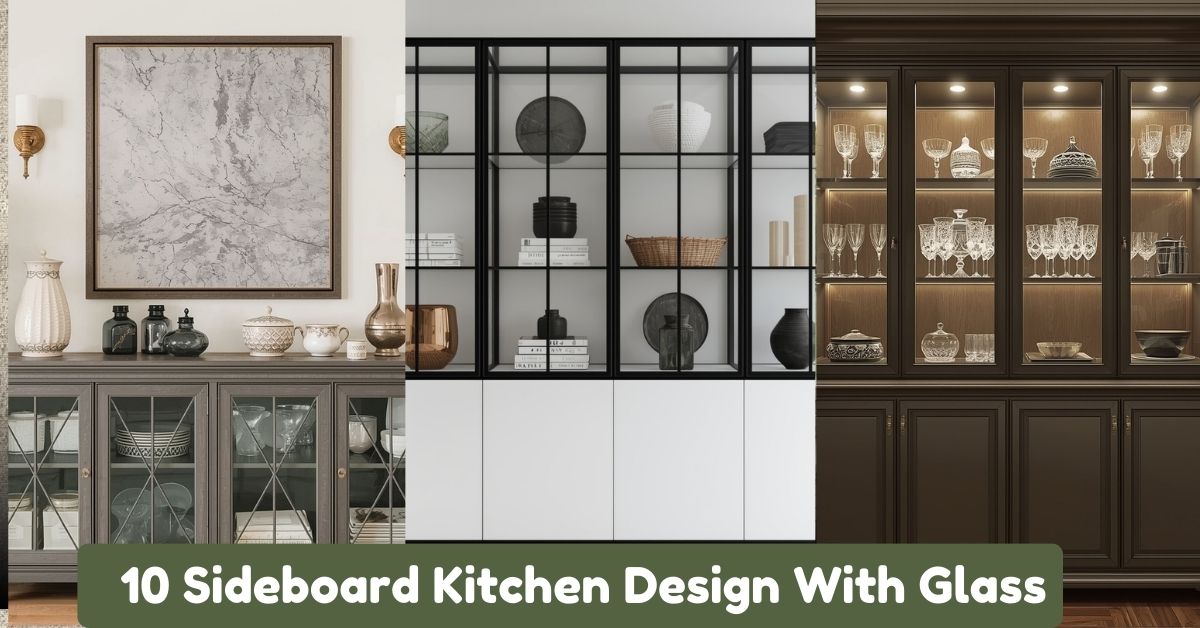
Clutter is one of the fastest ways a modern kitchen loses warmth. Kitchens that feel welcoming often hide visual noise through thoughtful storage while allowing select elements to remain visible. Closed cabinetry combined with minimal open shelving creates balance.
Modern kitchen design ideas emphasize storage that supports daily use without dominating the visual landscape. When counters remain clear and objects have defined places, the kitchen feels settled and calm. This sense of order contributes more to warmth than any single decorative choice.
8. Designing warmth into small modern kitchens
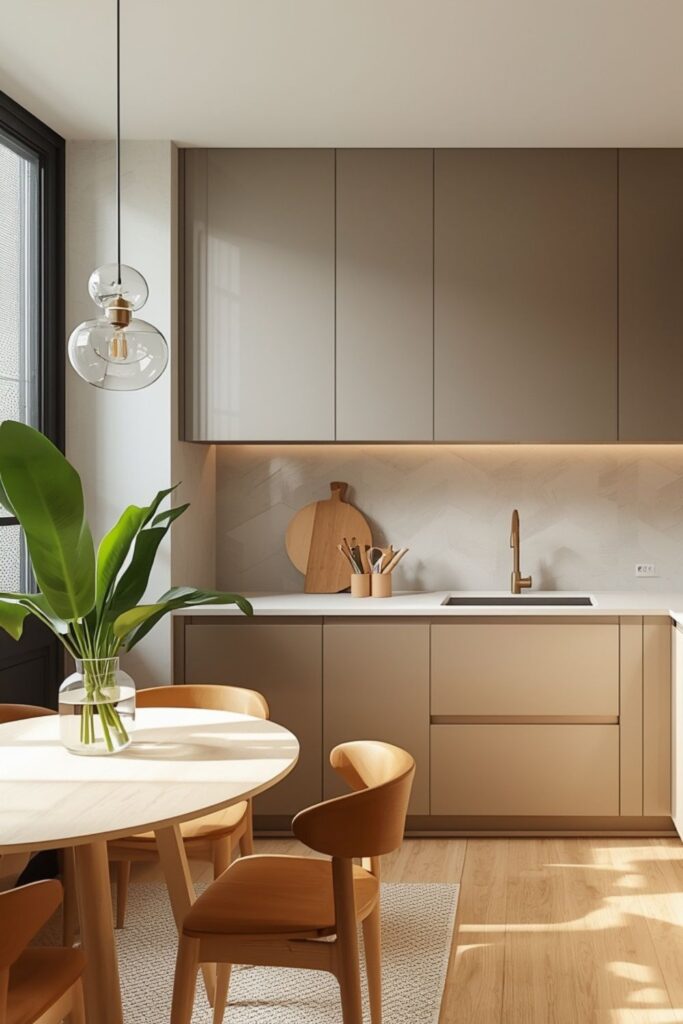
Small kitchens require special attention because every surface matters. Modern kitchen design small spaces feel warmer when simplicity is paired with softness. Light-reflective materials, warm color tones, and uncluttered layouts help compact kitchens feel comfortable rather than constrained.
In many T1 urban homes, small kitchens are part of larger living spaces. When designed thoughtfully, they blend naturally into the surrounding environment, maintaining visual continuity and avoiding the cold, separate feel that older kitchen designs often had.
9. Looking ahead to modern kitchen design in 2025 and 2026
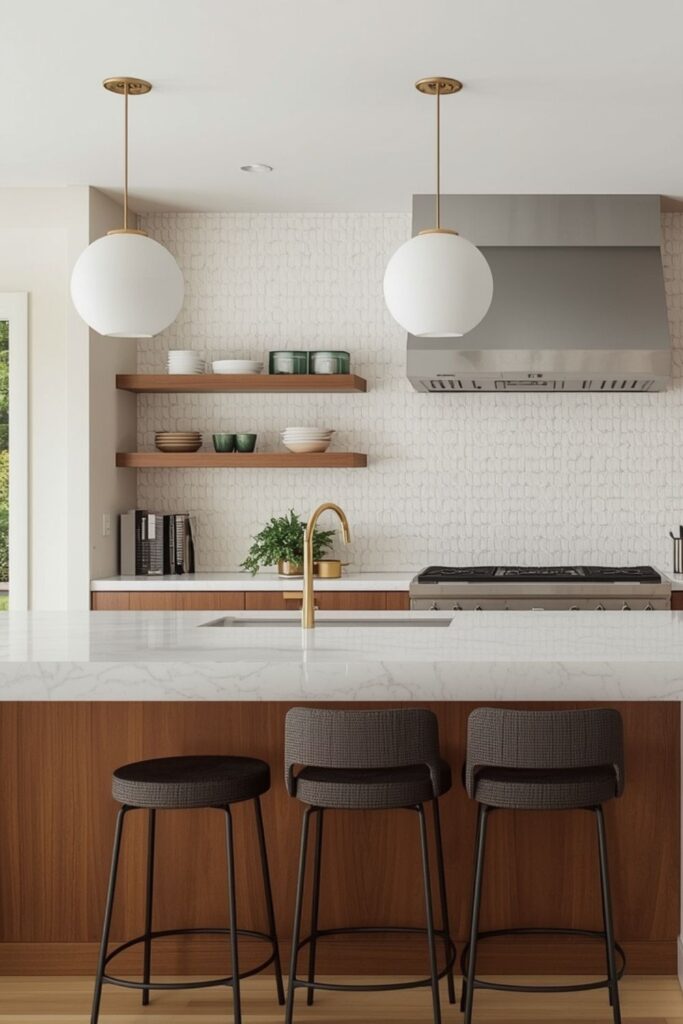
Modern kitchen design 2025 reflects a clear move toward comfort-driven minimalism. Glossy finishes are giving way to matte surfaces, and pure white kitchens are being softened with layered neutrals. This evolution continues into modern kitchen design design ideas 2026, where warmth, tactility, and longevity are prioritized.
Future-focused kitchens aim to feel timeless rather than trendy. Materials, colors, and layouts are chosen for how they support everyday living, not just visual impact. This shift ensures modern kitchens remain relevant and welcoming for years to come.
10. Why warmth matters more than trends
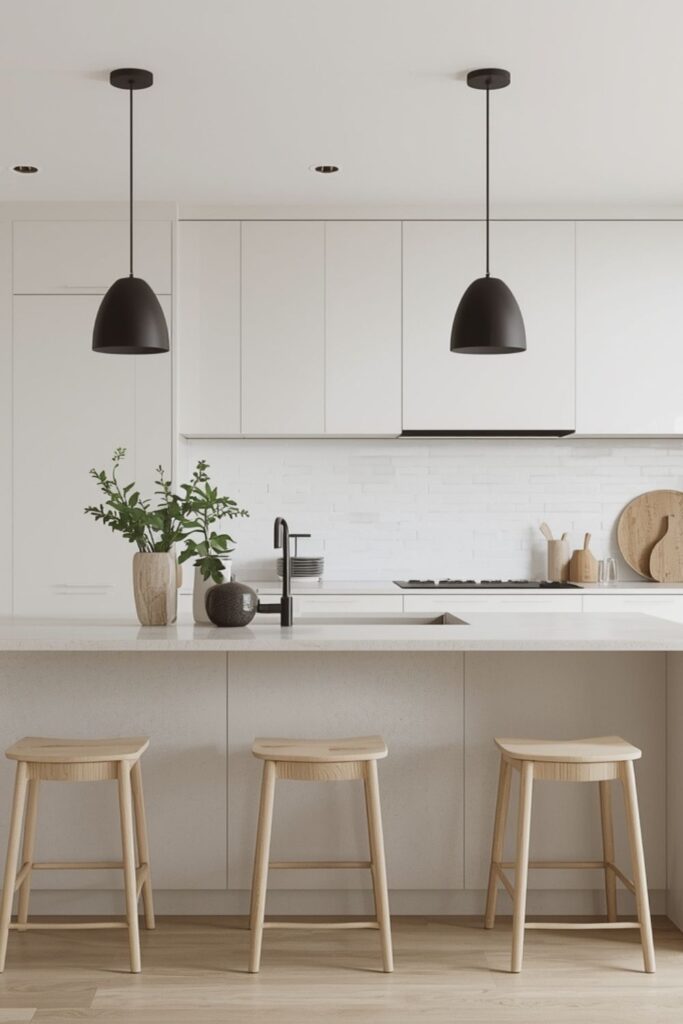
Modern kitchen design design pictures that resonate most often show kitchens that feel lived in rather than staged. Warmth allows kitchens to adapt to changing lives, tastes, and routines. It supports comfort without sacrificing clarity or style.
A warm modern kitchen does not compete for attention. Instead, it quietly supports daily life, becoming a space people naturally return to. This balance is what makes modern kitchen design feel truly successful across cultures and regions.
FAQ: Modern Kitchen Design That Feels Warm, Not Cold
Q1. What makes a modern kitchen feel cold?
Modern kitchens often feel cold when they rely too heavily on glossy finishes, stark white surfaces, and strong contrast lighting. When materials lack texture and color palettes remain flat, the space can feel sharp rather than welcoming. Warmth emerges when modern design is softened with natural materials, layered tones, and gentle lighting.
Q2. How can warmth be added to a modern kitchen without changing the layout?
Warmth can be introduced through surface choices and lighting rather than structural changes. Wood finishes, matte tiles, warm-toned backsplashes, and softer lighting temperatures significantly change how a kitchen feels. Even small adjustments in modern kitchen design and color selection can shift the atmosphere.
Q3. Are warm modern kitchens suitable for small spaces?
Yes, modern kitchen design small spaces often benefit the most from warmth-focused choices. Light materials, warm neutrals, and uncluttered layouts help compact kitchens feel comfortable rather than confined. Thoughtful storage and lighting play an important role in maintaining openness while adding comfort.
Q4. What colors work best for warm modern kitchens?
Warm modern kitchens typically use layered neutrals such as soft beige, warm white, muted green, or gentle grey with warm undertones. These colors support modern kitchen design ideas without creating harsh contrast, allowing the space to feel calm and balanced.
Q5. Are warm modern kitchen designs still trendy for 2025 and 2026?
Yes, modern kitchen design 2025 and emerging modern kitchen design ideas 2026 both reflect a shift toward comfort, texture, and natural materials. Matte finishes, subtle tile textures, and warmer color palettes are becoming more common as homeowners prioritize long-term livability over bold trends.
Q6. How do tiles influence warmth in modern kitchens?
Modern kitchen design design tiles contribute significantly to atmosphere. Tiles with soft texture, natural finishes, or handmade qualities reflect light gently and add depth without visual noise. These qualities help modern kitchens feel warm while maintaining clean, contemporary lines.
Conclusion
Modern kitchen design that feels warm, not cold, is rooted in thoughtful restraint and human-centered choices. Through materials, color, layout, and light, kitchens can remain modern while offering comfort and ease.
In T1 homes where kitchens play a central role in daily living, warmth ensures longevity. When modern kitchens feel calm and grounded, they support everyday routines and create spaces that remain inviting long after trends fade.
Explore More: 10 Modern Kitchen Backsplash Ideas for Calm, Stylish T1 Homes




1 thought on “10 Modern Kitchen Design That Feels Warm, Not Cold”