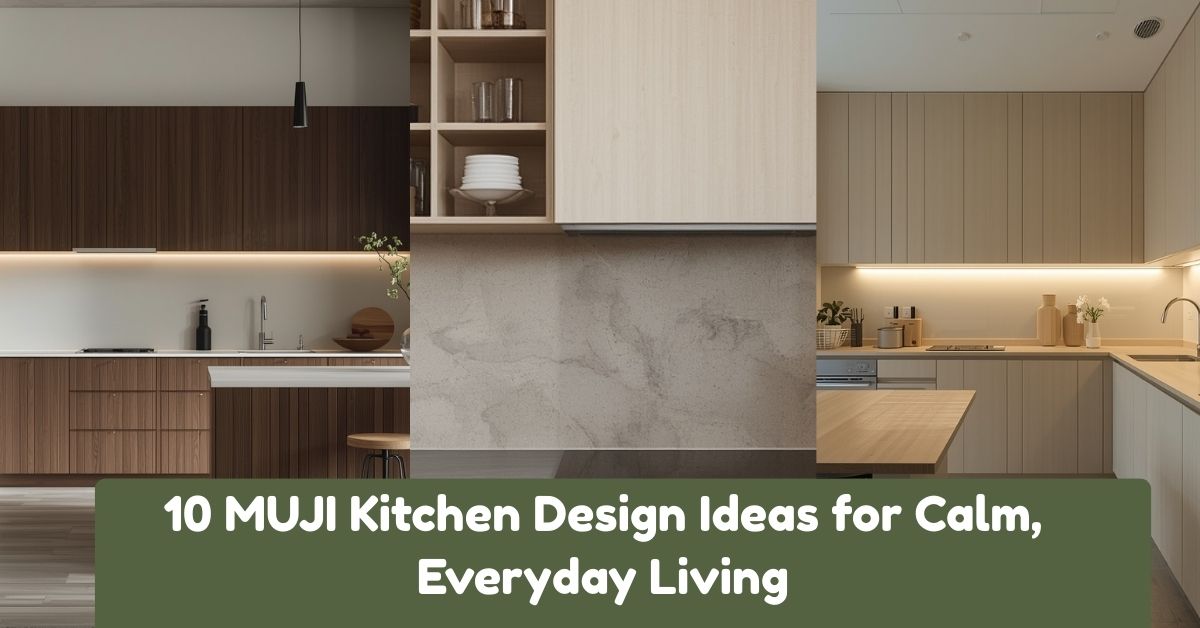
The appeal of MUJI kitchen design comes from its ability to make everyday life feel lighter and more intentional. In many modern homes across T1 countries, kitchens are no longer treated as purely functional spaces or visual statements. Instead, they are becoming quiet backdrops for daily routines, shared meals, and slow moments that bring comfort rather than stimulation. MUJI-style kitchens respond to this shift by focusing on simplicity that feels human, warm, and deeply practical.
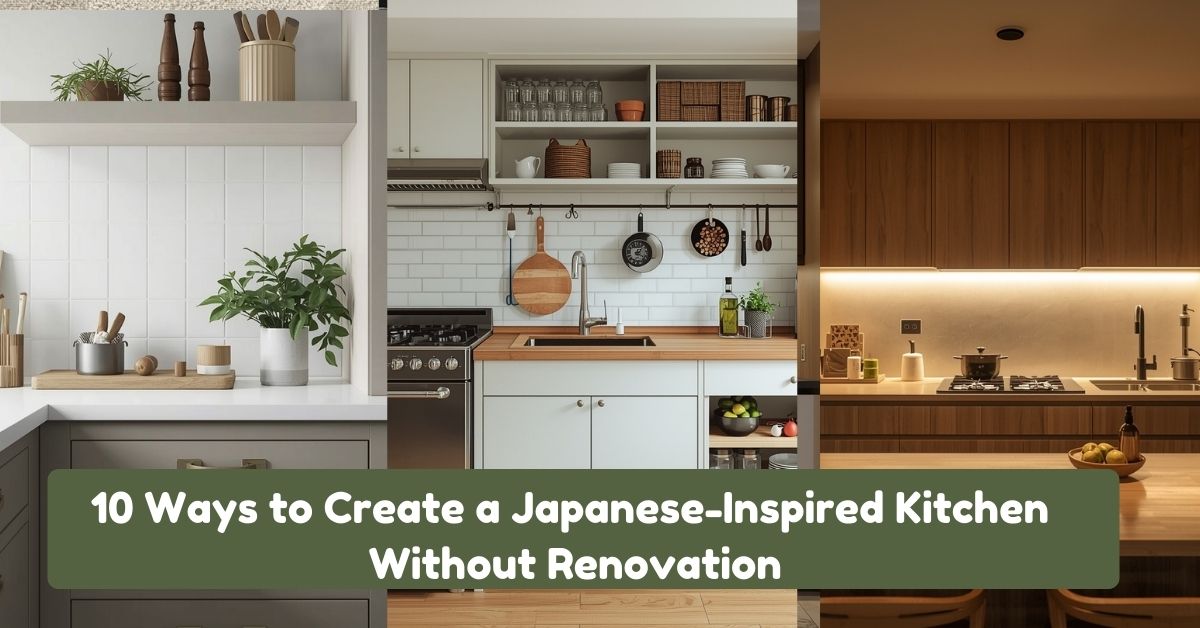
Rooted in Japanese design philosophy, MUJI kitchen interior design values usefulness over decoration and calm over excess. Natural materials, soft neutral tones, and uncluttered layouts help create kitchens that feel grounded and easy to live with. Nothing feels rushed or overly styled. Every cabinet, shelf, and storage solution exists for a clear reason, supporting how people actually cook, store, and move through the space.
This approach is especially meaningful in smaller homes and urban apartments, where visual noise can quickly become overwhelming. A well-planned MUJI kitchen interior allows even compact spaces to feel open and breathable. In this article, we explore 10 MUJI kitchen design ideas that reflect modern living while staying true to quiet simplicity, thoughtful storage, and timeless comfort.
10 MUJI Kitchen Design Ideas for Calm, Everyday Living
Table of Contents
1. Natural Wood Cabinets as the Foundation
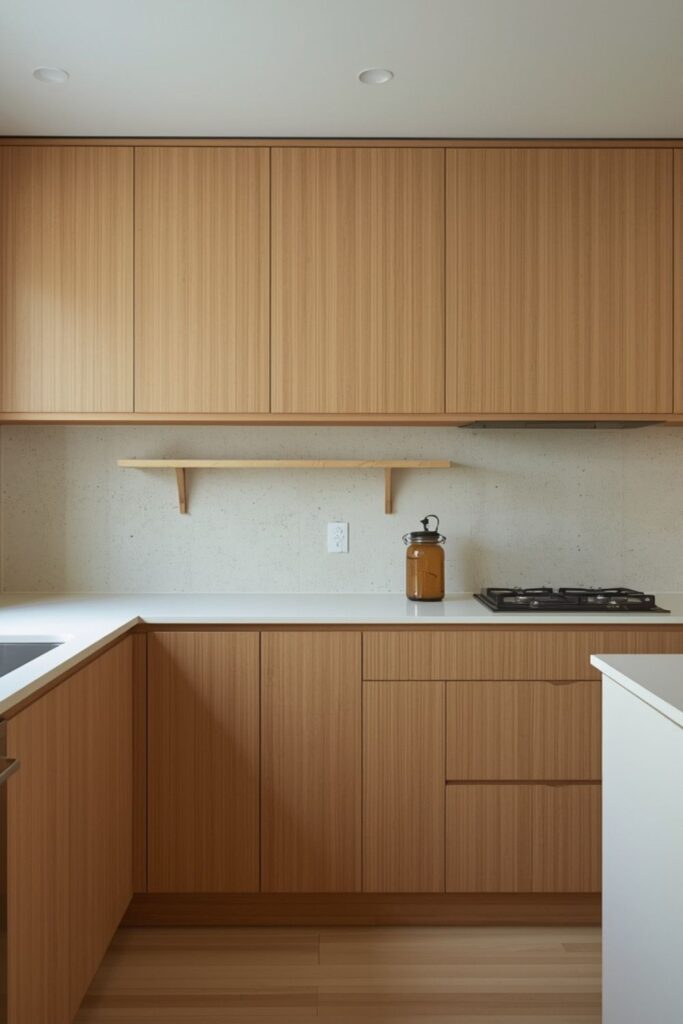
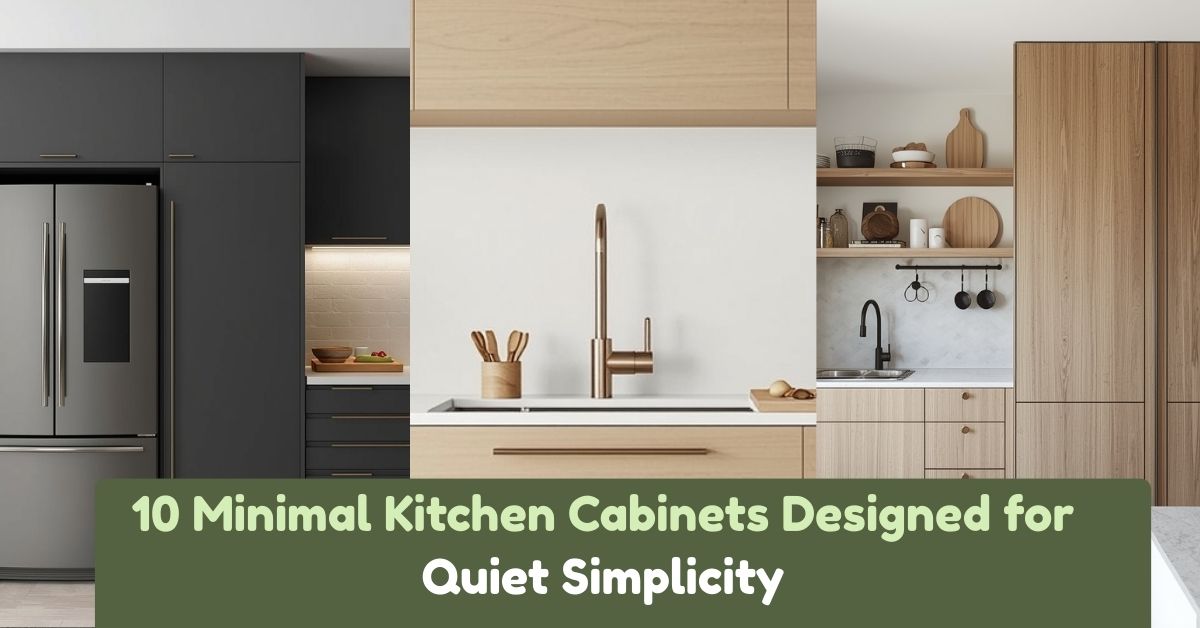
At the heart of MUJI kitchen design is natural wood. Light oak, ash, or birch cabinets bring warmth without visual heaviness. MUJI kitchen cabinet design avoids glossy finishes or bold grains, instead choosing subtle textures that age gracefully.
These cabinets work well in both large and small MUJI kitchen design layouts because they soften the room and connect the kitchen to the rest of the home. Wood surfaces feel honest and familiar, creating a sense of comfort that supports everyday use rather than visual drama.
2. Simple Cabinet Forms with Clean Lines
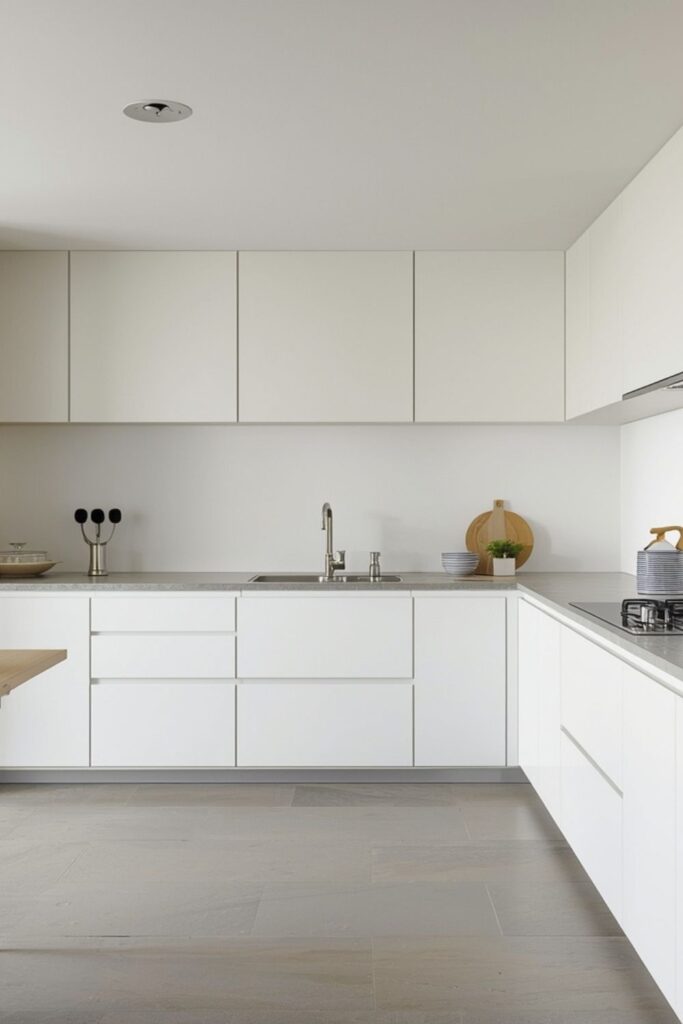
MUJI kitchen interior design relies on uncomplicated cabinet forms. Flat or gently framed doors without ornamentation allow the kitchen to feel orderly and calm. This simplicity helps the eye rest, especially in compact kitchens where too many details can feel overwhelming.
Simple MUJI kitchen design focuses on proportion and alignment. When cabinet lines are consistent, the kitchen feels balanced and intentional. This approach works beautifully in modern MUJI kitchen design, where minimal structure creates quiet sophistication.
3. Open Shelving Used with Restraint
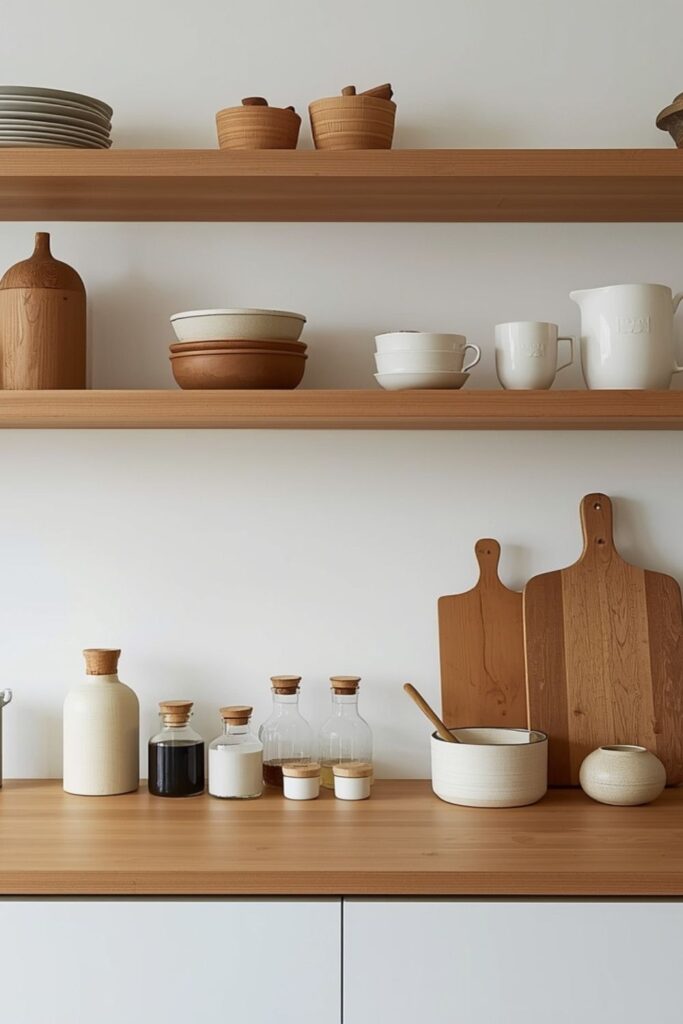
Open shelving is a familiar feature in MUJI kitchen interior, but it is used thoughtfully. Instead of filling shelves completely, MUJI-style kitchens leave space around everyday items, allowing air and light to move freely.
This approach supports calm living by encouraging mindful organisation. In small MUJI kitchen design layouts, open shelves prevent the space from feeling boxed in. Carefully chosen ceramics, glassware, and MUJI kitchen storage containers become part of the visual rhythm without creating clutter.
4. Neutral Color Palettes That Feel Soft
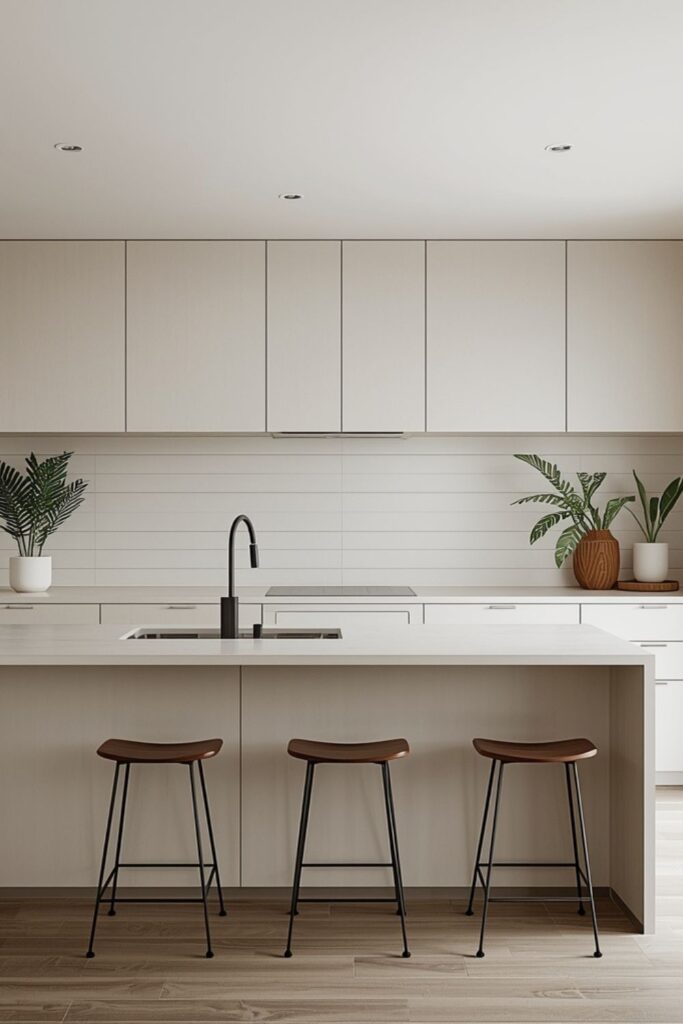
Color in MUJI kitchen design is never dominant. Soft whites, warm greys, muted beige, and gentle stone tones create a backdrop that feels restful. These shades reflect light naturally, making kitchens feel open even in small spaces.
Neutral palettes also allow flexibility over time. As lifestyles change, the kitchen remains adaptable. This is why modern MUJI kitchen design avoids trend-driven colors in favor of tones that support long-term comfort.
5. Functional MUJI Kitchen Storage Solutions
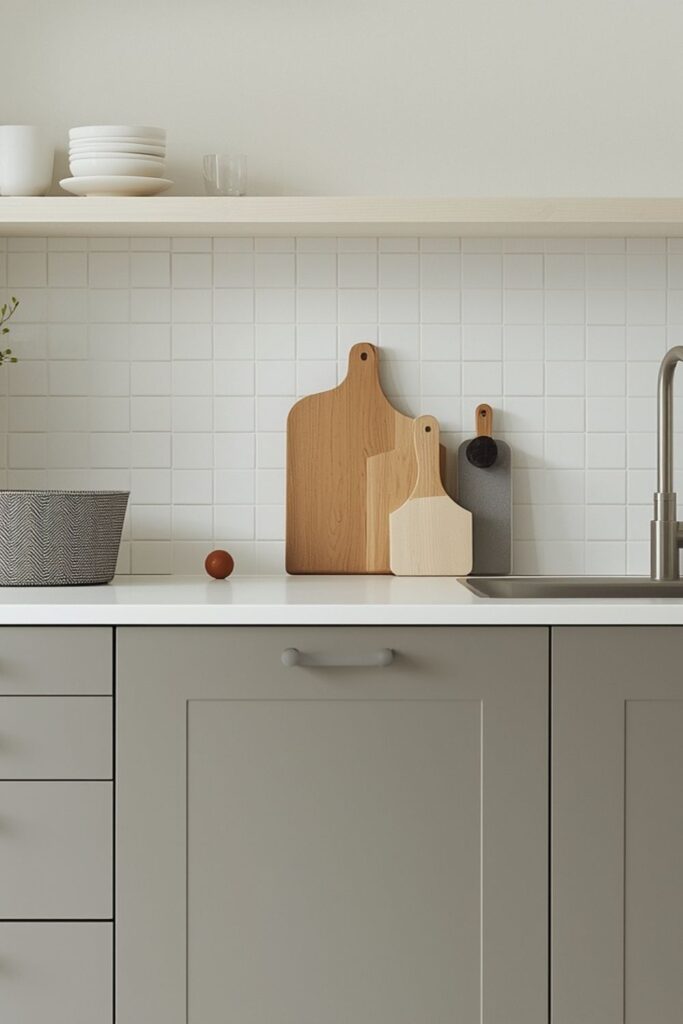
Storage in MUJI kitchens is designed to serve real life. MUJI kitchen storage focuses on accessibility, modularity, and ease of use. Drawers are shallow enough to see contents clearly, while cabinets are sized to match daily habits.
This thoughtful approach reduces frustration and visual noise. In small MUJI kitchen design, efficient storage ensures that countertops stay clear, reinforcing the calm, uncluttered environment that defines MUJI style interior design.
6. Minimal Hardware That Feels Almost Invisible
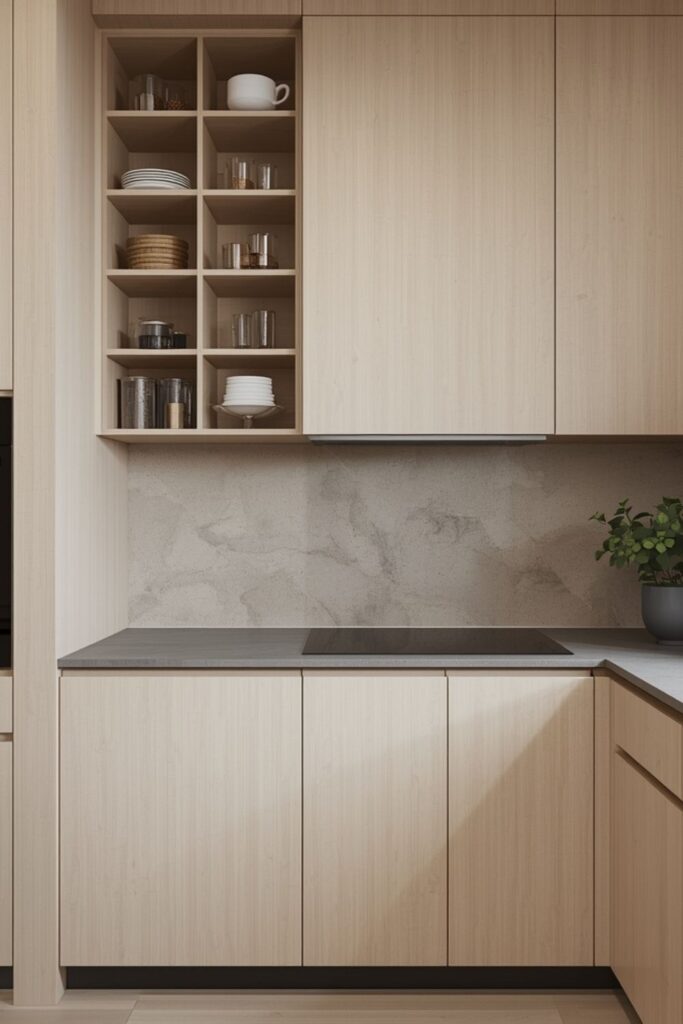
In MUJI kitchen design, hardware is never meant to draw attention. Handles, knobs, and pulls are either completely integrated or designed to visually disappear into the cabinetry. This approach keeps surfaces uninterrupted and allows the kitchen to feel visually lighter, which is especially important in small MUJI kitchen design layouts where every detail matters.
When hardware is visible, it is usually slim, softly rounded, and finished in muted tones such as brushed steel, light grey, or natural wood. These choices align with the broader philosophy of MUJI kitchen cabinet design, where function is present but never emphasized. The result is a kitchen that feels calm and cohesive, supporting daily movement without visual distraction. Minimal hardware also contributes to a timeless look, ensuring the kitchen remains relevant and comfortable over many years of use.
7. Compact Layouts Designed for Small Homes
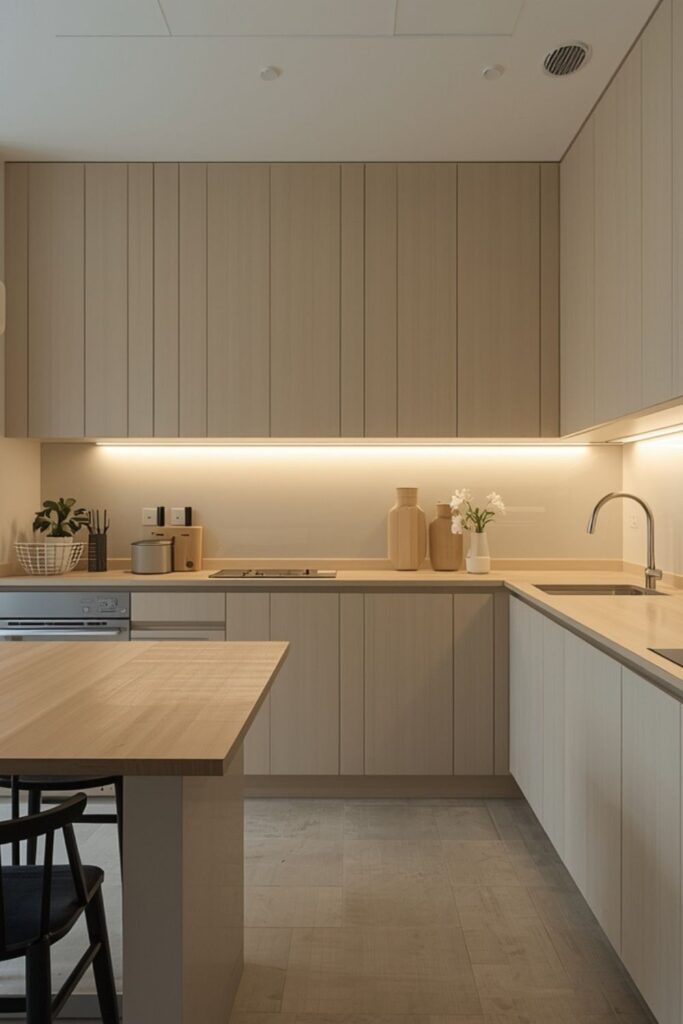
Small MUJI kitchen design shows how thoughtful planning can transform limited space into something calm and efficient. Rather than forcing extra cabinets or decorative elements into the layout, MUJI kitchens prioritise flow, balance, and clarity. Work zones are kept close and logical, reducing unnecessary movement while cooking or cleaning.
This approach works particularly well in apartments and urban homes, where kitchens often share space with dining or living areas. By keeping layouts compact and visually simple, MUJI kitchen interior design allows the kitchen to blend naturally into the home. Clear pathways, restrained storage, and uncluttered surfaces help small kitchens feel open and breathable, proving that simplicity is not about less functionality, but about better organisation.
8. Soft Lighting That Supports Daily Rhythm
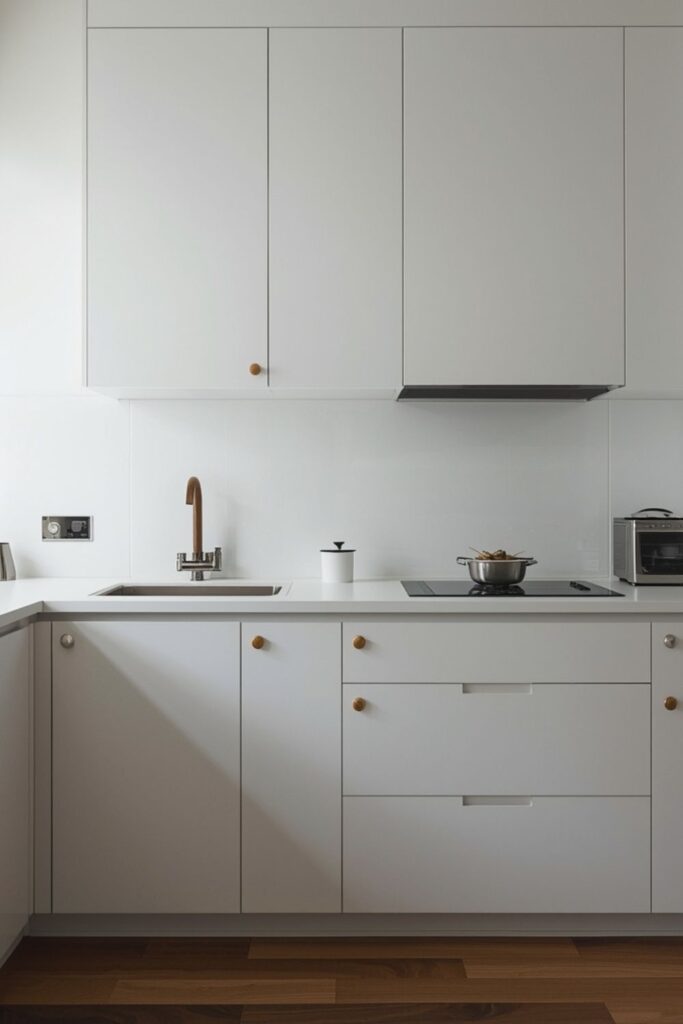
Lighting in MUJI kitchen interior design is chosen to support mood as much as function. Instead of harsh overhead lights, MUJI kitchens rely on warm, diffused lighting that feels gentle throughout the day. This creates an environment that feels welcoming during early mornings and calming in the evening.
Under-cabinet lighting is often concealed, providing practical illumination for cooking while maintaining a clean visual appearance. Pendant lights, if used, are simple in form and neutral in tone, contributing to the overall softness of the space. In modern MUJI kitchen design, lighting is not a feature to be noticed, but a quiet element that enhances comfort, visibility, and emotional ease.
9. Seamless Connection with Living and Dining Areas
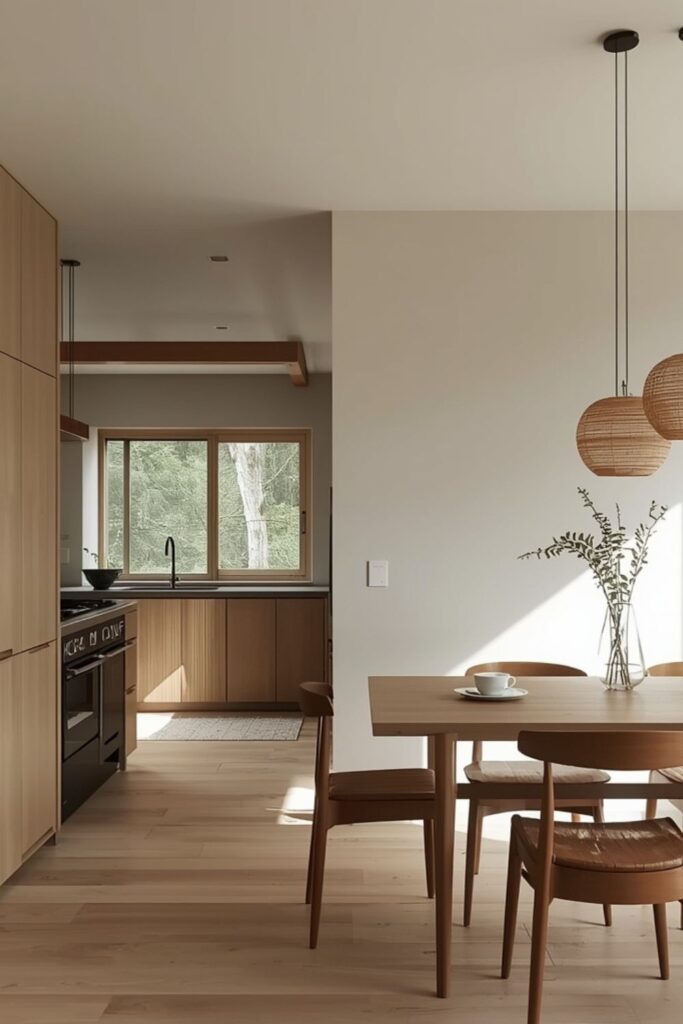
MUJI kitchens are designed as part of a wider living environment rather than as isolated rooms. When connected to a MUJI style living room or dining area, materials and colors flow naturally from one space to the next. This continuity helps open-plan homes feel cohesive and balanced.
Cabinet finishes, flooring, and storage styles are often repeated across spaces, reinforcing visual harmony. In MUJI kitchen interior, this seamless connection supports modern lifestyles where cooking, working, and relaxing happen close together. The kitchen becomes a calm extension of daily life rather than a visually dominant zone, encouraging relaxed interaction and shared moments.
10. Timeless Design That Encourages Mindful Living
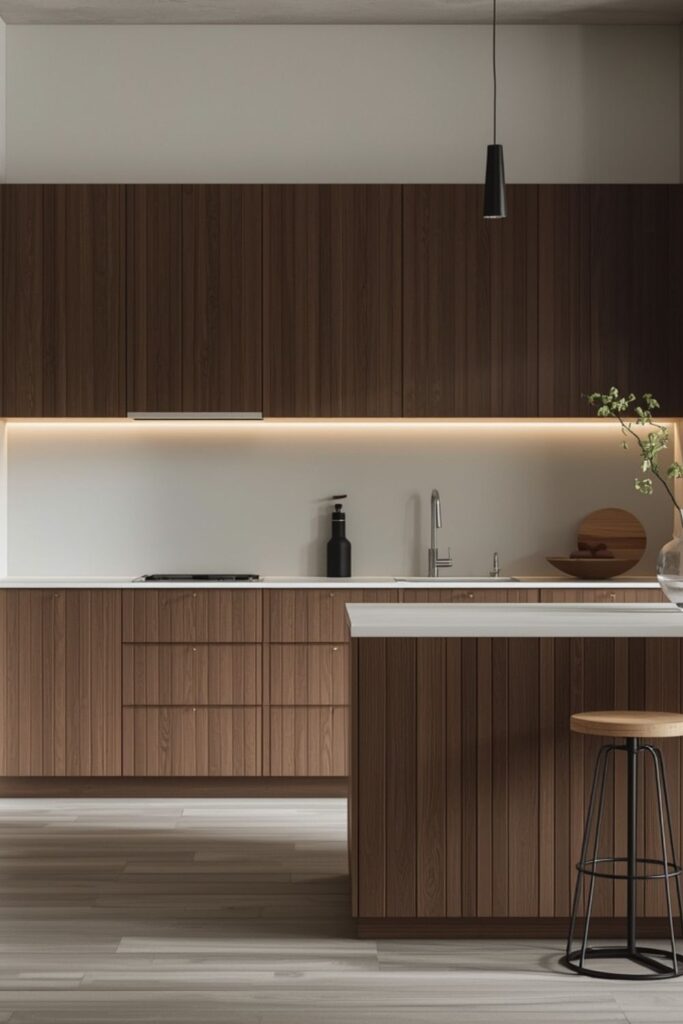
The essence of 10 MUJI kitchen design lies in its ability to remain relevant beyond trends. Rather than following seasonal styles, MUJI kitchens focus on proportion, material honesty, and practical longevity. This results in spaces that feel familiar and comforting even as years pass.
Timeless MUJI kitchen cabinet design supports mindful living by reducing visual clutter and unnecessary choice. When the environment is calm, daily tasks feel lighter and more intentional. Whether in a small MUJI kitchen design or a larger home, this quiet simplicity encourages people to slow down, engage with their space, and appreciate the everyday routines that happen there.
Conclusion
MUJI kitchen design offers a calm alternative to overstated modern kitchens. Through simplicity, natural materials, and thoughtful storage, it creates spaces that support everyday life without distraction. Whether in a small apartment or a larger home, MUJI kitchen interior design prioritizes ease, balance, and emotional comfort.
By embracing restraint and clarity, MUJI-style kitchens remind us that good design does not need to be loud. It simply needs to work well and feel right.
Explore More: 10 Thoughtful Kitchen Trends Designers Are Embracing for 2026