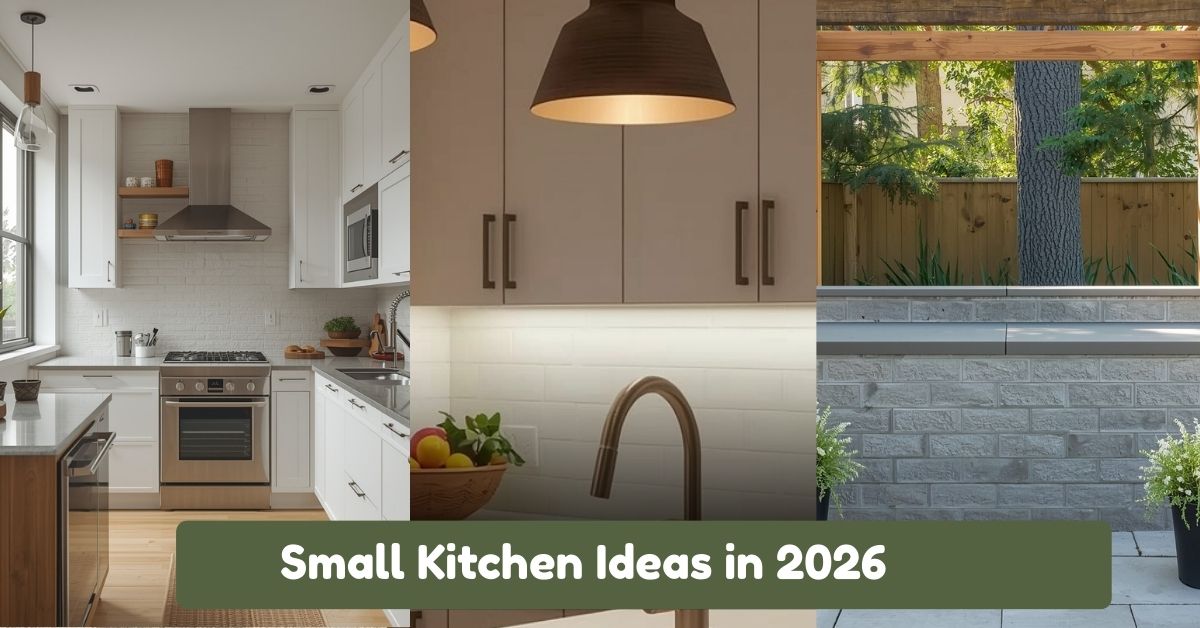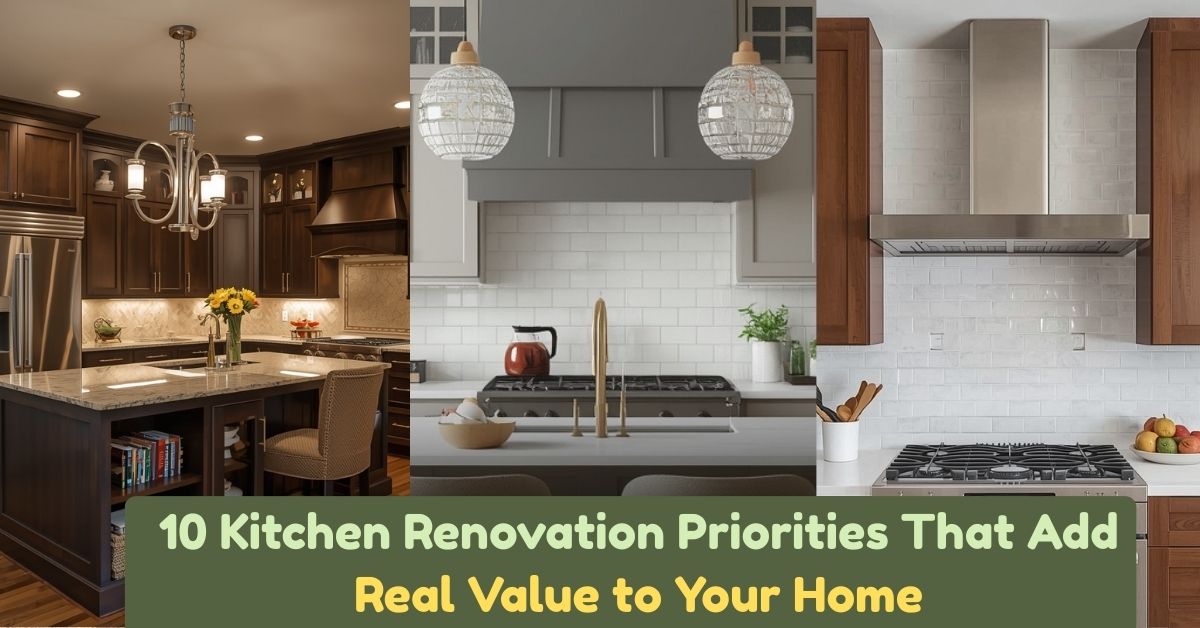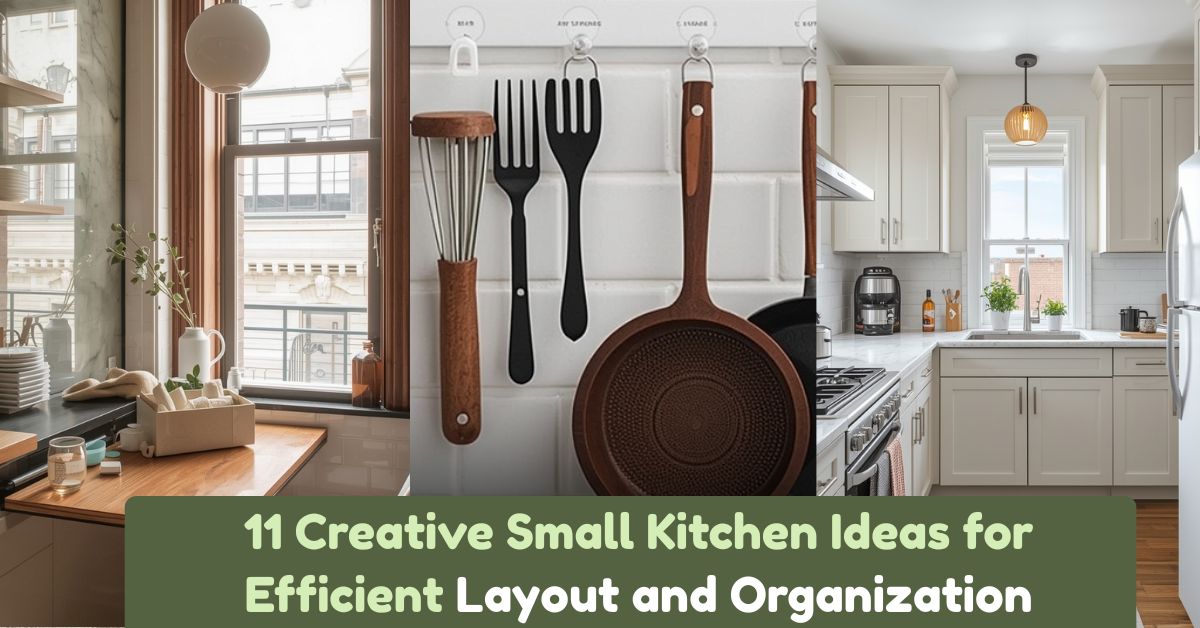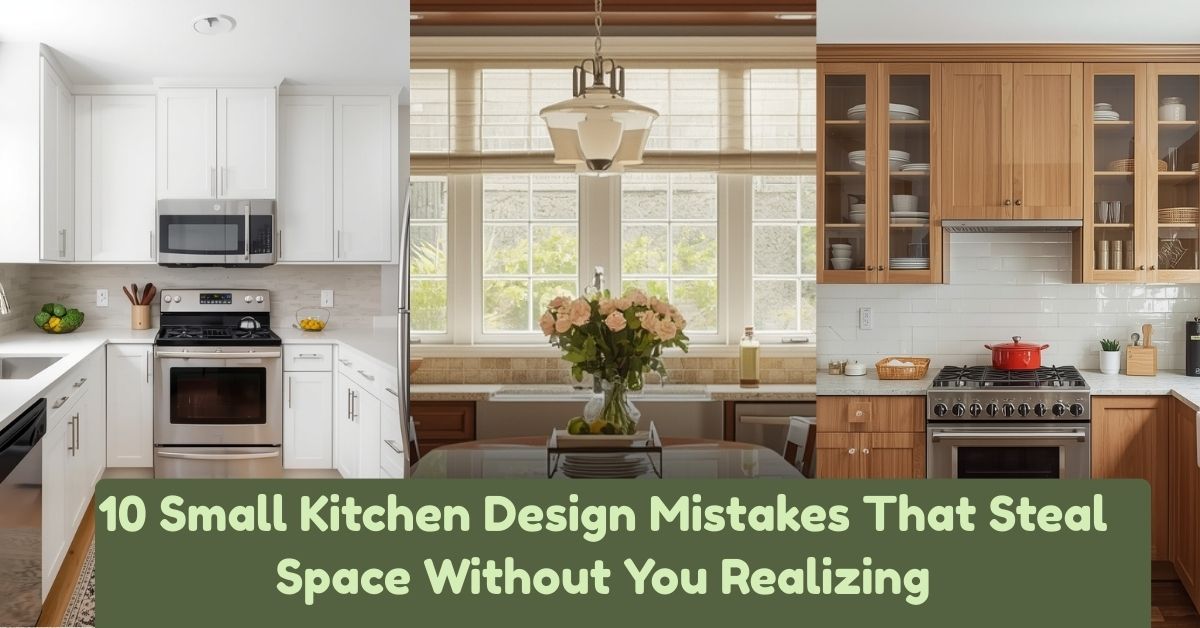
Designing a small kitchen is not just about fitting everything into a limited area — it’s about making the space work visually, functionally, and emotionally. Many homeowners invest in new cabinets, appliances, and finishes, yet their kitchen still feels tight and uncomfortable. In most cases, the problem isn’t the size of the kitchen, but the design decisions made along the way.
What makes small kitchen design tricky is that even minor mistakes can have a big impact. Poor layouts, outdated rules, and overlooked details quietly steal space without you realizing it. In this article, we break down 10 small kitchen design mistakes that designers see again and again — and explain why avoiding them can instantly make your kitchen feel more open, modern, and usable.
10 Small Kitchen Design Mistakes That Steal Space Without You Realizing
Table of Contents
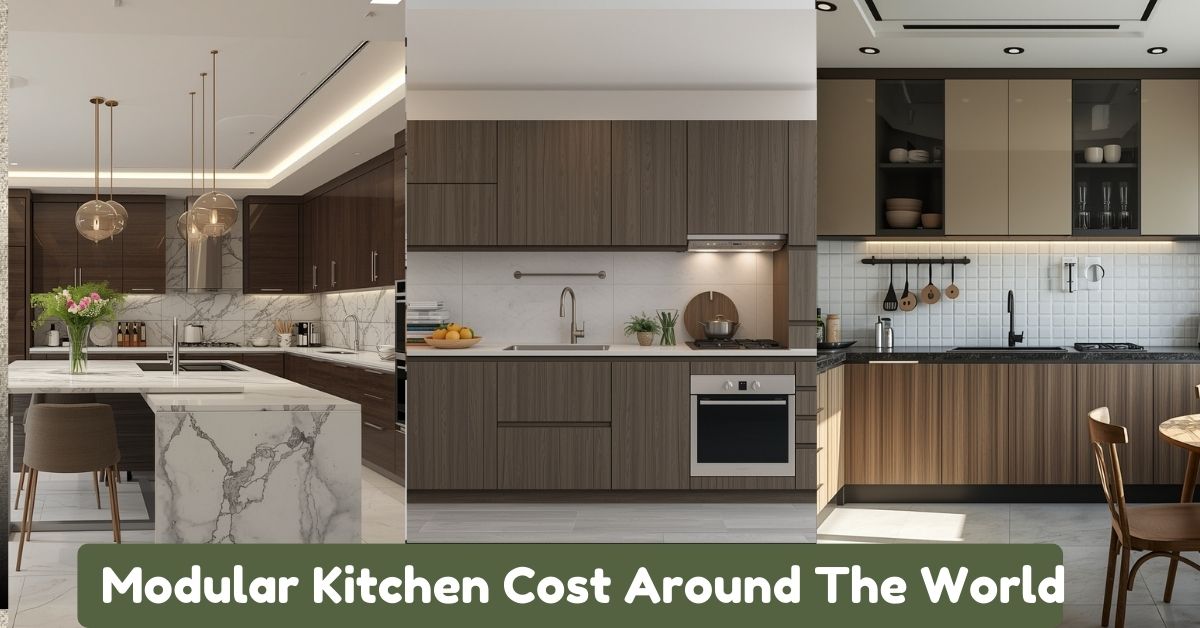
1. Choosing Dark Cabinet Colors in a Tight Space
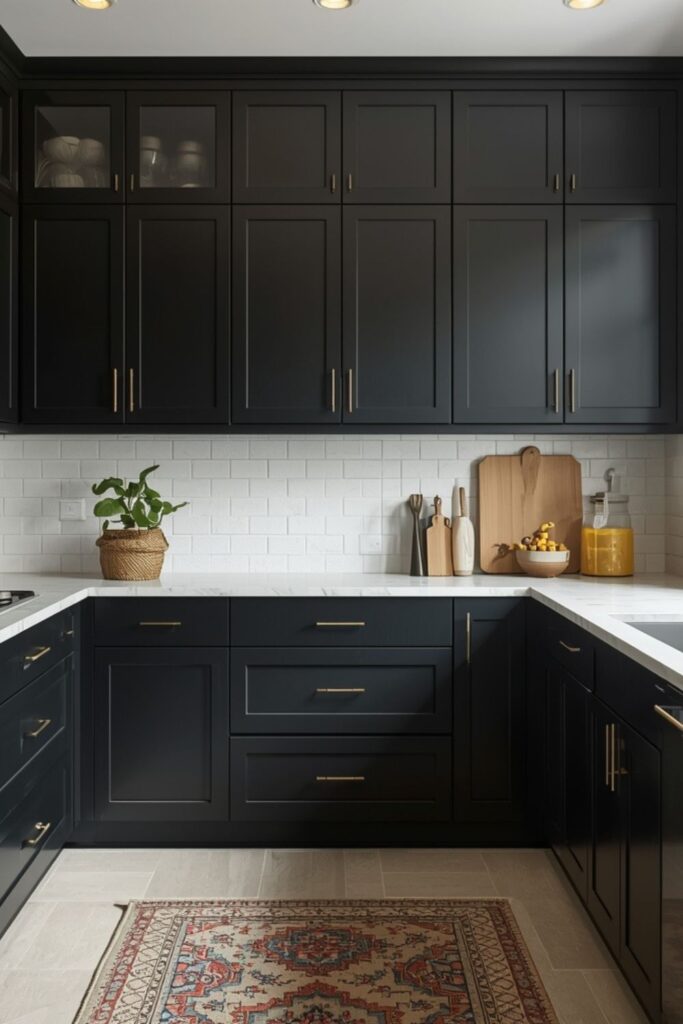
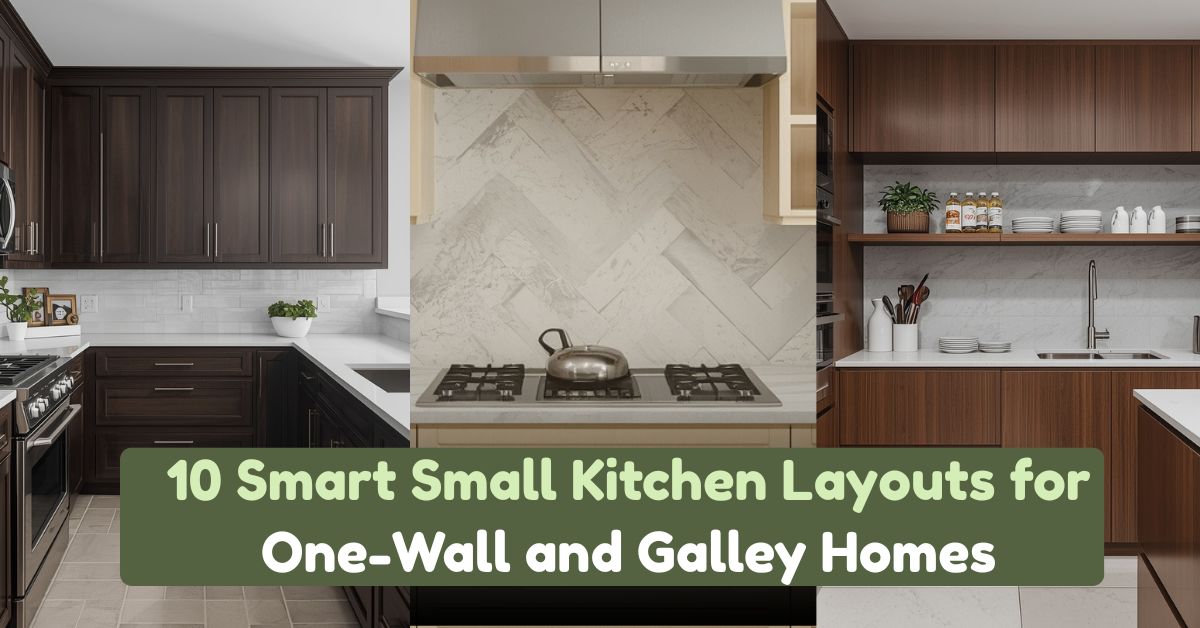
Dark cabinets may look elegant in large kitchens, but in small spaces they often absorb light instead of reflecting it. This creates a boxed-in feeling, especially when natural light is limited. The result is a kitchen that feels heavier and visually smaller than it actually is.
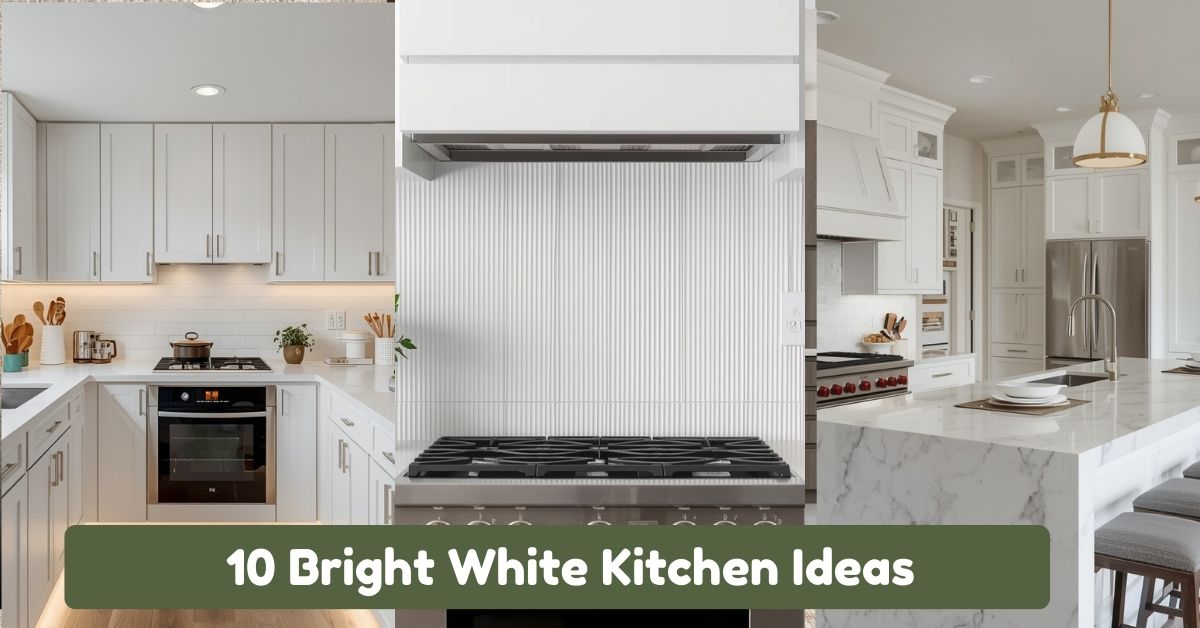
Lighter tones such as soft whites, warm beiges, or muted pastels help bounce light around the room. Even in T1 countries where minimalist trends dominate, designers now prefer lighter cabinetry with subtle texture to keep small kitchens feeling open and breathable.
2. Ignoring Vertical Storage Potential
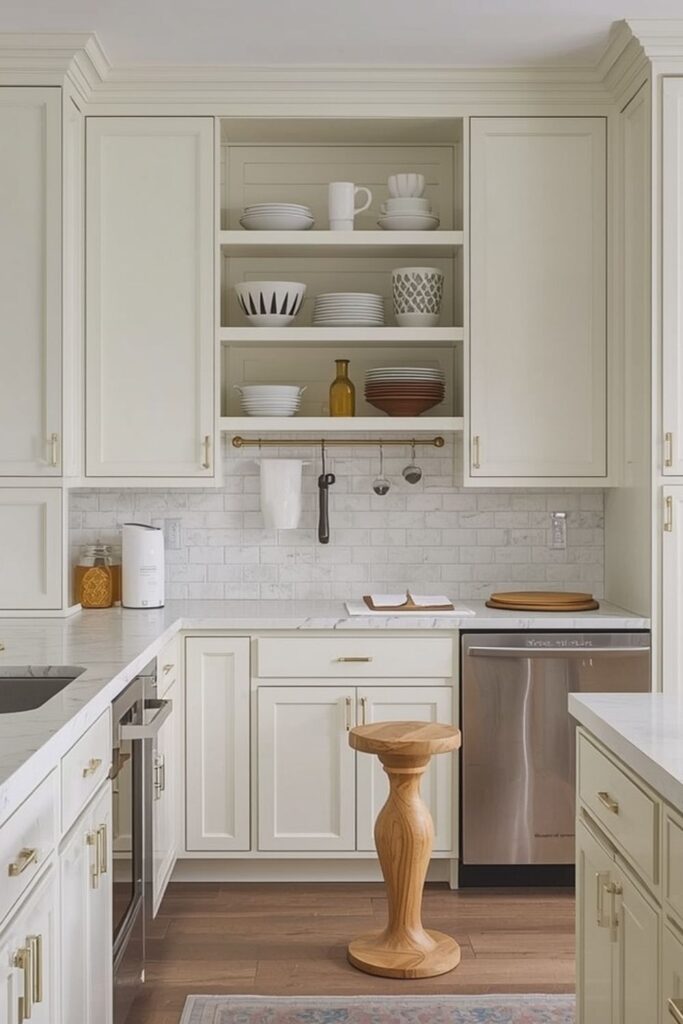
One of the most common small kitchen design mistakes is focusing only on base cabinets and ignoring vertical space. When upper walls are left unused, valuable storage opportunities are wasted, forcing clutter onto countertops.
Extending cabinets closer to the ceiling or adding slim open shelving can dramatically increase storage without increasing footprint. Vertical storage also draws the eye upward, which visually stretches the room and makes the kitchen feel taller and less cramped.
3. Overcrowding the Kitchen with Too Many Cabinets
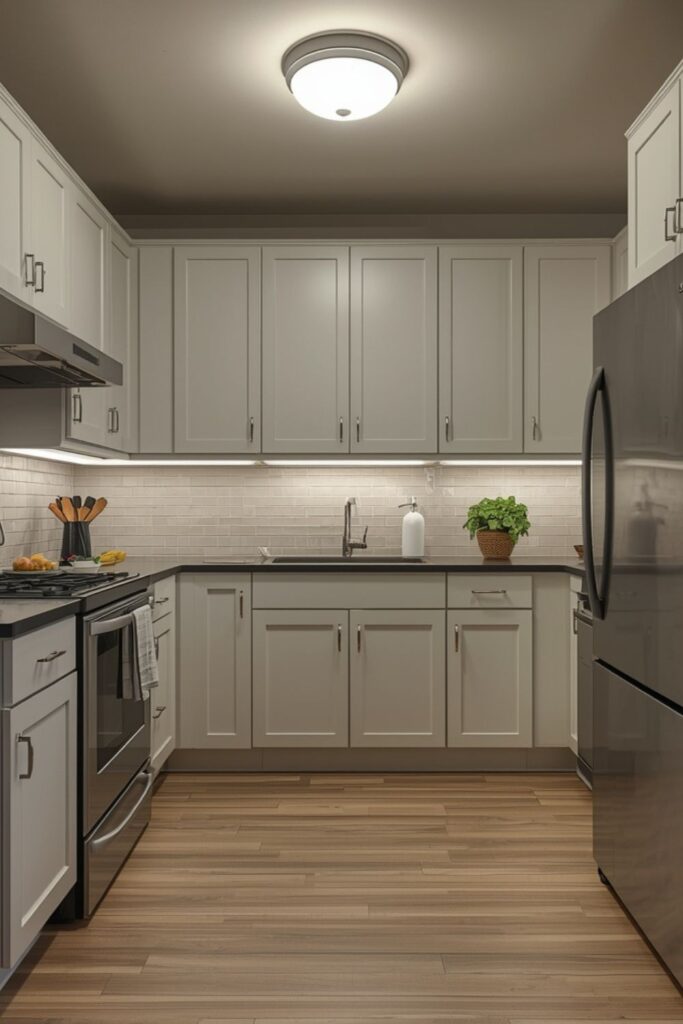
It may sound logical to add more cabinets in a small kitchen, but excessive cabinetry can backfire. When every wall is filled with bulky storage units, the kitchen starts to feel dense and overwhelming. Movement becomes restricted, and the space loses visual balance.
A smarter approach is to mix closed cabinets with open shelving or glass-front units. This creates breathing room while still offering storage. Modern small kitchen trends favor fewer, well-planned cabinets rather than squeezing storage into every possible corner.
4. Poor Lighting Placement and Insufficient Layers
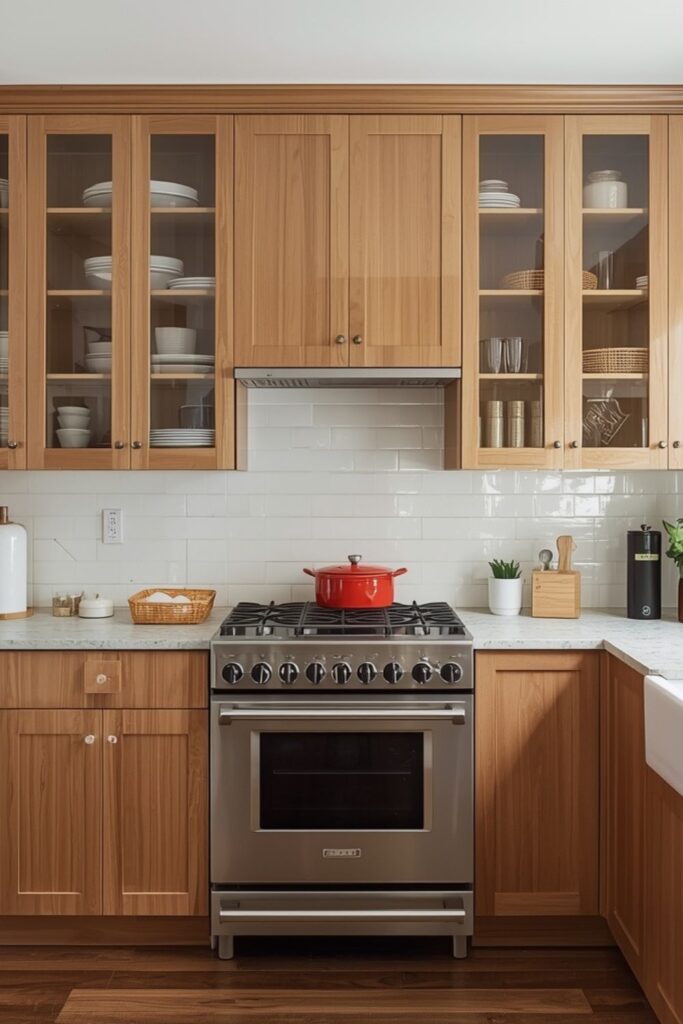
Relying on a single ceiling light is a major design mistake in small kitchens. Poor lighting creates shadows in work areas, making the space feel dull and cramped. This problem is especially noticeable in kitchens with darker countertops or backsplashes.
Layered lighting is essential. Under-cabinet lights, task lighting over prep areas, and subtle ambient lighting help define zones and add depth. Proper lighting doesn’t just improve functionality — it visually expands the space.
5. Using Large or Bulky Appliances
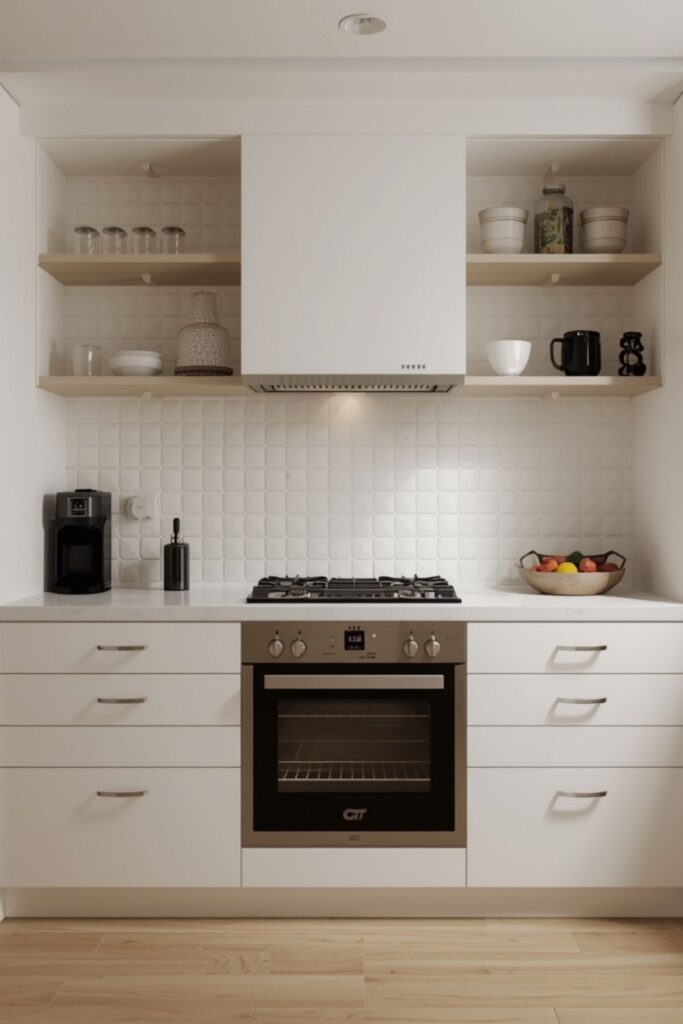
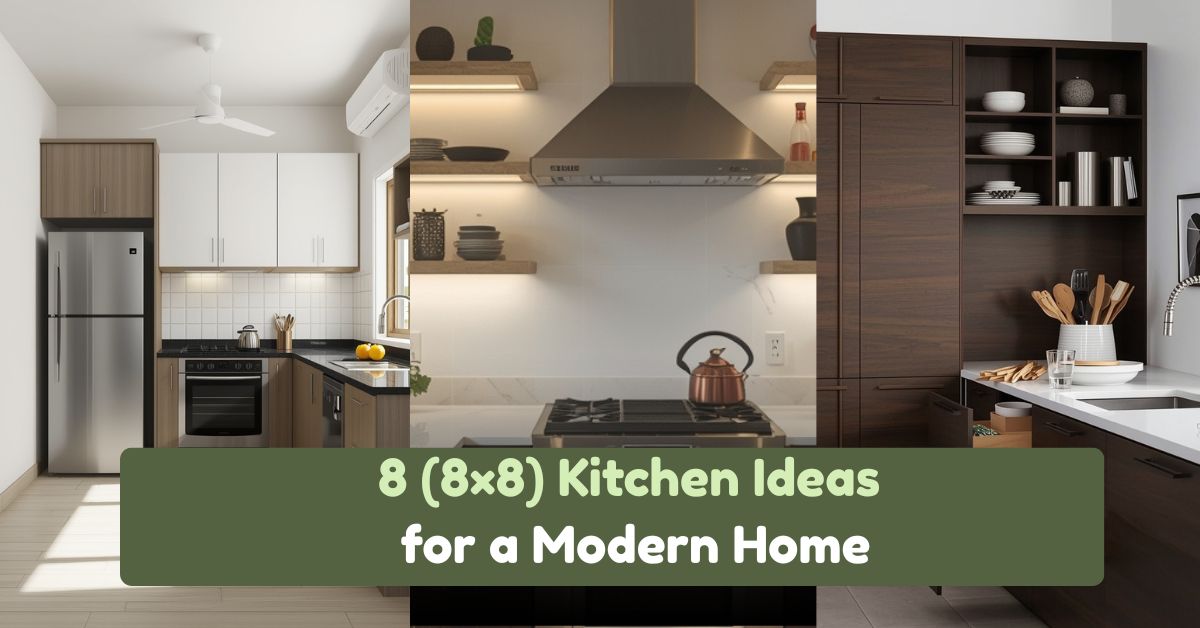
Standard-size appliances can overpower a small kitchen, reducing both walking space and visual flow. Oversized refrigerators or wide ovens often disrupt layouts and make the kitchen feel cluttered.
Compact or integrated appliances are a better fit for small kitchens. They maintain full functionality while preserving clean lines. In many modern homes, especially in T1 countries, seamless built-in appliances are now the preferred solution for small kitchen design.
6. Choosing the Wrong Backsplash Pattern
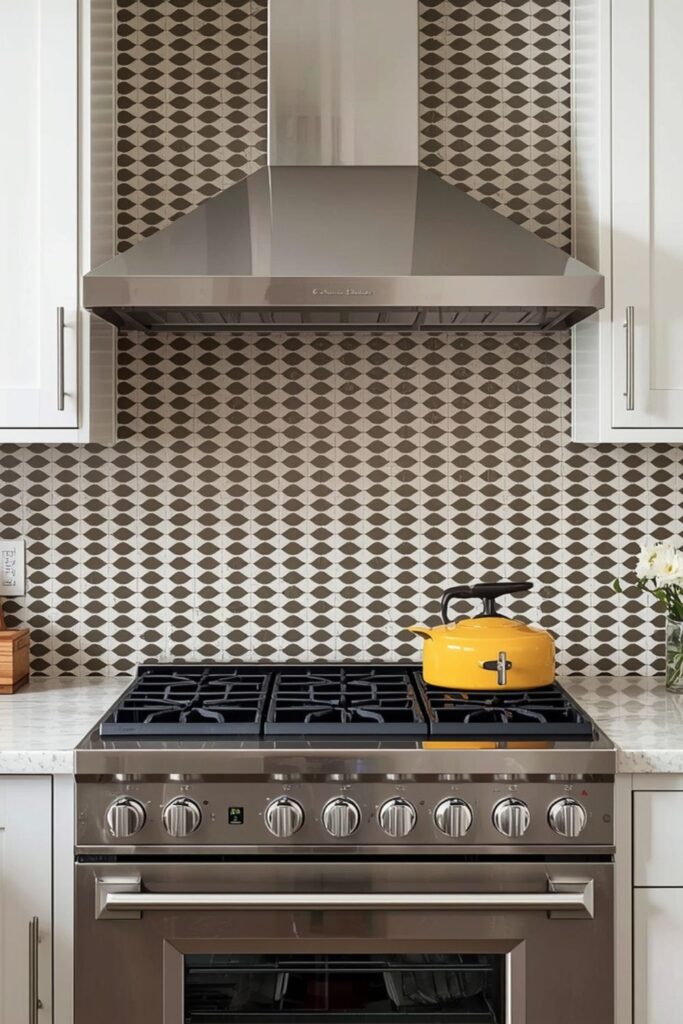
Busy or heavily patterned backsplashes can overwhelm a small kitchen. Strong contrasts and large motifs break visual continuity, making walls feel closer than they are.
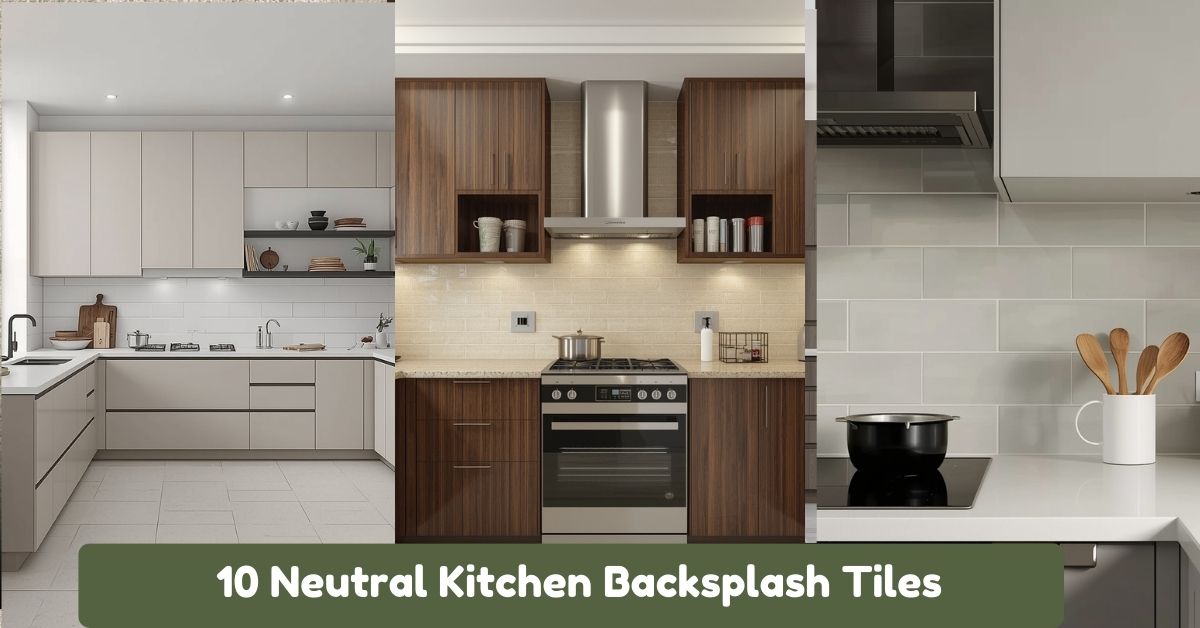
Simple backsplash ideas — such as subway tiles, soft neutrals, or vertical layouts — help elongate walls. Continuous backsplash designs without too many breaks keep the kitchen looking unified and more spacious.
7. Blocking Natural Light Sources
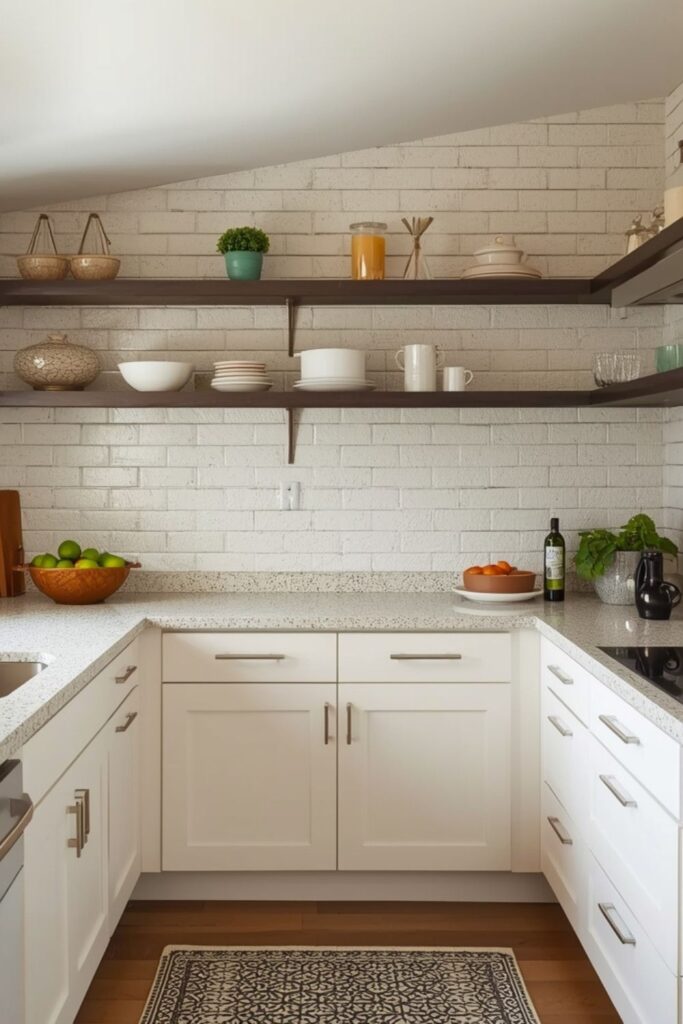
Covering windows with heavy treatments or placing tall cabinets near light sources is a mistake that instantly shrinks a kitchen. Natural light is one of the most powerful tools for making small spaces feel open.
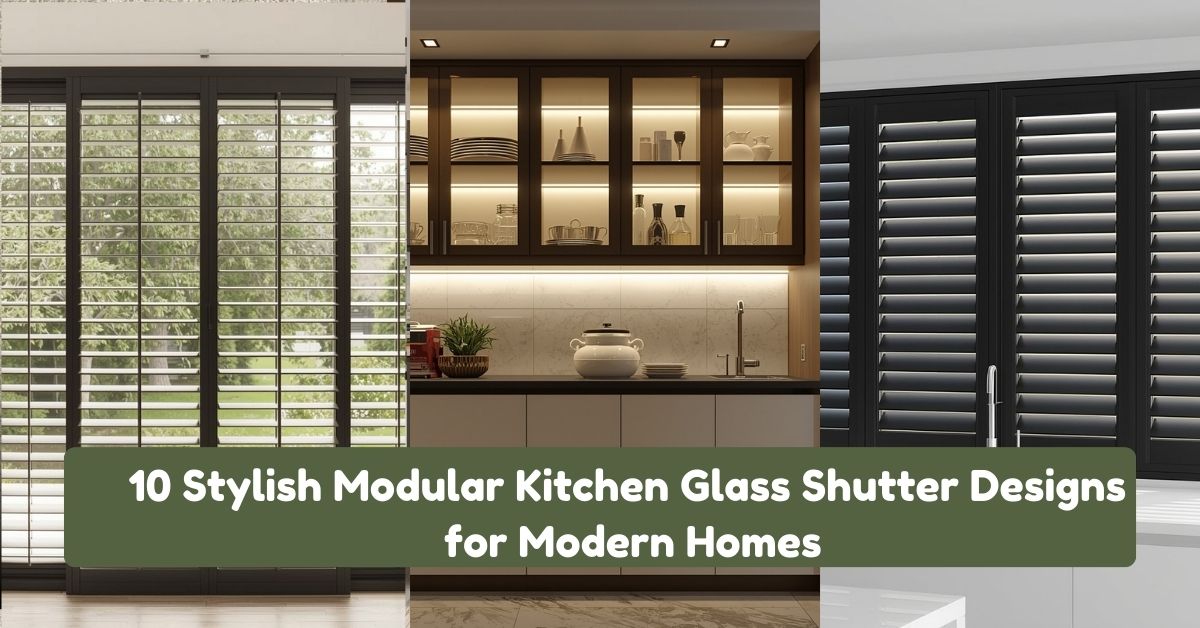
Keeping windows clear or using sheer coverings allows light to flow freely. If privacy is needed, frosted glass or light-filtering blinds are far better options than dark curtains or solid shutters.
8. Following Outdated Small Kitchen Rules
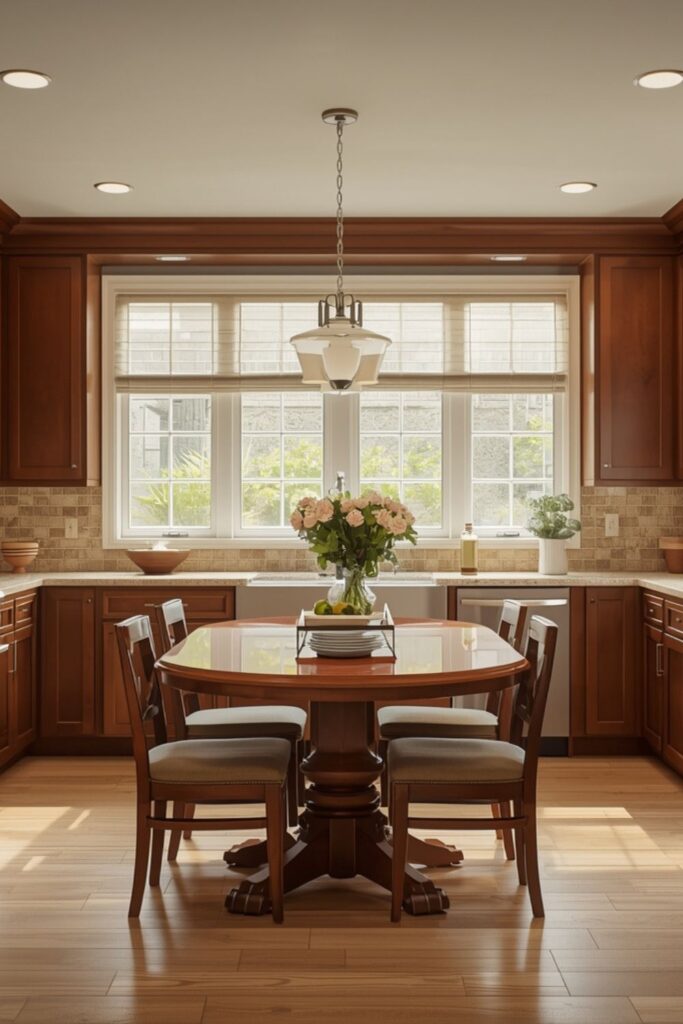
Old design rules — like avoiding open shelves or sticking strictly to closed layouts — often limit modern small kitchen potential. These outdated ideas can prevent creative solutions that actually save space.
Today’s small kitchen design embraces flexibility. Open shelving, handle-less cabinets, and mixed materials are no longer considered risky. Letting go of rigid rules allows the kitchen to adapt to modern lifestyles.
9. Poor Layout Planning and Awkward Work Zones
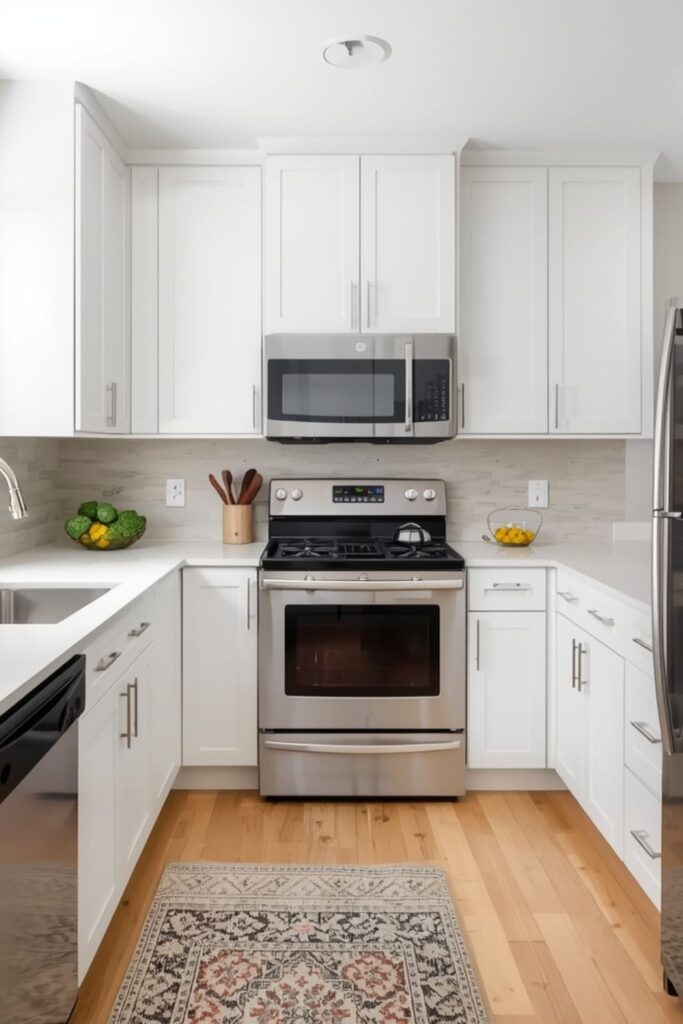
An inefficient layout can make even a well-designed kitchen feel frustrating. When the sink, stove, and refrigerator are poorly positioned, unnecessary movement eats up both time and space.
Smart layout planning focuses on smooth workflow. Compact L-shaped or galley layouts often work best for small kitchens, providing efficiency without overcrowding the room.
10. Ignoring Visual Continuity in Materials
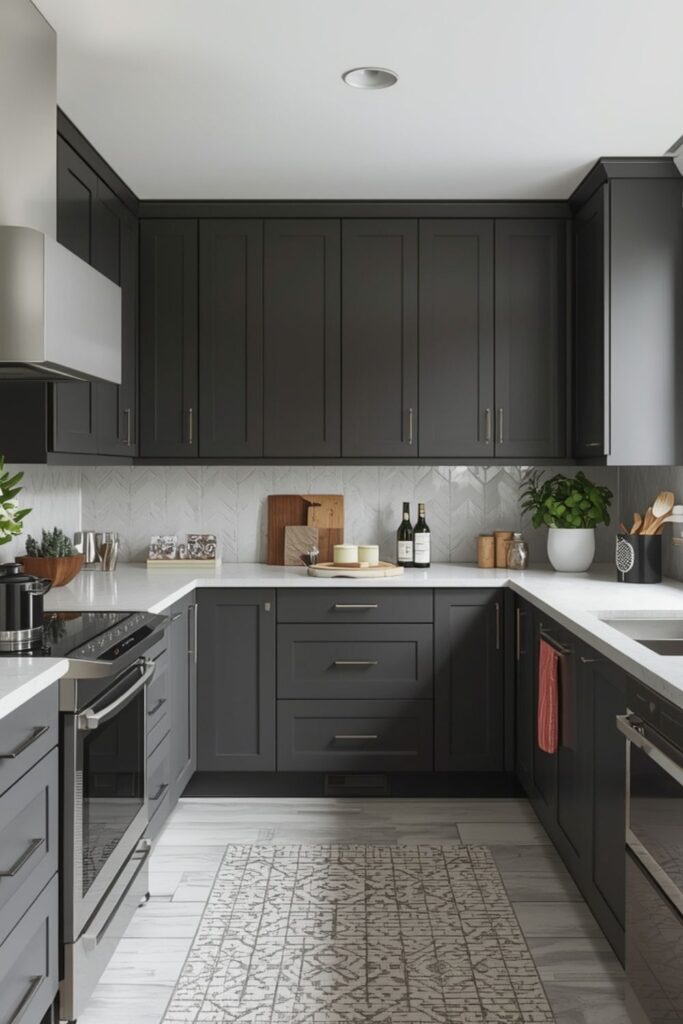
Using too many materials, colors, or finishes breaks visual flow and makes a small kitchen feel chaotic. Every transition draws attention, visually chopping up the space.
Sticking to a cohesive palette for cabinets, counters, and flooring helps the kitchen feel unified. Continuous materials create a seamless look that tricks the eye into perceiving more space than is actually there.
Conclusion
A small kitchen doesn’t feel cramped because of its size alone — it feels cramped because of the design choices made inside it. As we’ve seen, many small kitchen design mistakes happen quietly and gradually, often with good intentions. Dark finishes, oversized appliances, poor lighting, and outdated rules all combine to steal space without you realizing it.
The good news is that most of these mistakes are completely fixable. By focusing on light, layout efficiency, visual continuity, and smarter storage, even the smallest kitchen can feel open, functional, and stylish. Modern small kitchen design is less about adding more and more elements, and more about choosing the right ones. When each decision is intentional, a small kitchen can easily rival the comfort and elegance of a much larger space.
Also Read: Divoero Has Selected 10 Kitchen Essentials Under $20 That Feel Quietly Premium