
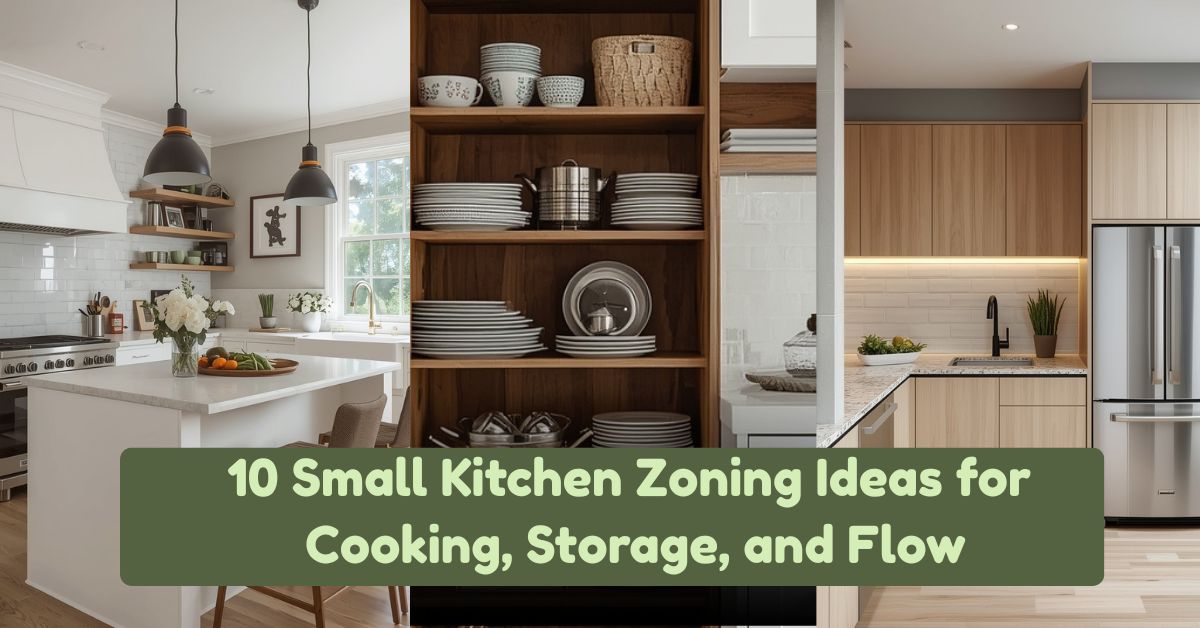
In a small kitchen, comfort rarely comes from size. It comes from how well the space is organized. When cooking, storage, and movement overlap without structure, even a beautifully designed kitchen can feel stressful to use. This is where thoughtful zoning becomes essential. Small kitchen zoning ideas help divide limited space into purposeful areas that support daily routines without adding visual clutter.
In compact homes across T1 countries, kitchens often serve multiple roles throughout the day. They are places for cooking, conversation, storage, and quiet moments in between. Zoning allows these activities to coexist naturally. Instead of walls or partitions, modern zoning relies on layout logic, subtle material shifts, and intuitive placement. The following small kitchen zoning ideas focus on clarity, flow, and everyday ease, helping compact kitchens feel more organized and calmer over time.
10 Small Kitchen Zoning Ideas for Cooking, Storage, and Flow
Table of Contents
1. Clear Cooking Zone That Stays Focused
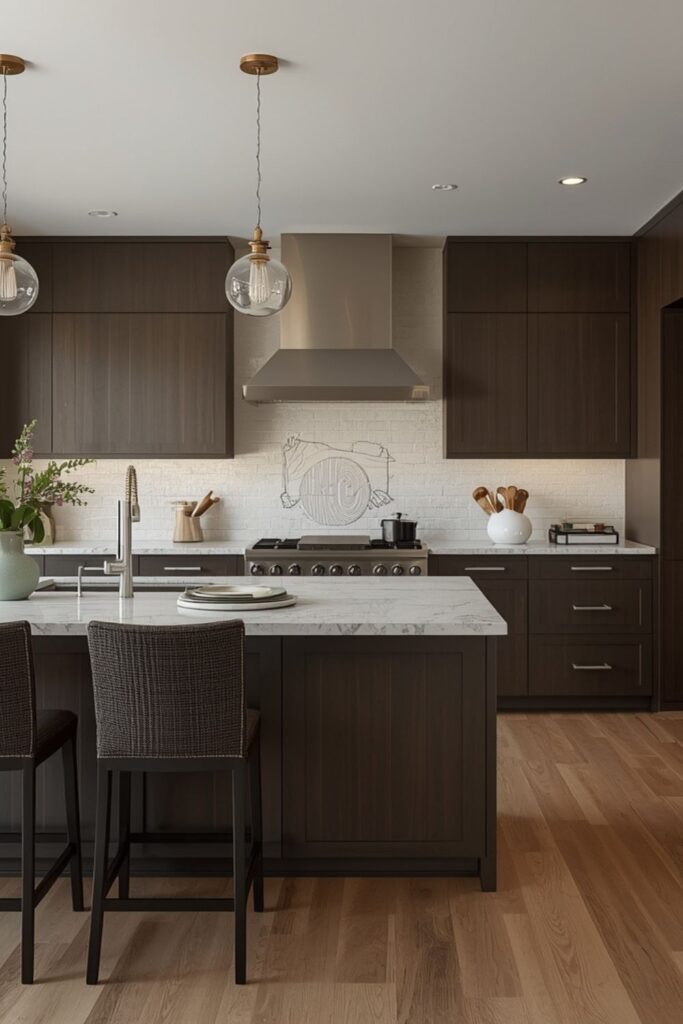
The cooking zone should feel contained and efficient, even in a very small kitchen. Placing the cooktop, essential utensils, and nearby counter space together reduces unnecessary movement. This zoning approach allows cooking to feel intentional rather than scattered.
In small kitchen zoning ideas, keeping this area visually simple matters. Minimal backsplash patterns, restrained lighting, and nearby storage help the cooking zone stay calm and functional without overwhelming the rest of the kitchen.
2. Compact Prep Zone Beside Natural Light
A prep zone works best when it feels open and comfortable. In small kitchens, placing the prep counter near a window or brighter area improves usability and mood. This makes daily tasks feel lighter and more relaxed.
Zoning the prep area separately from heavy storage ensures that counters stay clear. Even a small uninterrupted surface can feel generous when its role is clearly defined.
3. Storage Zone That Stays Out of Sight
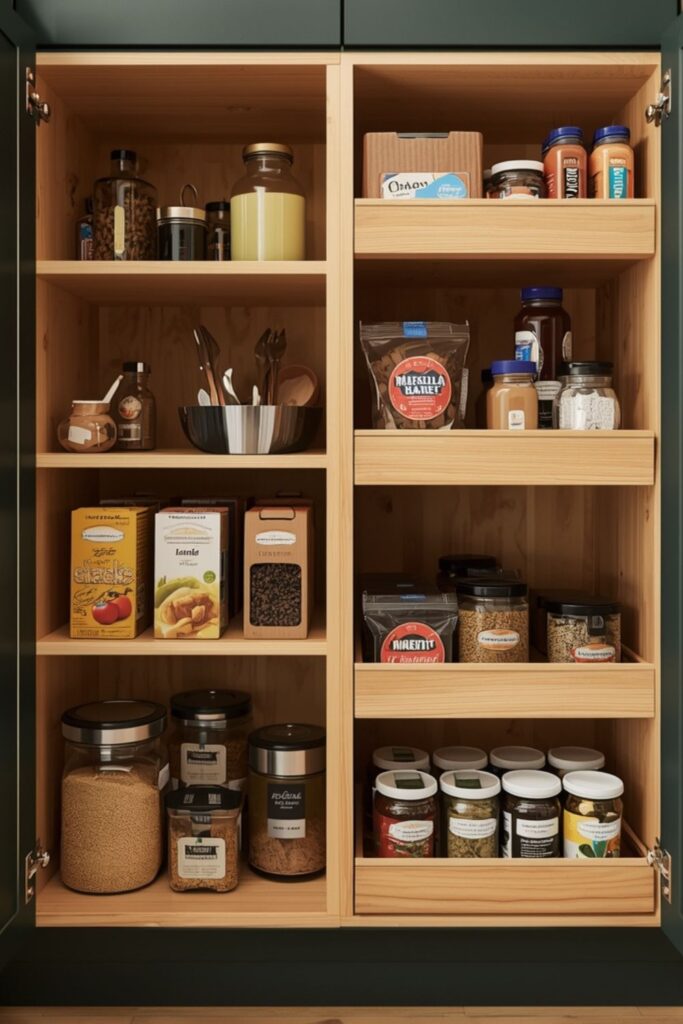
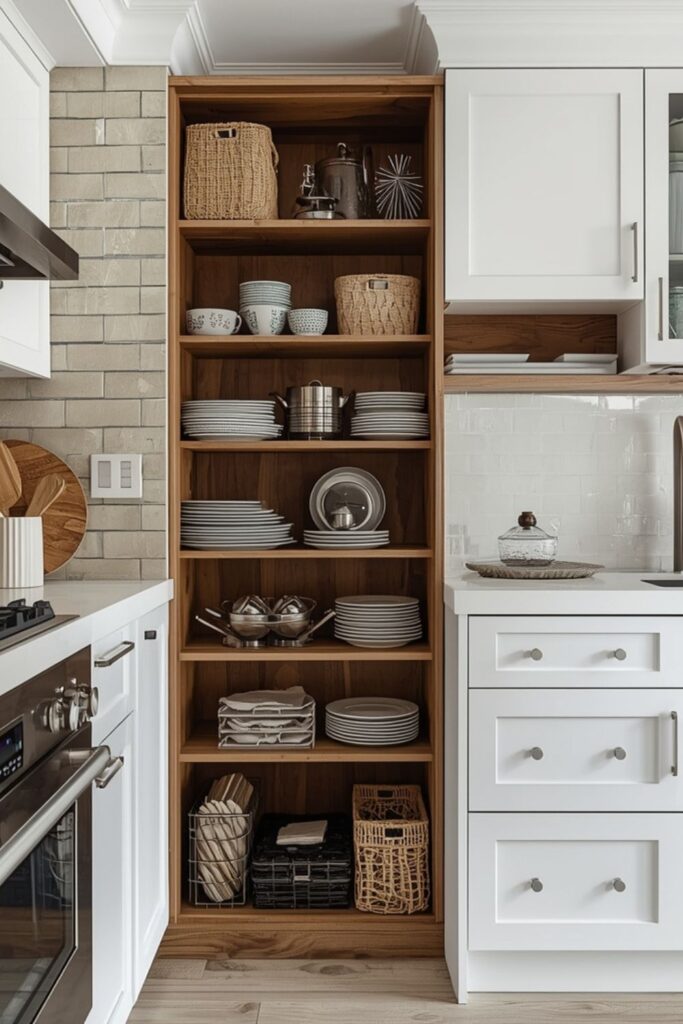
Storage zones should support the kitchen quietly, not dominate it. Tall cabinets, pull-out units, and concealed storage work well when grouped together rather than spread randomly.
Small kitchen zoning ideas often rely on vertical storage to keep everyday items accessible while maintaining visual calm. When storage feels contained, the kitchen feels easier to manage.
4. Cleaning Zone Designed for Efficiency
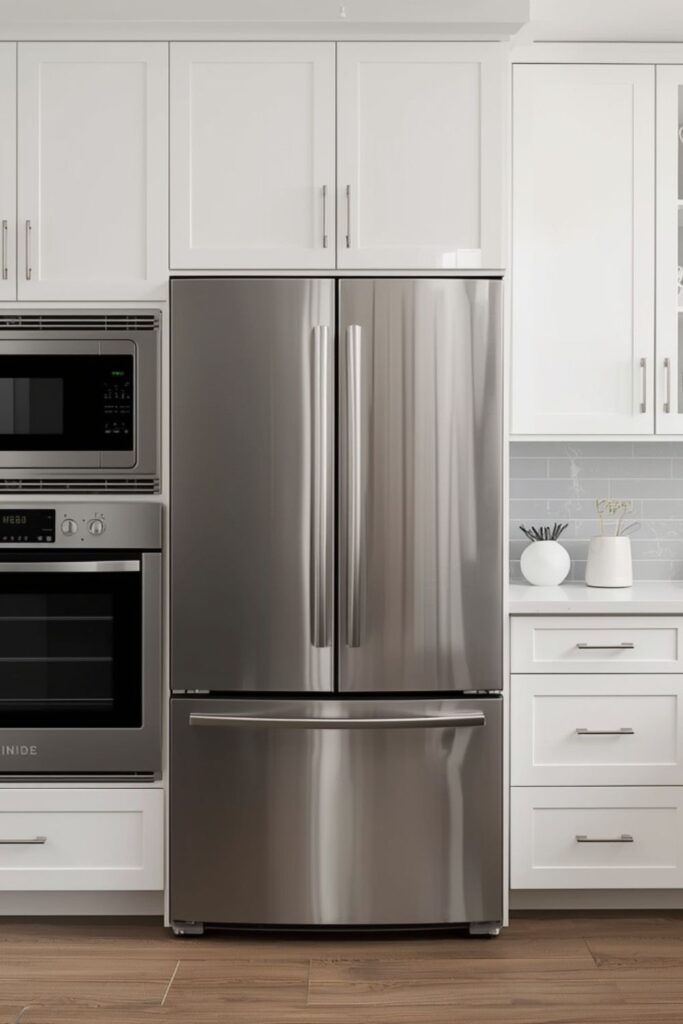
The sink and cleaning zone benefit from thoughtful placement. Keeping this area close to both the cooking and prep zones improves flow without overlapping tasks.
In compact kitchens, zoning the cleaning area with subtle lighting and durable finishes helps it feel practical but not intrusive. This balance keeps the kitchen looking composed even during busy moments.
5. Flow Zone That Allows Easy Movement
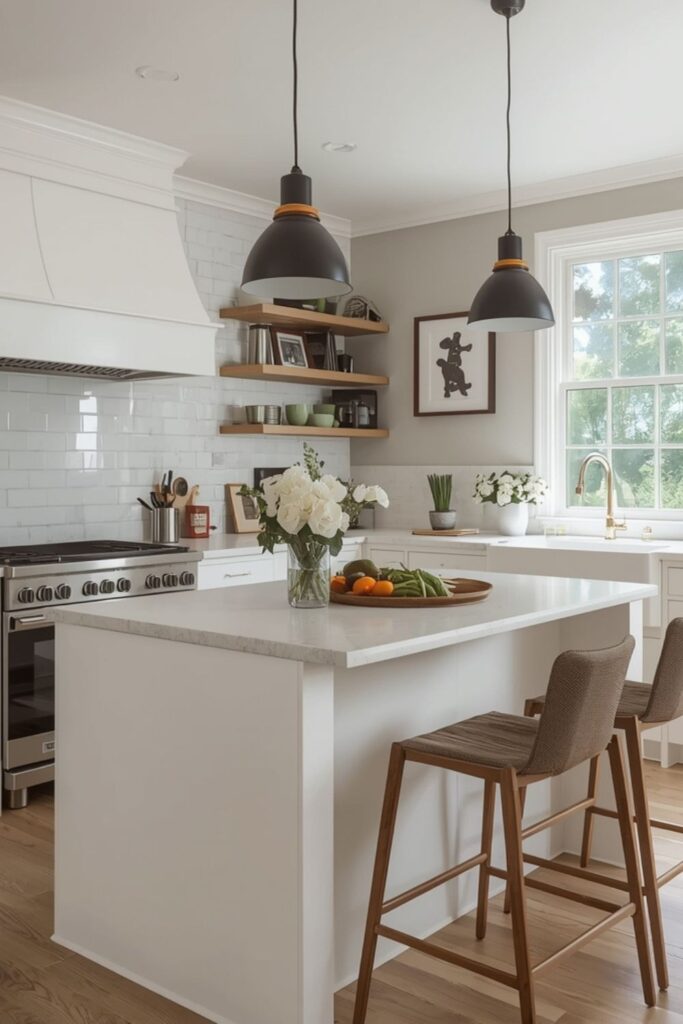
Movement is often overlooked in small kitchens. A clear flow zone ensures that opening cabinets, moving between zones, and sharing the space feels natural.
Small kitchen zoning ideas prioritize circulation paths that remain unobstructed. When flow is respected, the kitchen feels larger and more comfortable to use.
6. Multi-Use Zone for Flexible Needs
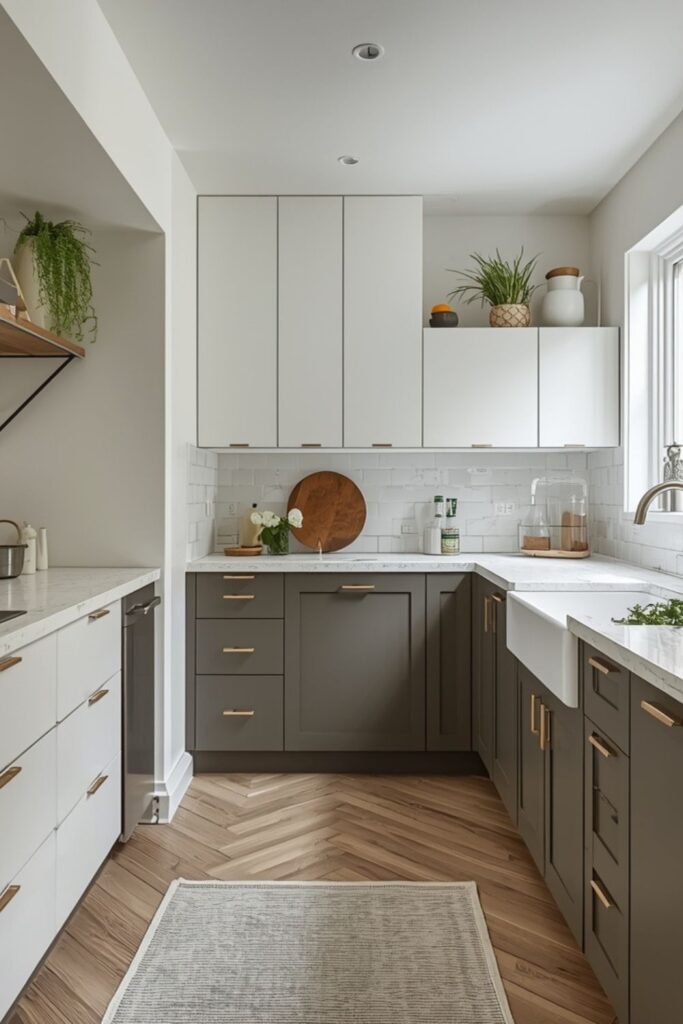
In modern homes, kitchens often support more than cooking. A small counter extension or compact island can serve as a dining, work, or social zone.
Zoning this area separately helps prevent interference with cooking tasks. It allows the kitchen to adapt without feeling crowded.
7. Appliance Zone That Feels Integrated
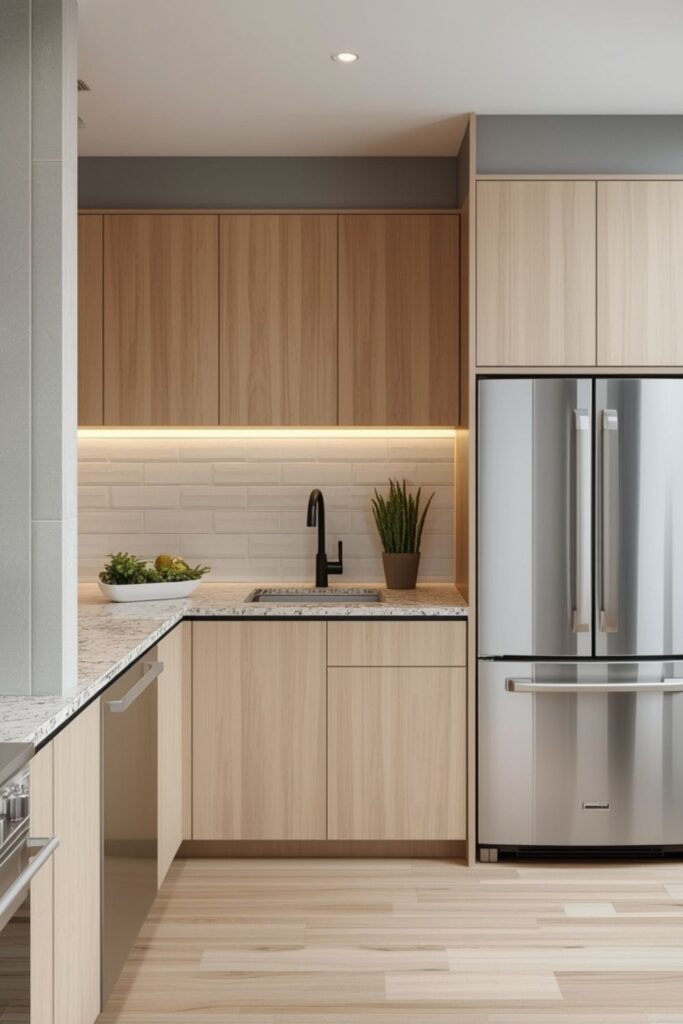
Grouping appliances into a dedicated zone reduces visual noise. Built-in ovens, integrated refrigerators, and concealed microwaves help maintain a seamless look.
This zoning approach supports both function and aesthetics, especially in small kitchens where appliances can easily dominate the space.
8. Dry Storage Zone for Everyday Essentials
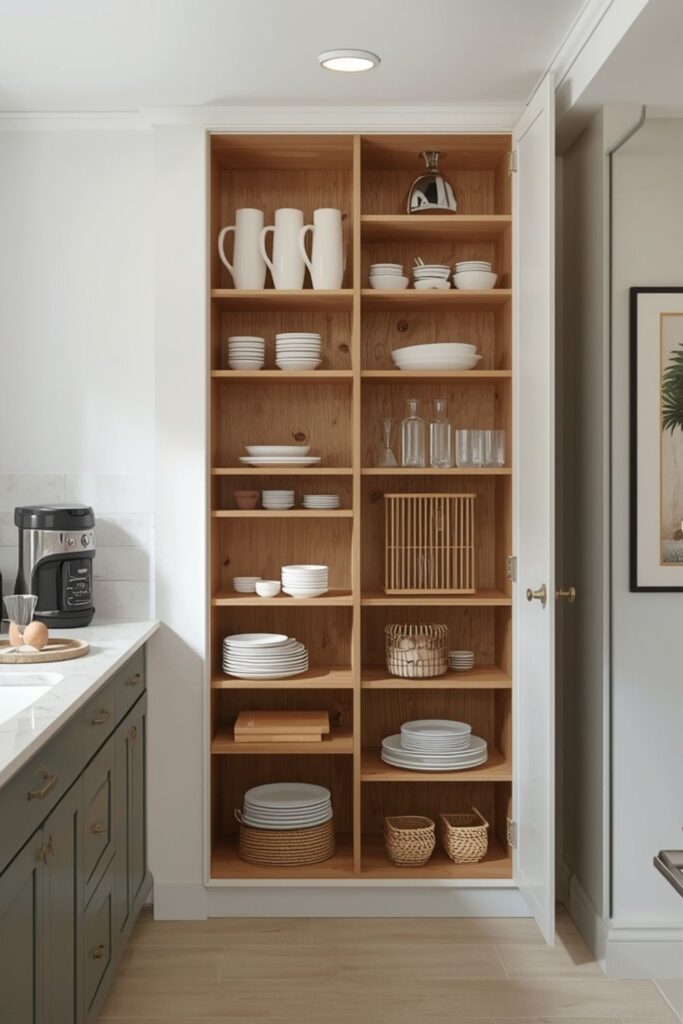
Pantry items, grains, and daily groceries benefit from a dedicated dry storage zone. Keeping this area close to prep zones improves efficiency.
In small kitchen zoning ideas, even narrow pull-out cabinets can function effectively when their purpose is clearly defined.
9. Vertical Zone That Uses Height Wisely
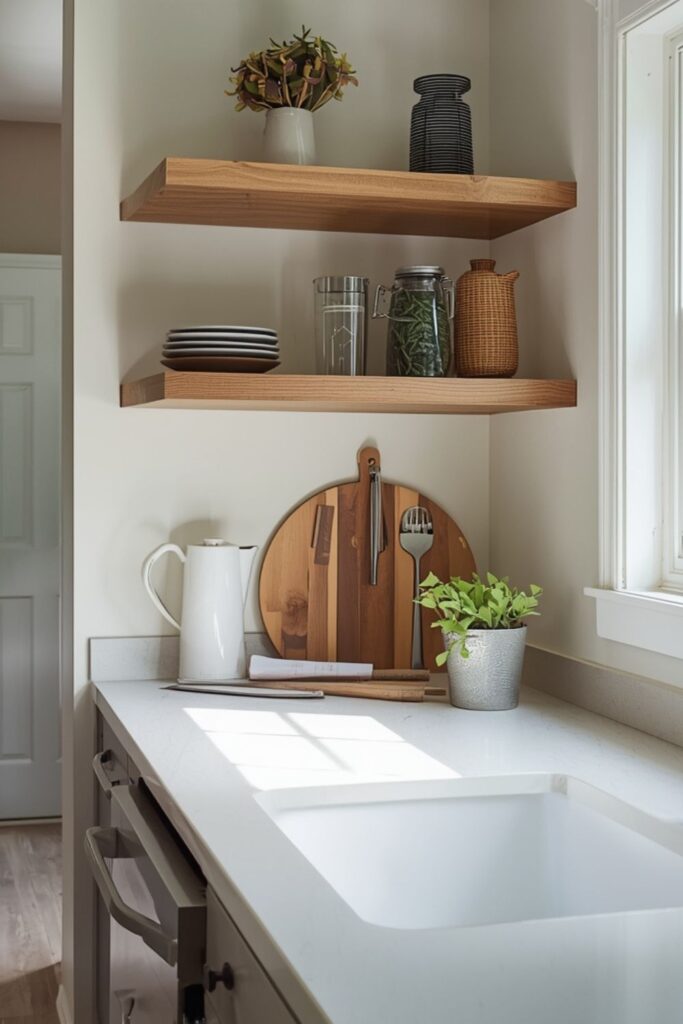
Vertical zoning allows small kitchens to grow upward rather than outward. Upper cabinets, wall-mounted racks, and tall units become part of a cohesive system.
This approach keeps the floor area open while increasing storage without cluttering the visual field.
10. Visual Zoning Through Materials and Lighting
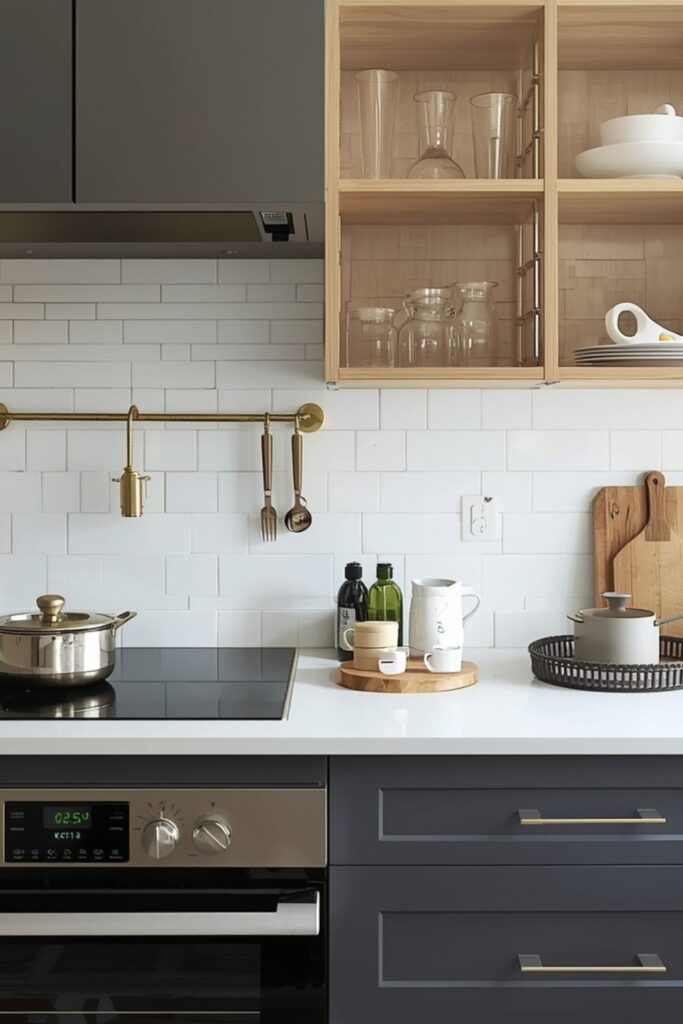
Zoning does not require physical barriers. Changes in lighting, cabinet finishes, or backsplash textures can subtly define areas.
This method works especially well in very small kitchens, where openness matters. Visual zoning creates structure while preserving a calm, unified look.
FAQs – Small Kitchen Zoning Ideas
What is kitchen zoning in small kitchens?
Kitchen zoning is the practice of dividing a small kitchen into functional areas such as cooking, storage, cleaning, and movement to improve flow and usability.
Can zoning work in very small kitchens?
Yes. In fact, zoning is most effective in very small kitchens because it reduces overlap and confusion during daily use.
Do small kitchen zoning ideas require renovation?
Not always. Many zoning improvements can be achieved through layout adjustments, storage reorganization, and lighting changes.
Is zoning useful for Indian-style small kitchens?
Absolutely. Zoning helps manage intensive cooking routines by keeping tasks organized and efficient.
Conclusion
Small kitchen zoning ideas are less about division and more about clarity. When each function has a defined place, the kitchen becomes easier to use and calmer to live with. Cooking feels focused, storage feels controlled, and movement flows naturally without friction.
Over time, zoning helps small kitchens age better. It supports changing routines while maintaining balance and simplicity. In compact homes, thoughtful zoning transforms limited space into a kitchen that works quietly and reliably every day.
Also Read: 8 Small Kitchen Space & Layout Ideas



2 thoughts on “10 Small Kitchen Zoning Ideas for Cooking, Storage, and Flow”