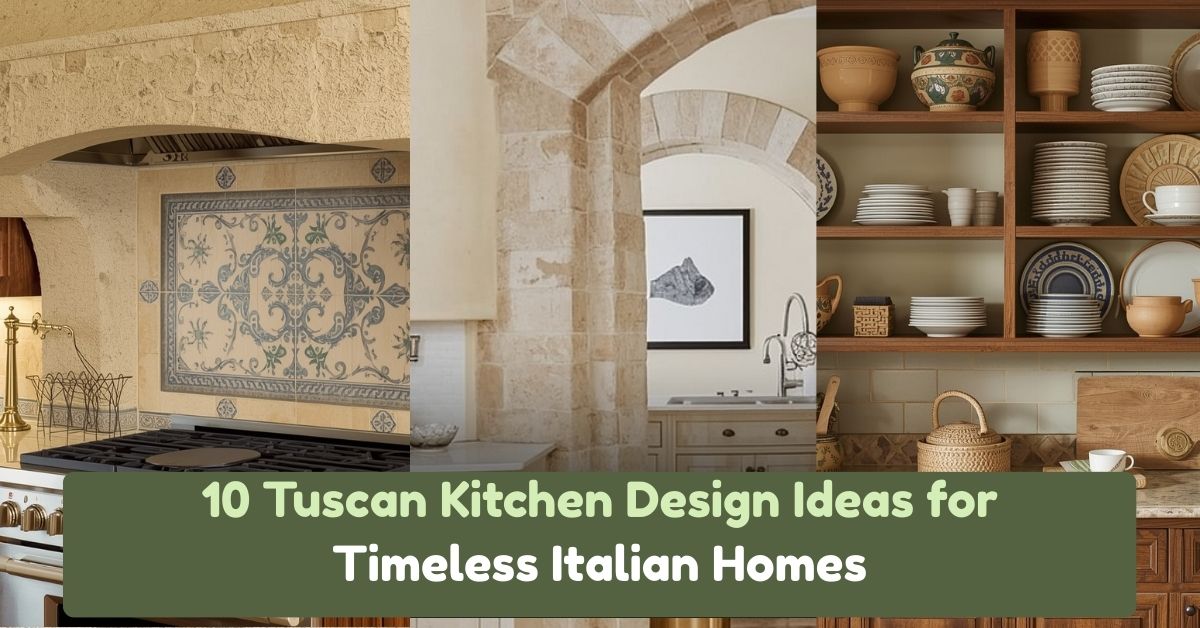
Tuscan kitchens are rooted in warmth, tradition, and a deep connection to natural materials. Inspired by the countryside homes of Italy, this design style became especially popular during the early 2000s and continues to evolve today with modern interpretations. A Tuscan kitchen is never about perfection—it celebrates texture, age, and handcrafted beauty.
From rustic wooden cabinets to earthy color palettes and stone finishes, 10 Tuscan-style kitchens design ideas create spaces that feel welcoming and lived-in. Whether you prefer a traditional Italian kitchen design or a modern Tuscan style kitchen, these ideas bring timeless Mediterranean charm into contemporary homes.
Below are 10 Tuscan kitchen design ideas that balance old-world character with modern comfort.
10 Tuscan Kitchen Design Ideas for Timeless Italian Homes
Table of Contents
1. Warm Earth-Tone Color Palette
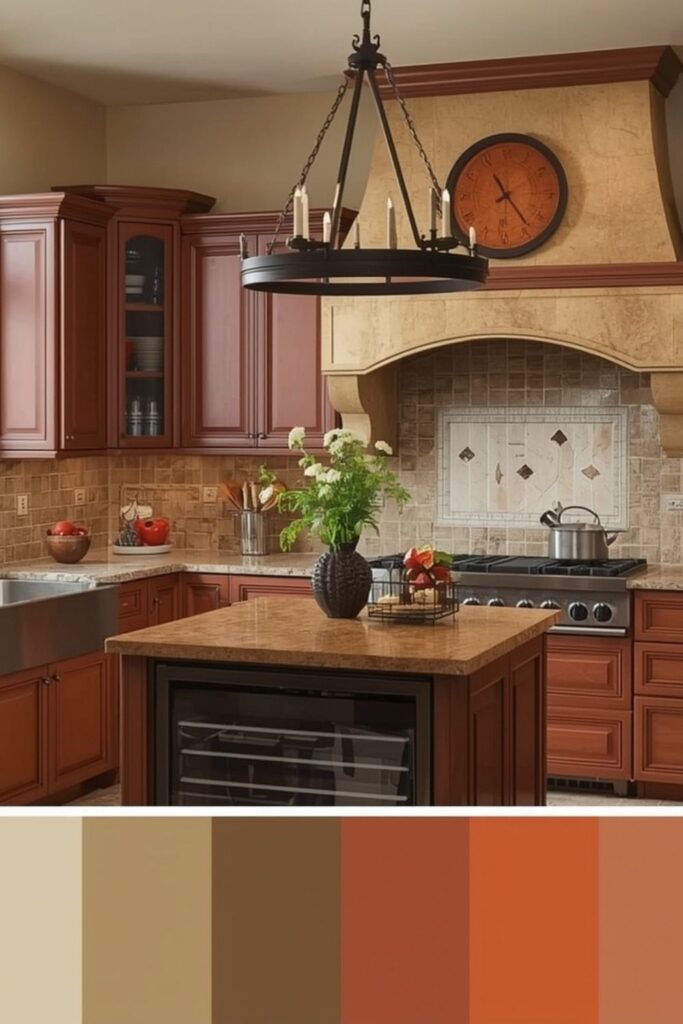
One of the defining elements of Tuscan kitchen design is its earthy color scheme. Shades like terracotta, beige, ochre, and warm browns dominate walls and cabinetry.
These colors reflect the Italian countryside and help kitchens feel grounded and cozy. Even in modern homes, using warm earth tones instantly brings Tuscan character without overwhelming the space.
2. Rustic Wooden Tuscan Style Kitchen Cabinets
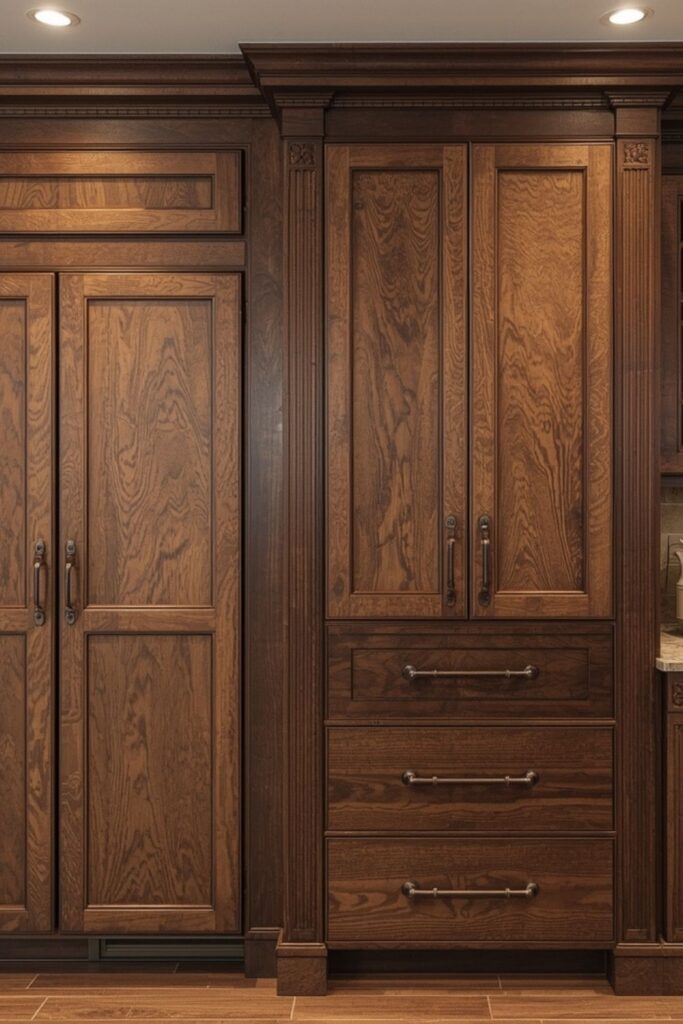
Tuscan style kitchen cabinets are typically crafted from solid wood with a slightly distressed finish. Natural grains, uneven textures, and visible craftsmanship are celebrated rather than hidden.
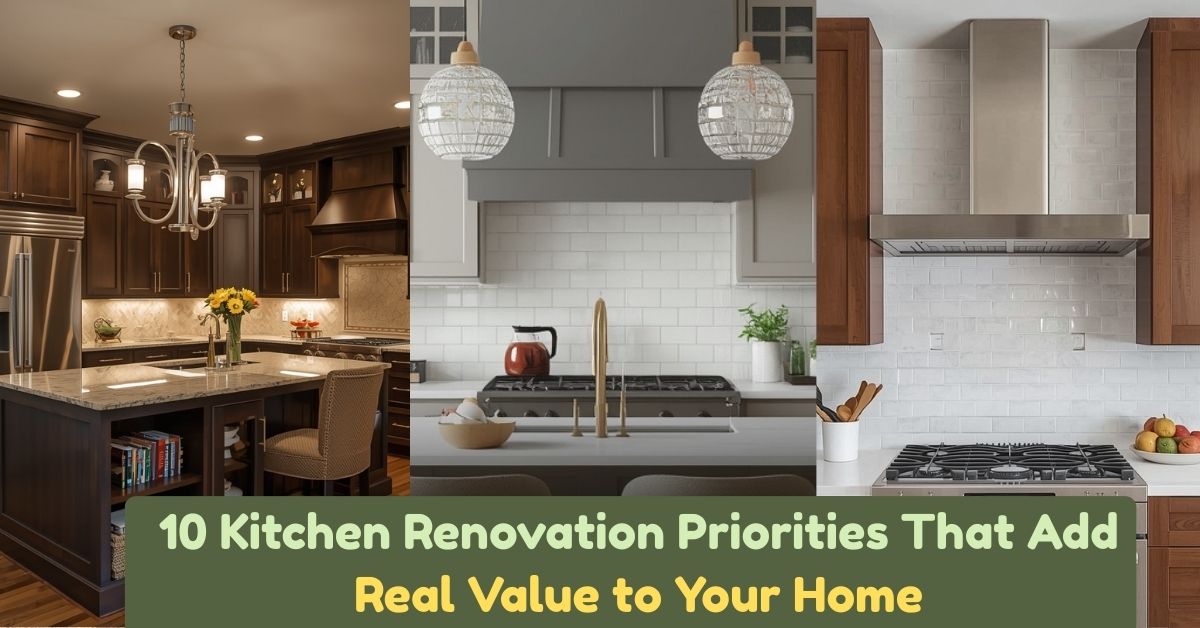
Dark walnut, chestnut, or honey-toned wood cabinets add depth and authenticity. These cabinets often feature decorative molding, antique-style handles, and traditional paneling.
3. Natural Stone Countertops
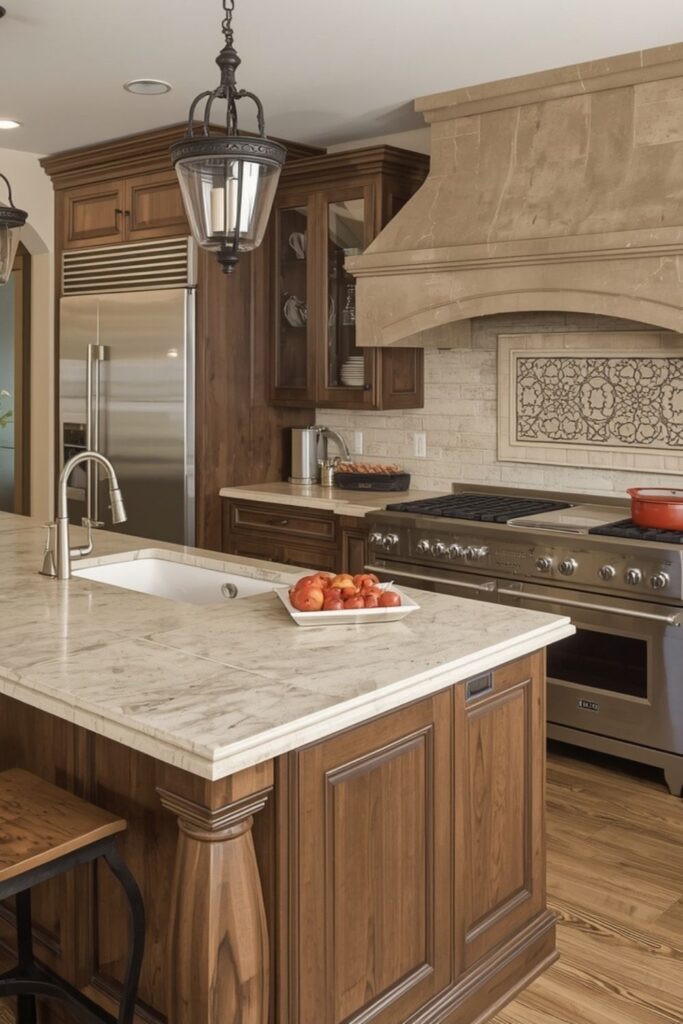
Stone plays a major role in Italian-inspired kitchen décor. Granite, marble, or travertine countertops enhance the rustic appeal while remaining durable.
Natural stone surfaces age beautifully over time, aligning perfectly with the Tuscan philosophy of embracing imperfections. Matte or honed finishes work better than polished ones for an authentic look.
4. Exposed Wooden Beams
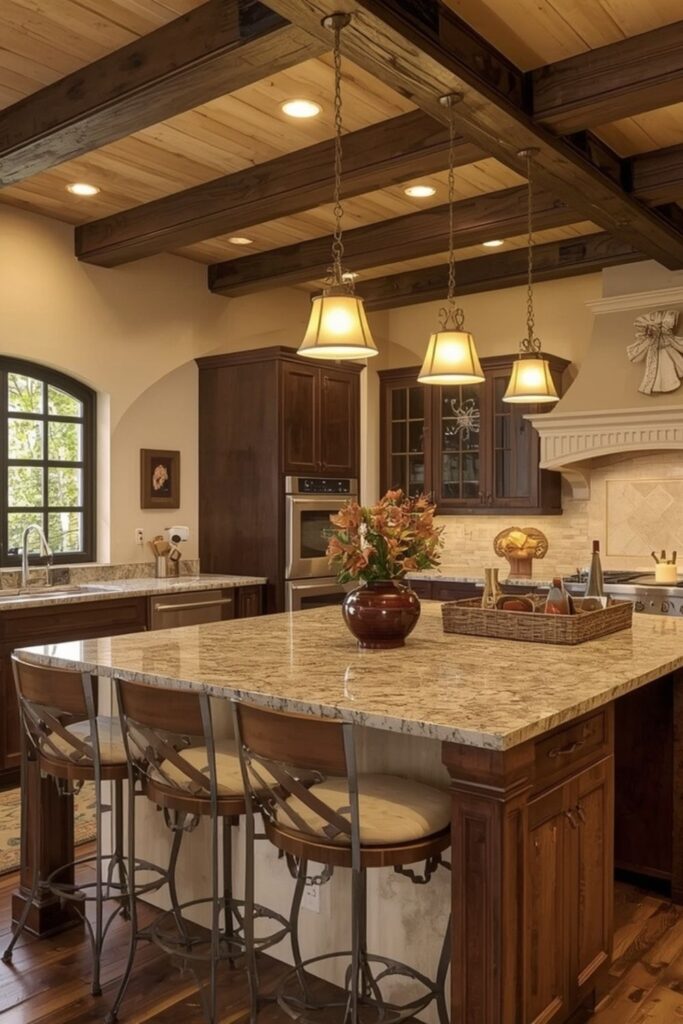
Exposed ceiling beams are a signature feature in images of Tuscan kitchens. They add architectural interest and reinforce the traditional Italian kitchen design.
Even in homes without original beams, faux wooden beams can be added to create the same visual warmth. Dark-stained beams contrast beautifully with lighter walls.
5. Decorative Tile Backsplashes
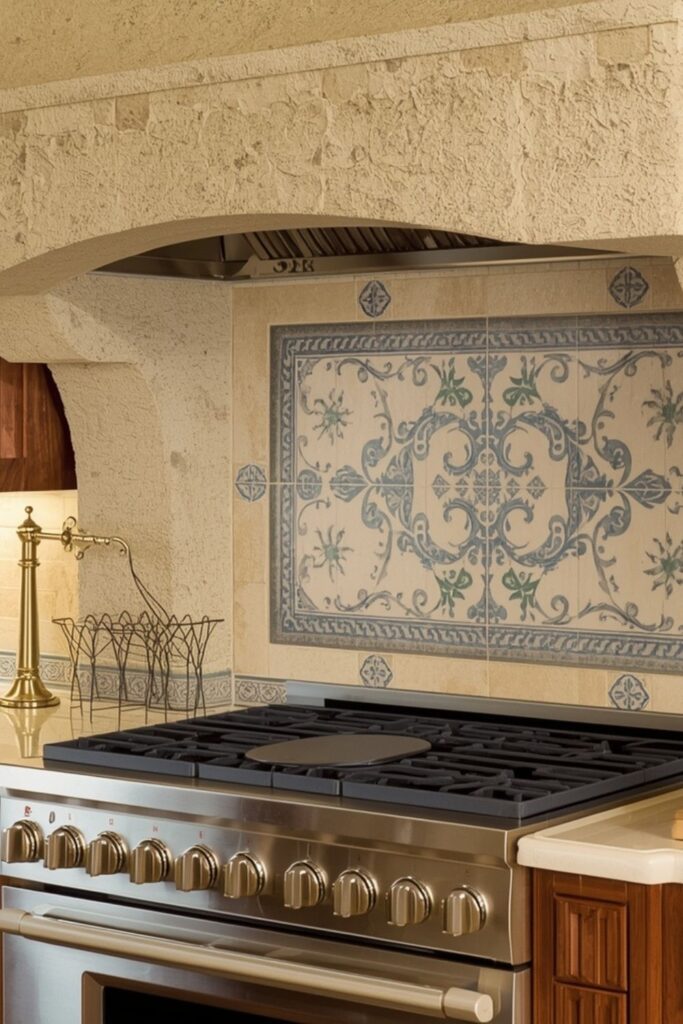
Tuscan Mediterranean kitchen design often features handcrafted tiles with subtle patterns. These may include floral motifs, soft blues, or warm neutrals inspired by Italian pottery.
Tiles are usually used sparingly—behind the stove or sink—so they enhance the kitchen without creating visual clutter.
6. Arched Doorways and Niches
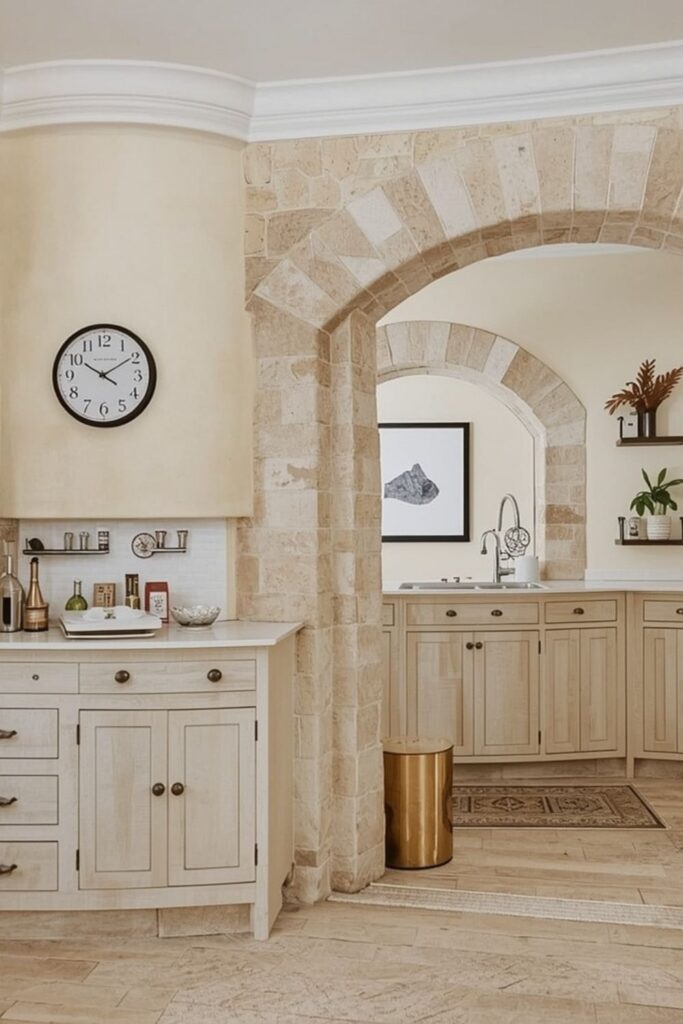
Arches are common in traditional Italian kitchens and add softness to the space. Arched doorways, windows, or built-in niches help kitchens feel more fluid and organic.
These architectural details create visual depth and pair well with rustic cabinetry and stone textures.
7. Wrought Iron Details
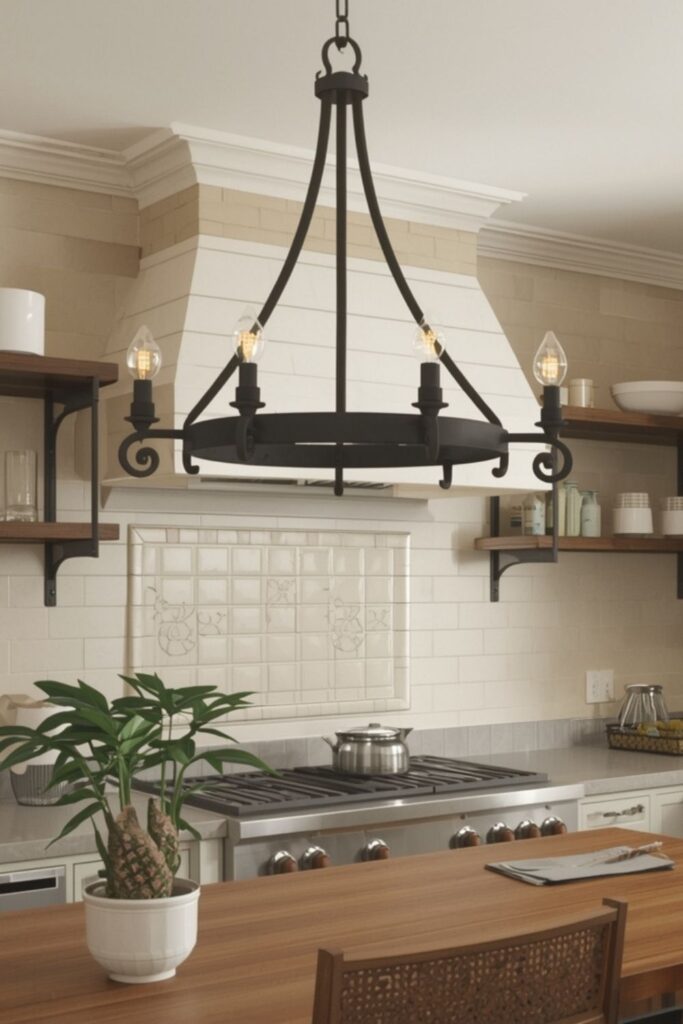
Wrought iron is frequently used in Tuscan kitchen design for light fixtures, cabinet handles, and shelving brackets. It introduces contrast and reinforces the old-world aesthetic.
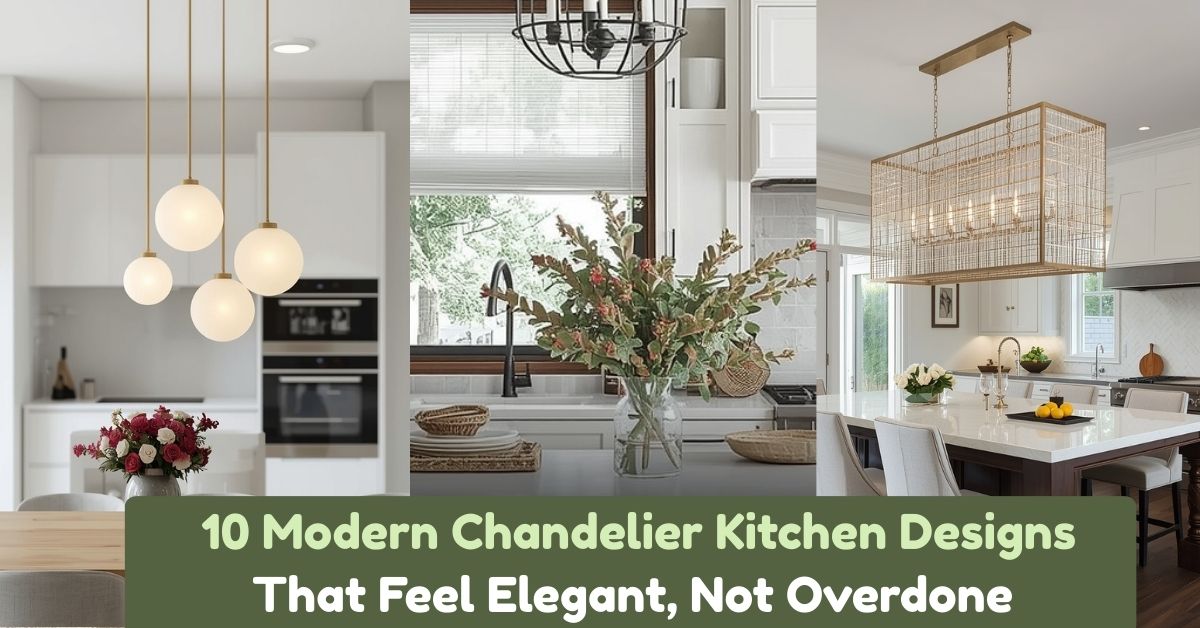
Iron chandeliers or pendant lights with warm bulbs are especially popular in both traditional and modern Tuscan style kitchens.
8. Open Shelving With Ceramic Display
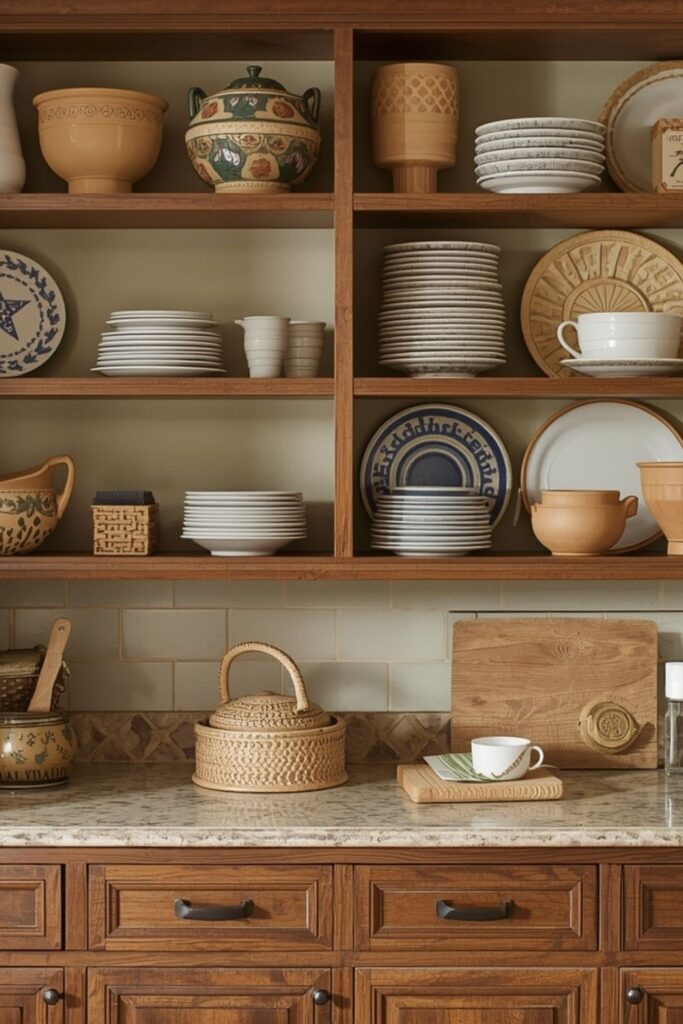
Instead of fully closed cabinetry, Tuscan kitchens often include open shelves. These shelves display ceramic plates, clay pots, and Italian-inspired décor items.
This approach makes the kitchen feel personal and lived-in, a key characteristic of Italian kitchen designs photo gallery images.
9. Large Farmhouse-Style Kitchen Islands
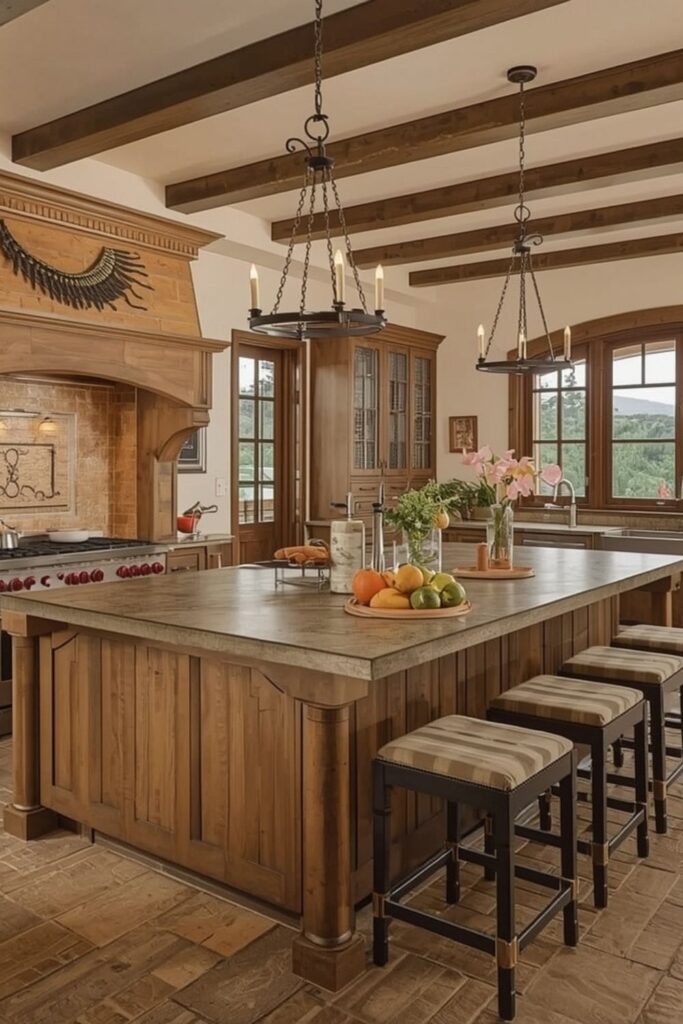
A generous kitchen island serves as the heart of many Tuscan kitchens. Often made from wood or stone, these islands are functional and social.
In modern Tuscan kitchens, islands may include seating while maintaining rustic finishes to preserve authenticity.
10. Modern Tuscan Style Kitchen Blends
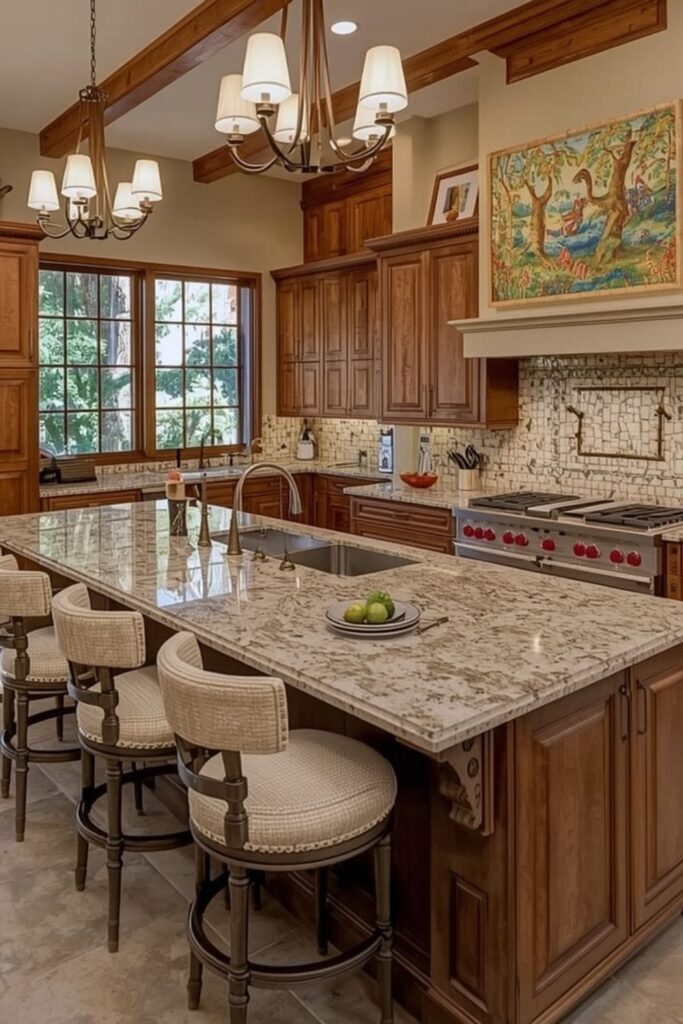
Modern Tuscan style kitchens simplify traditional elements. Cleaner cabinet lines, lighter colors, and subtle textures are combined with classic Tuscan materials.
This blend works well for contemporary homes that want Italian warmth without heavy ornamentation.
Why Tuscan Kitchen Design Remains Popular
Tuscan kitchens feel timeless because they focus on comfort rather than trends. Natural materials, handcrafted details, and warm lighting create spaces that age gracefully.
Even decades after their popularity in the 2000s, Tuscan-style kitchens continue to inspire designers due to their emotional warmth and durability.
FAQs – Tuscan Kitchen Design
Is Tuscan kitchen design suitable for modern homes?
Yes. Modern Tuscan kitchens blend rustic textures with cleaner layouts for contemporary living.
What colors are best for a Tuscan kitchen?
Earthy shades like beige, terracotta, cream, and warm browns work best.
Can Tuscan kitchens work in smaller spaces?
Yes, by using lighter colors, minimal décor, and selective rustic elements.
Are Tuscan kitchens expensive to build?
Costs vary. Using selective materials and modern alternatives can make them budget-friendly.
Conclusion
Tuscan kitchens are more than a design trend—they are a celebration of warmth, tradition, and everyday living. These 10 Tuscan kitchen design ideas show how Italian-inspired spaces can feel both timeless and adaptable.
Whether you choose a fully traditional Italian kitchen design or a modern Tuscan Mediterranean blend, the key lies in natural materials, warm colors, and thoughtful details. A Tuscan kitchen doesn’t try to impress—it invites you in, making it one of the most enduring kitchen styles worldwide.
Also Read: 7 Quiet Color Shades Choices for Small Kitchens That Feel Spacious