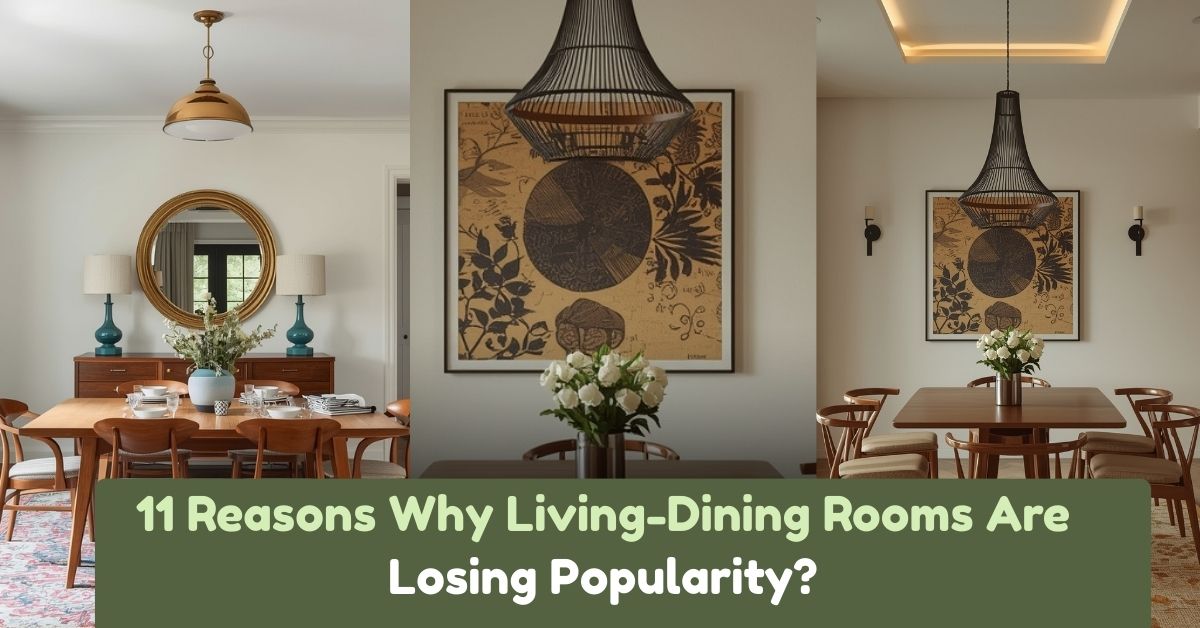
For many years, the living-dining room was seen as a smart and modern solution. It promised openness, better light, and a sense of togetherness, especially in apartments where space felt limited. Developers, designers, and homeowners all embraced this combined layout without questioning how it actually worked in daily life. Over time, however, real living habits began to expose its flaws.
As families started working from home, spending more time indoors, and expecting their homes to support multiple activities, the cracks became obvious. Noise, lack of privacy, visual clutter, and poor functionality started to outweigh the benefits. Today, living-dining rooms are losing popularity not because they look bad, but because they often don’t match how people actually live. Modern homes are quietly moving toward more thoughtful, flexible, and purpose-driven layouts.
11 Reasons Why Living-Dining Rooms Are Losing Popularity?
Table of Contents
1. Noise Travels Too Easily
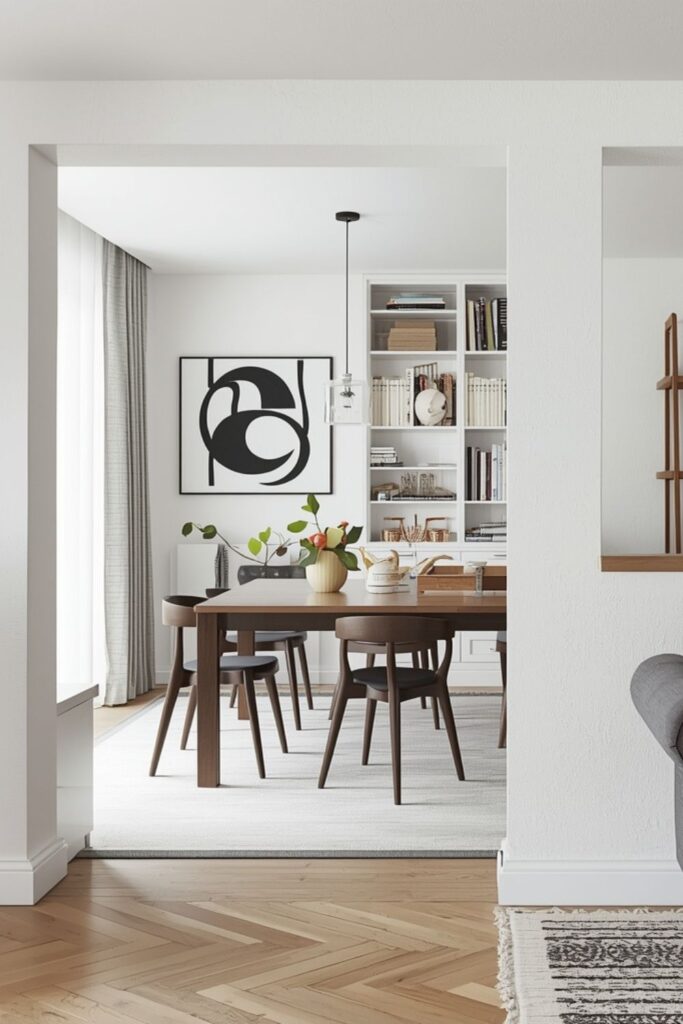
One of the biggest issues with a combined living-dining space is how sound moves freely. Conversations, television noise, phone calls, and kitchen activity often overlap, making it hard to focus or relax. What was meant to feel open can quickly feel chaotic during busy hours.
Modern homes now prefer layouts where sound can be controlled better. Sliding partitions, partial walls, or separate dining nooks allow families to enjoy shared spaces without constant noise interference. This balance helps each area serve its purpose more comfortably.
2. Lack of Visual Calm
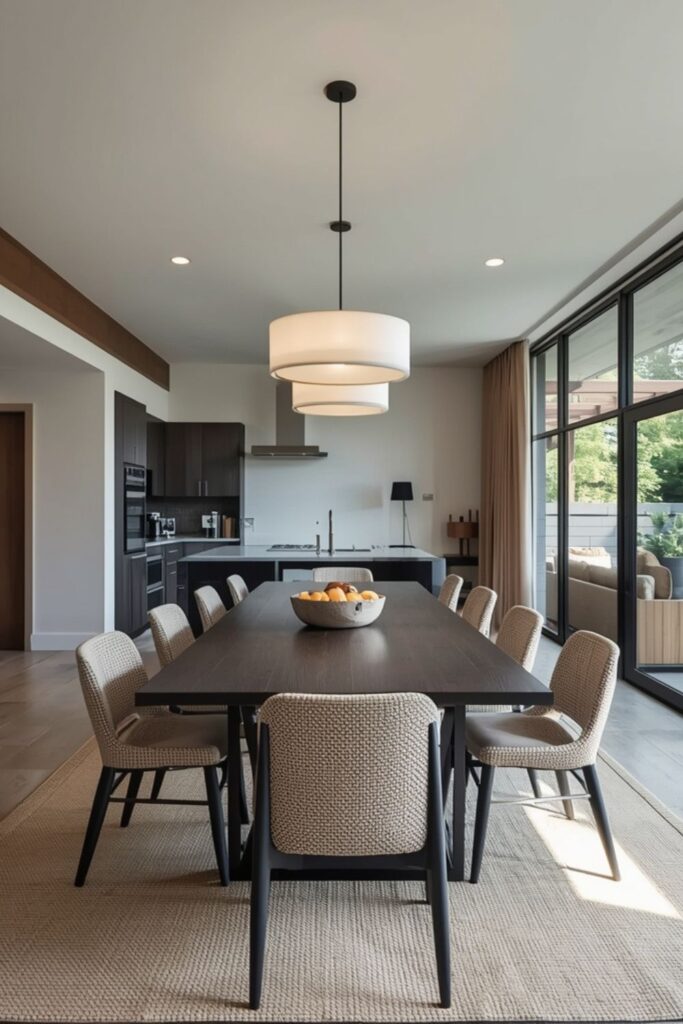
When the living and dining areas share one open zone, everything is always on display. Dining chairs, table clutter, and serving items become part of the living room view, even when guests are over. This often creates a sense of visual mess, no matter how tidy the home is.
Instead, modern homes lean toward subtle separation. A half wall, shelving divider, or change in flooring helps define zones. These small breaks create visual order without making spaces feel boxed in.
3. Different Activities, One Awkward Space
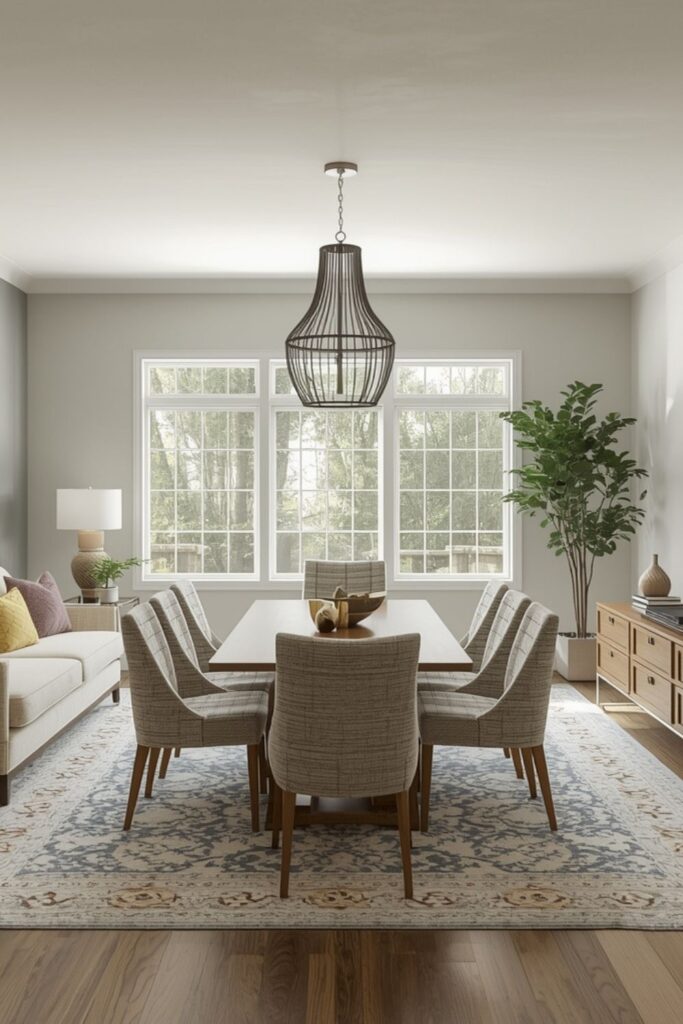
Living rooms and dining rooms serve very different functions. One is for relaxing, the other for eating and hosting. When combined, neither space fully works the way it should, especially during overlapping activities like dinner time and TV time.
Newer home layouts focus on activity-based zoning. Even within compact homes, designers now create dedicated corners for dining. This helps each space feel intentional rather than compromised.
4. Harder to Control Smells
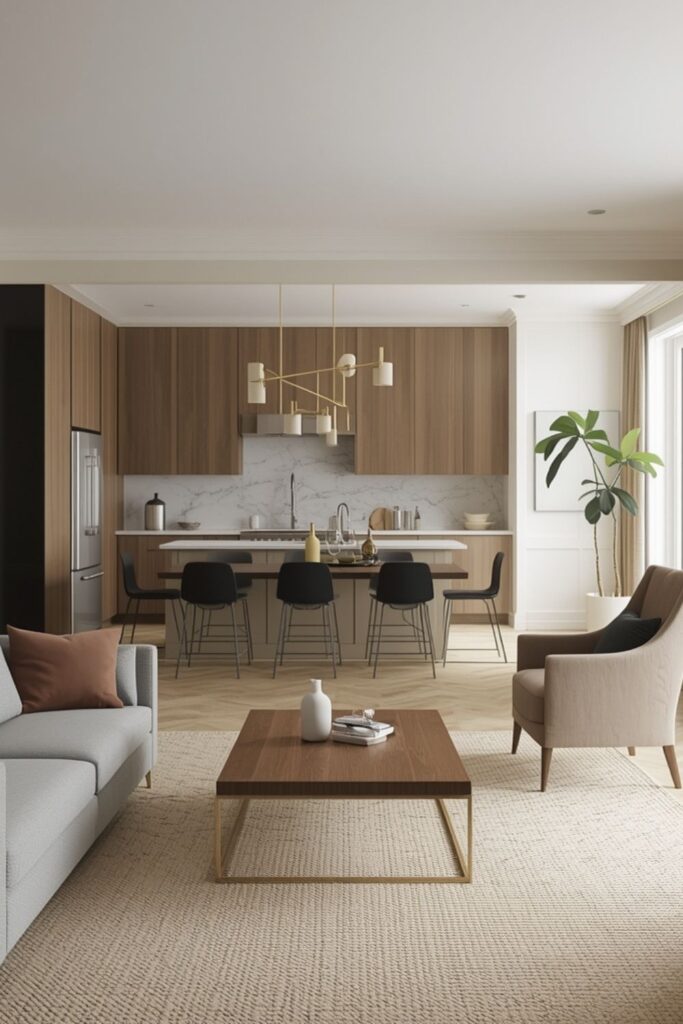
Food smells spreading into the living area is another common complaint. Even with good ventilation, cooking aromas tend to linger on sofas, curtains, and cushions when everything shares the same space.
Modern homes respond by creating better separation between eating and lounging areas. Enclosed or semi-enclosed dining spaces help keep the living room feeling fresh and comfortable throughout the day.
5. Privacy Feels Reduced
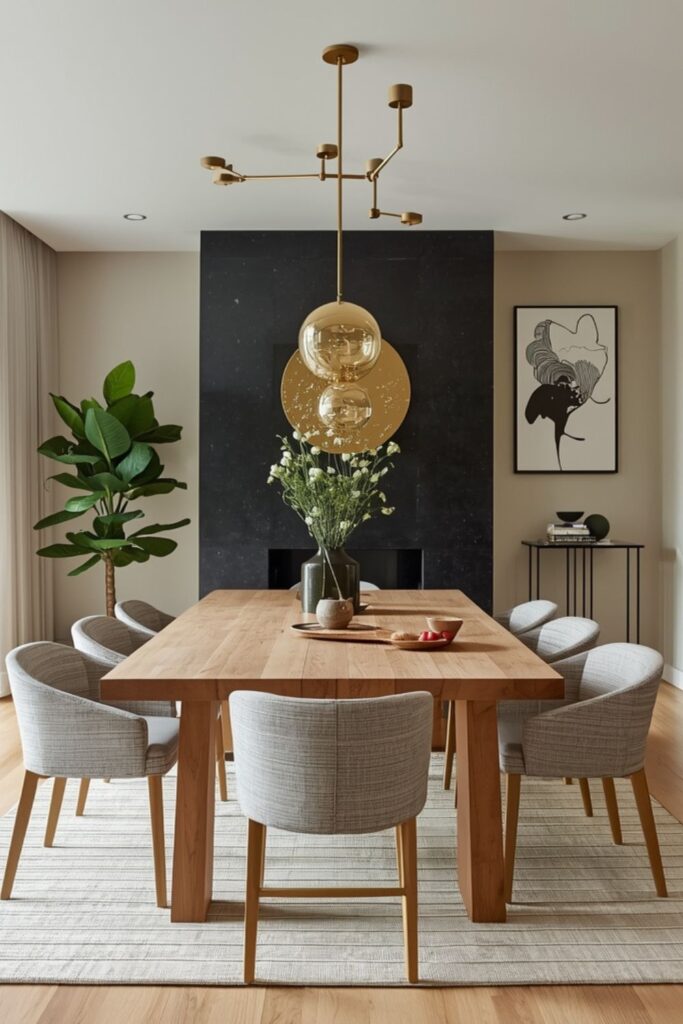
In a combined setup, there’s very little personal or social privacy. Guests at the dining table can hear private phone calls, while someone relaxing in the living area feels constantly observed.
Homes today prioritize flexible privacy. Movable screens, glass partitions, or layout offsets allow families to adjust openness depending on the moment, rather than being stuck with one rigid setup.
6. Furniture Placement Becomes Tricky
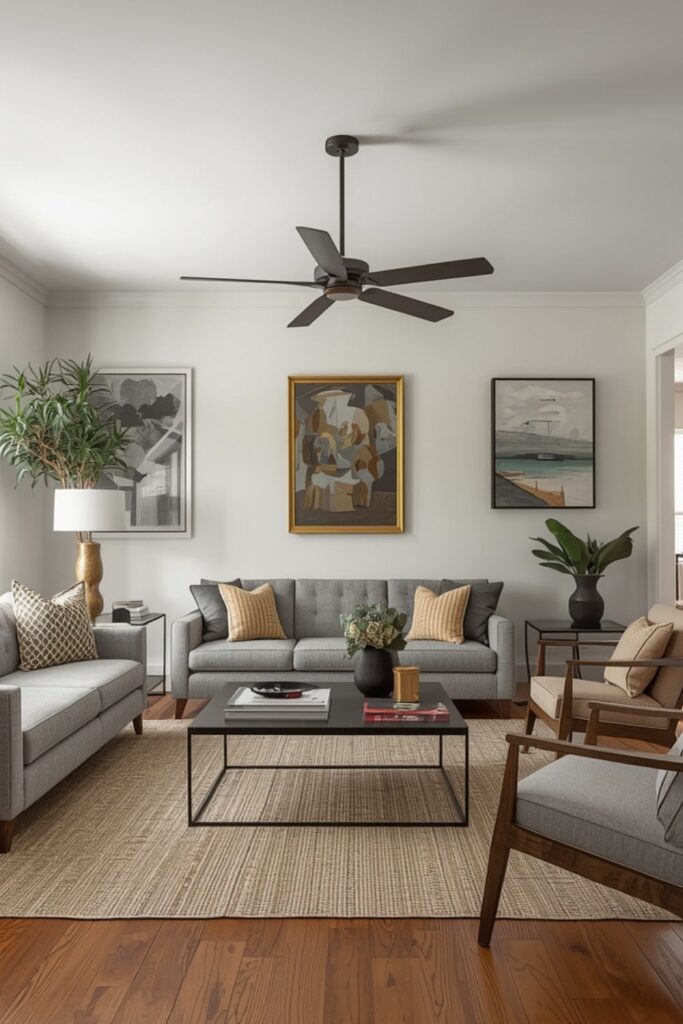
Arranging furniture in a living-dining room often feels like solving a puzzle. Sofas, dining tables, and storage units compete for space, leading to awkward gaps or cramped walkways.
Modern homes prefer clearly defined furniture zones. This allows better circulation and more natural furniture placement, making rooms feel larger and more comfortable without adding extra square footage.
7. Entertaining Gets Complicated
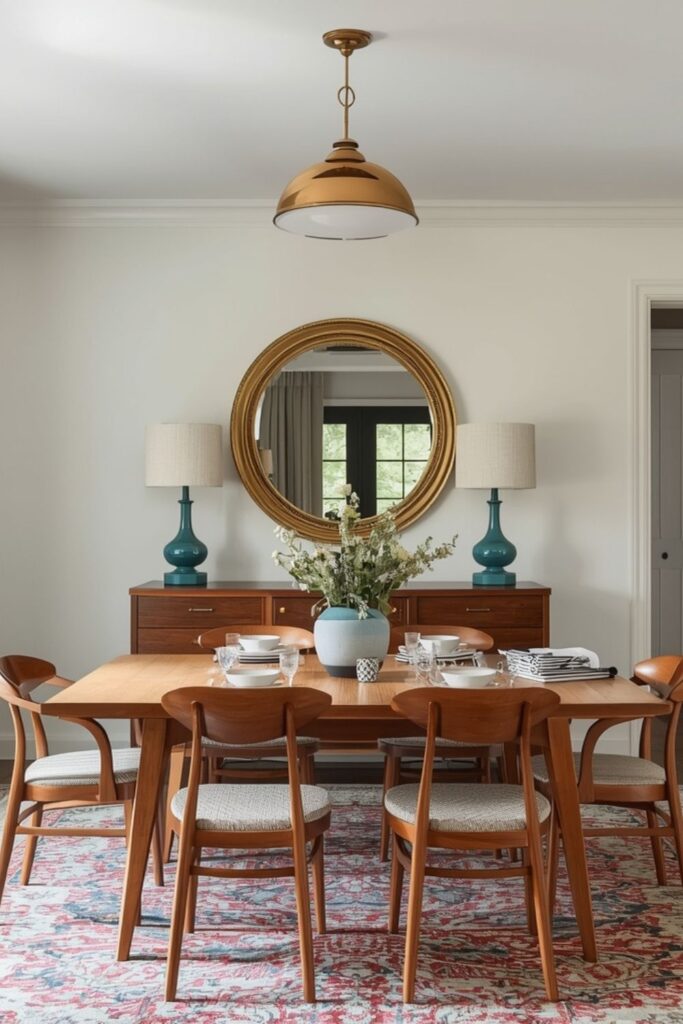
When guests come over, hosting becomes slightly stressful in open living-dining spaces. Conversations mix, serving feels disruptive, and there’s no clear transition between welcoming guests and dining with them.
New layouts bring back a sense of flow. A separate or semi-separated dining area creates a natural rhythm for entertaining, making hosting feel smoother and less forced.
8. Work-From-Home Changed Everything
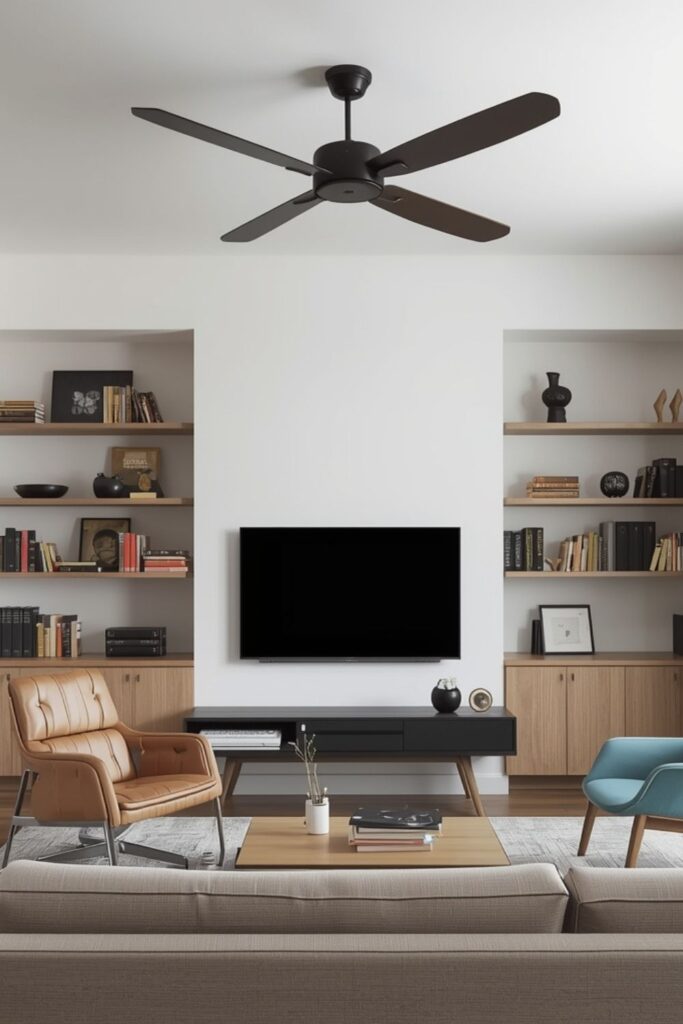
With remote work becoming common, the living room often doubles as a workspace. Adding dining activity to the same zone increases distractions and reduces productivity.
Modern homes now plan with flexibility in mind. Designers create multi-use spaces but with boundaries, ensuring work, meals, and relaxation don’t constantly clash.
9. Storage Always Falls Short
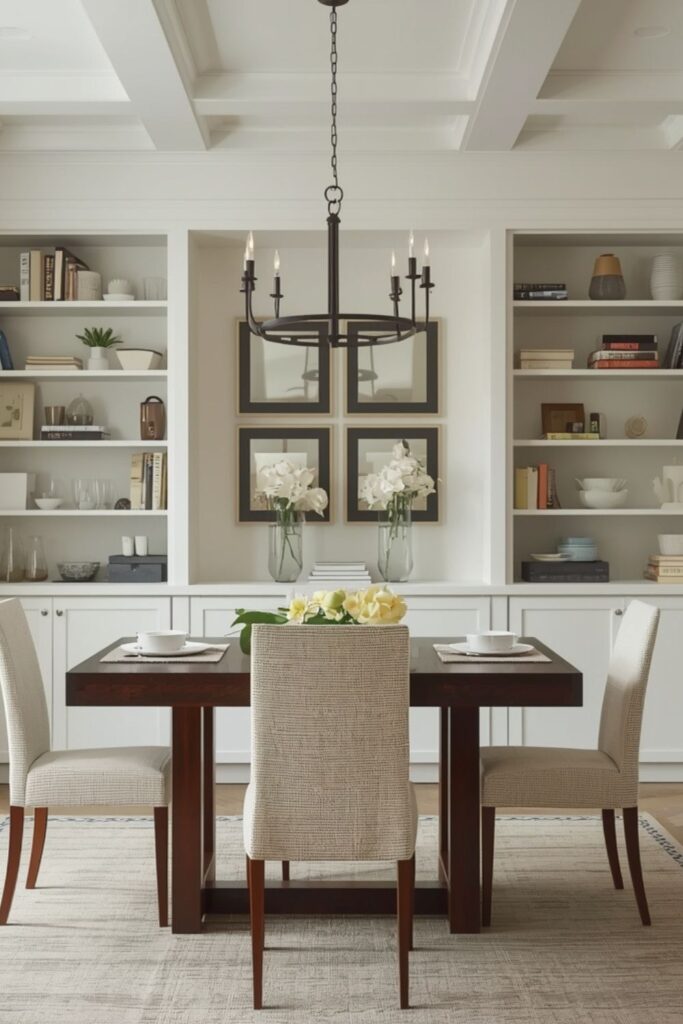
Living-dining rooms often lack sufficient storage for both areas. Dining essentials and living room items end up sharing cabinets, leading to cluttered storage and poor organization.
Homes today focus on built-in, purpose-specific storage. Separate zones allow storage to be planned properly, keeping daily items accessible without overwhelming the space.
10. Cultural and Lifestyle Shifts
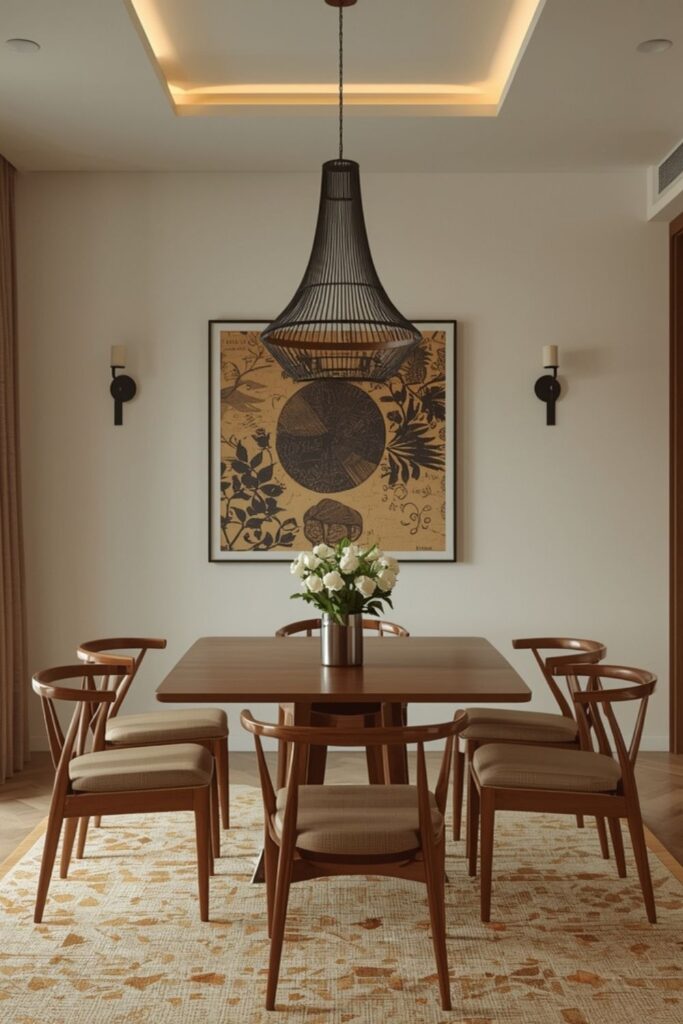
In many households, especially in India, meals remain an important ritual. Eating deserves its own space, away from television noise and casual distractions.
Modern homes reflect this shift by reintroducing dedicated dining areas. Even small dining corners help preserve the experience of shared meals while still keeping layouts efficient.
11. People Want Emotional Separation
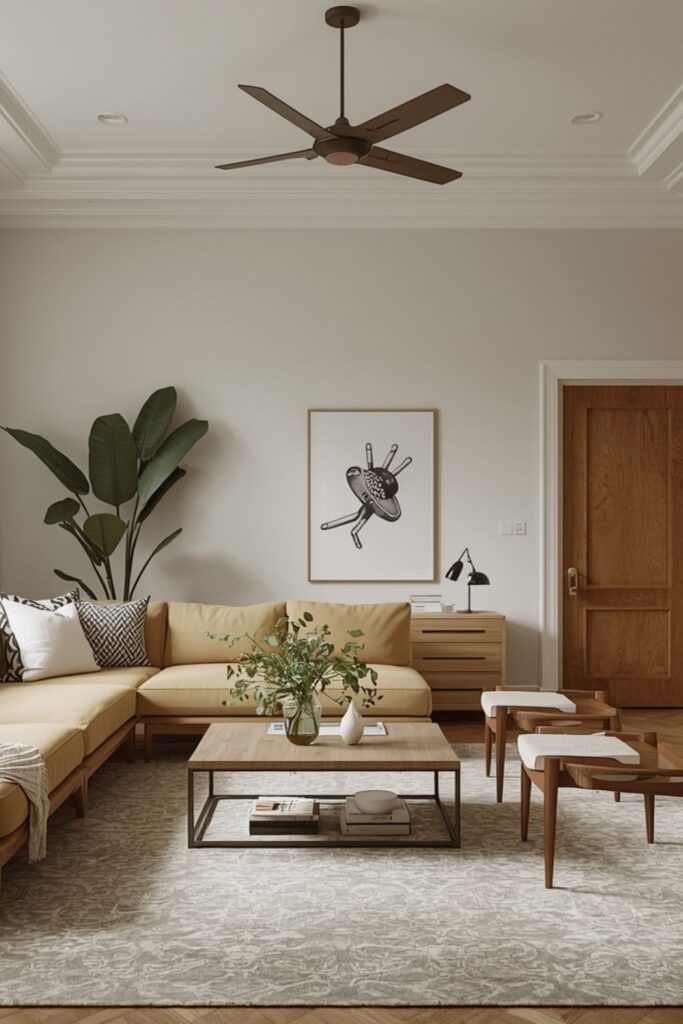
Beyond function, there’s an emotional side to home design. Living spaces are meant to help people unwind, while dining spaces carry a more active, social energy. Blending them can feel mentally tiring over time.
Current home design trends focus on emotional comfort. Light zoning, varied lighting, and subtle layout breaks help people mentally switch modes without leaving the room entirely.
Conclusion
Living-dining rooms are losing popularity not because they were a bad idea, but because lifestyles have changed. Homes are no longer just places to sit and eat; they are workspaces, social hubs, and personal retreats. Modern homes now prefer layouts that respect these roles with smarter zoning and flexible separation. The result is not less openness, but more thoughtful living that feels calmer, more functional, and easier to enjoy every day.
Explore More: 10 Bloxburg Kitchen Ideas That Look Modern, Aesthetic, and Functional