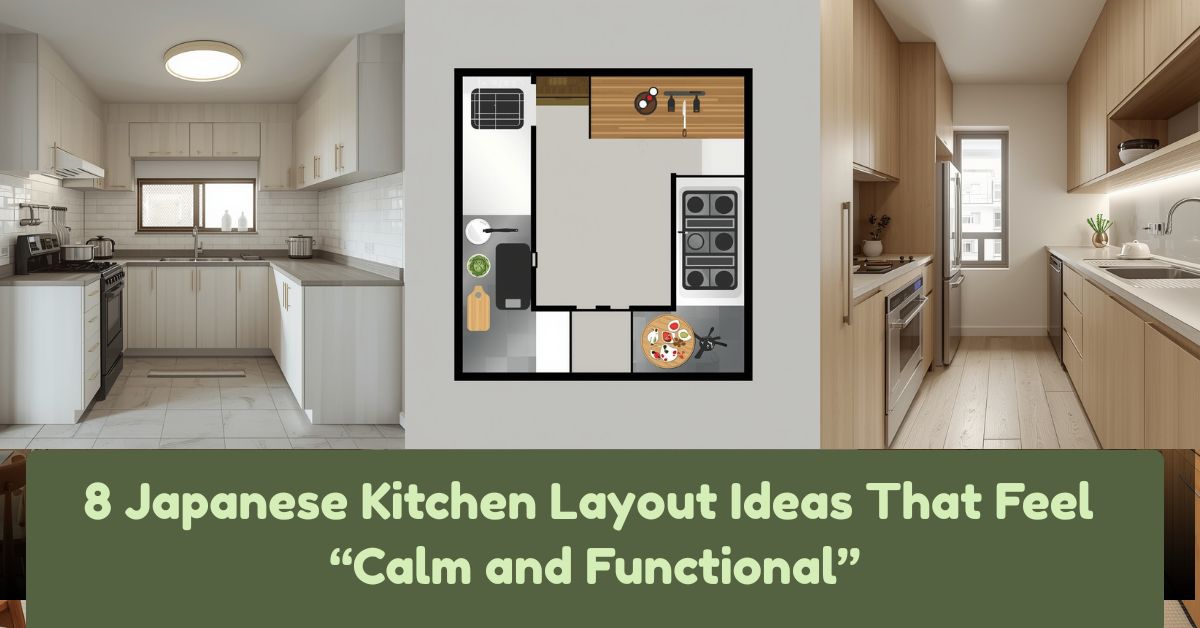
Japanese kitchen layout ideas are shaped by a quiet understanding of daily life. Rather than prioritising size or decorative impact, these layouts focus on movement, balance, and ease of use. In Japanese homes, the kitchen is not designed to impress at first glance but to support calm routines over time.
This philosophy works especially well for modern homes and small spaces. Whether it is an 8 foot kitchen design or a compact apartment layout, Japanese kitchen planning proves that functionality and comfort can coexist. Through thoughtful zoning, minimal circulation paths, and visual clarity, these kitchens feel composed even during busy moments.
These Japanese kitchen layout ideas explore layouts that feel calm and functional, answering common questions such as which kitchen layout is the most functional, how to make your kitchen feel homey, and how simple rules like the 3×4 kitchen rule guide efficient planning.
8 Japanese Kitchen Layout Ideas That Feel Calm and Functional
Table of Contents
1. I-Shaped Layout for Quiet Efficiency
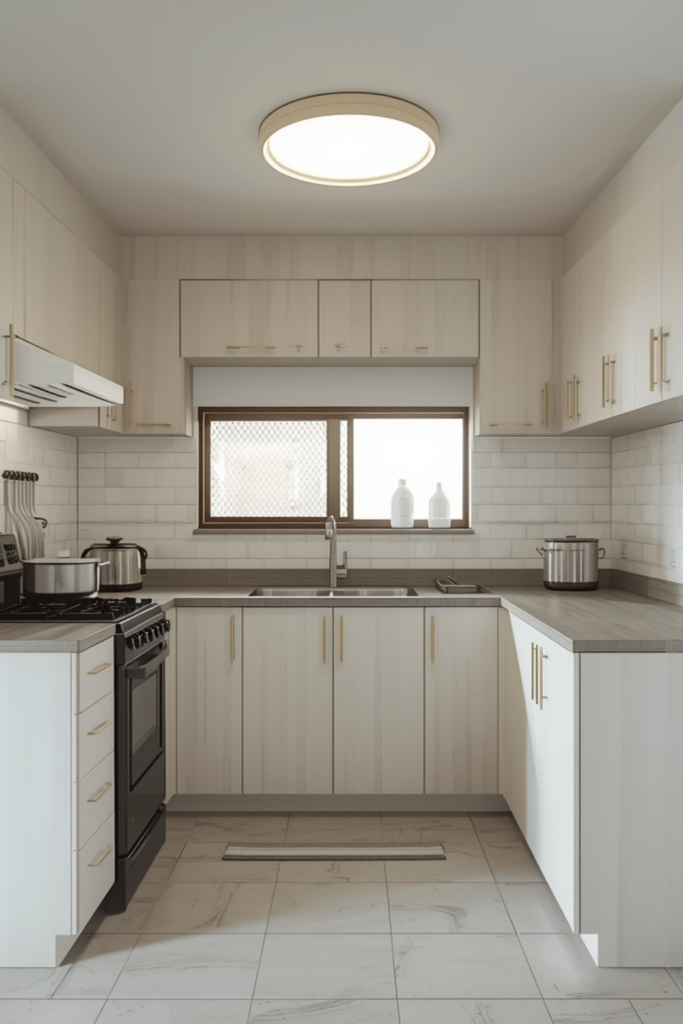
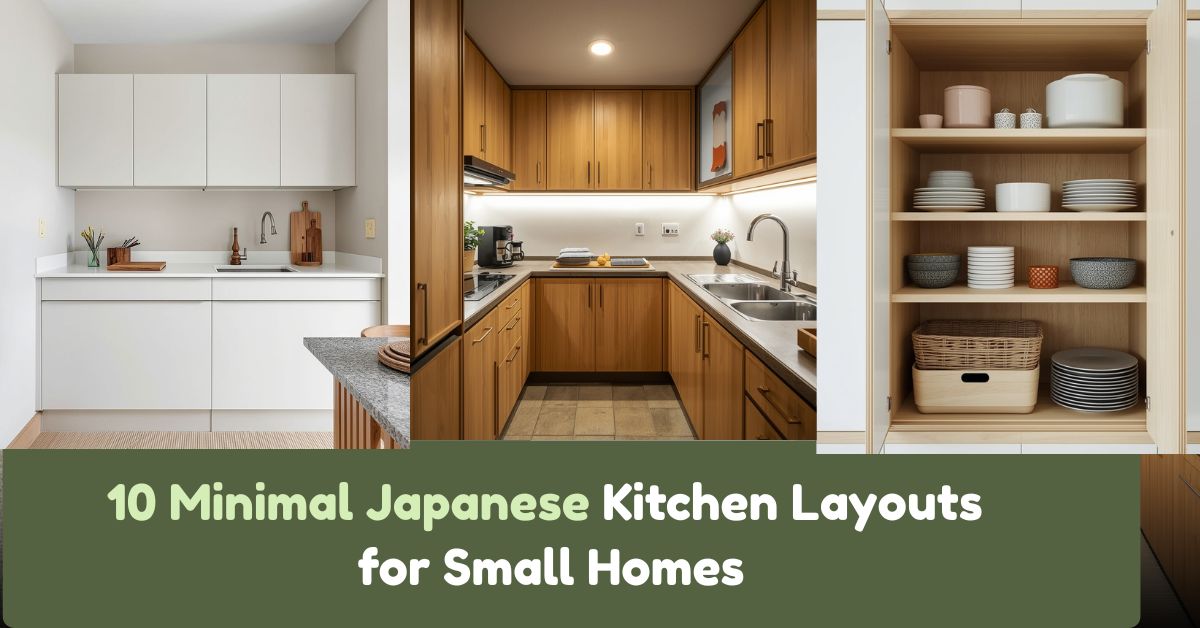
The I-shaped kitchen is one of the most functional Japanese kitchen layout ideas, especially for small space homes. All work zones are arranged along a single wall, reducing unnecessary movement and visual clutter.
This layout works well in 8 foot kitchen design settings, where space is limited but daily cooking remains essential. With everything aligned, the kitchen feels orderly and easy to manage, supporting calm routines rather than rushed motion.
2. Compact L-Shaped Layout for Balanced Workflow
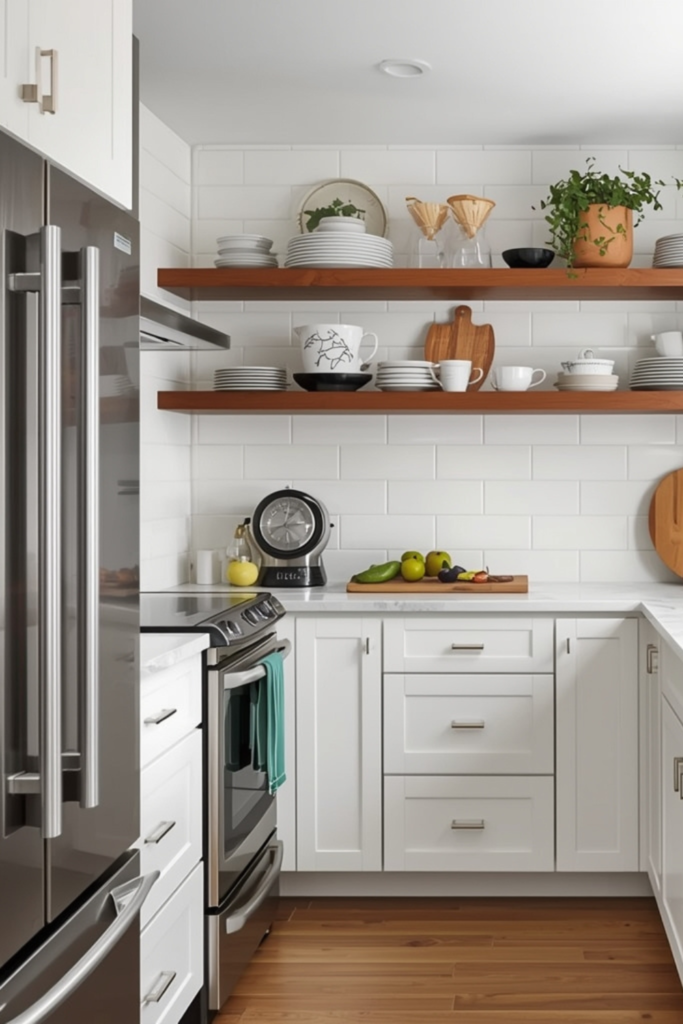
An L-shaped layout creates a natural flow between preparation, cooking, and cleaning areas. In Japanese kitchens, this layout is kept compact to maintain clarity rather than expand outward.
This approach answers the question of which kitchen layout is the most functional for small spaces. By using two connected walls, the kitchen supports efficient work without overwhelming the room, making it ideal for apartments and narrow floor plans.
3. Galley Layout That Encourages Focus

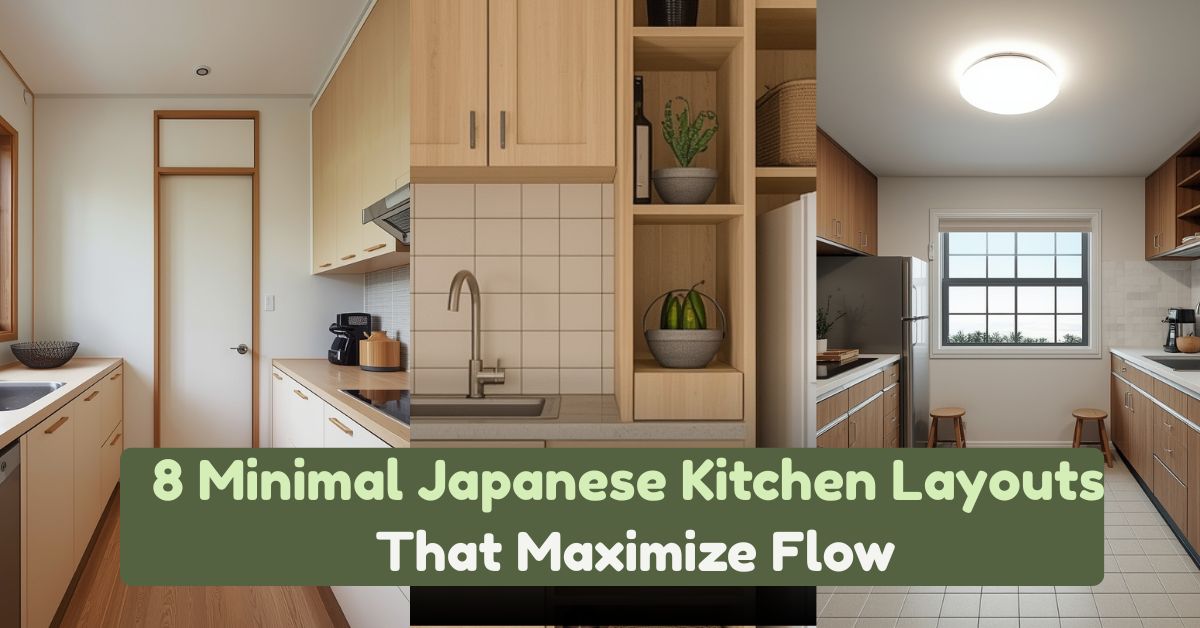
Galley kitchens are common in Japanese apartment design because they support focus and efficiency. With work zones facing each other, movement stays linear and purposeful.
In small space kitchens, this layout reduces distractions and supports smooth task transitions. When designed with light colors and minimal cabinetry, the galley layout feels calm rather than confined.
4. U-Shaped Layout for Defined Zones
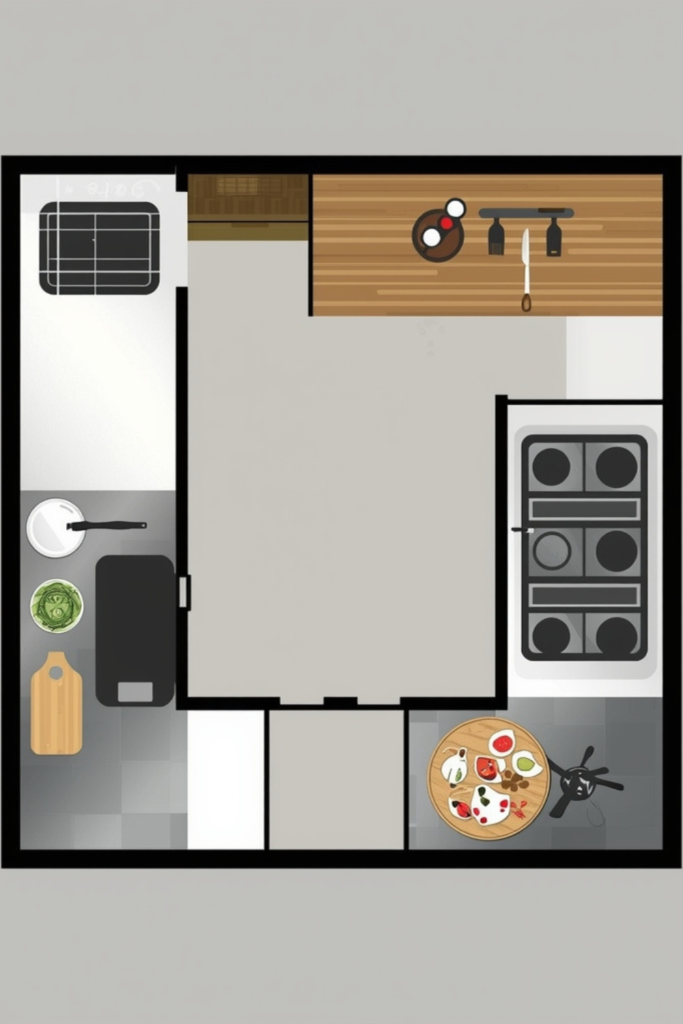
A compact U-shaped layout creates clear boundaries for cooking, washing, and preparation. Japanese kitchen layout ideas often use this structure in slightly larger spaces where functionality takes priority.
By keeping the U-shape tight, the kitchen avoids wasted movement while offering ample counter space. This layout supports daily cooking needs without introducing visual complexity.
5. Peninsula Layout That Feels Open Yet Controlled

A peninsula layout offers a soft separation between the kitchen and living area. Unlike large islands, a peninsula keeps the kitchen connected while maintaining order.
This design is often used when homeowners want to make their kitchen feel homey without clutter. The peninsula becomes a functional anchor rather than a decorative statement, supporting both cooking and casual interaction.
6. One-Wall Kitchen With Smart Vertical Planning

Japanese kitchen layout ideas for small space often rely on vertical efficiency rather than expansion. A one-wall kitchen paired with well-planned storage keeps the footprint minimal.
This layout respects the 3×4 kitchen rule, ensuring that movement and reach remain comfortable. By keeping storage streamlined and accessible, the kitchen feels calm even during frequent use.
7. Minimal Island Layout for Gentle Interaction
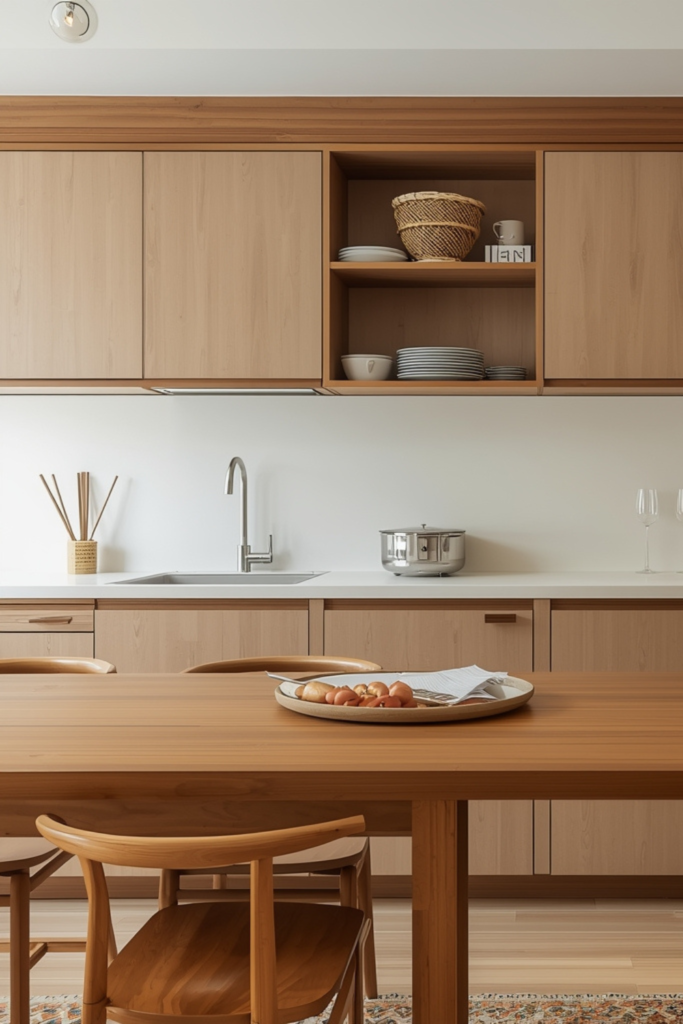
In Japanese design, kitchen islands are modest and functional. When used, they are scaled carefully to avoid dominating the space.
A small island supports preparation and light dining without interrupting flow. In an 8 foot kitchen design, this approach ensures that the island enhances usability rather than reducing openness.
8. Hybrid Layout Adapted to Daily Routine

Rather than following strict rules, many Japanese kitchens use hybrid layouts adapted to lifestyle. A combination of I-shaped counters, compact peninsulas, or flexible storage creates a kitchen that responds to real habits.
This adaptability makes the kitchen feel both calm and functional. When layout decisions reflect daily use, the space naturally feels more comfortable and homey.
FAQ: Japanese Kitchen Layout Ideas
Q1. Which kitchen layout is the most functional?
Layouts with minimal movement, such as I-shaped or compact L-shaped kitchens, are considered most functional in Japanese design.
Q2. How do Japanese kitchens feel calm even in small spaces?
They focus on simple layouts, clear zoning, and minimal visual clutter rather than size or decoration.
Q3. What is the 3×4 kitchen rule?
It refers to maintaining comfortable reach and movement zones, ensuring tasks can be completed efficiently within a compact footprint.
Q4. Are Japanese kitchen layouts suitable for apartments?
Yes. Japanese kitchen layout ideas are especially effective for apartments and small homes where space must be used carefully.
Conclusion
Japanese kitchen layout ideas show that calm and functionality come from thoughtful planning rather than scale. By reducing unnecessary movement, simplifying storage, and respecting daily routines, these layouts create kitchens that feel composed and practical.
Whether applied to a small apartment or an 8 foot kitchen design, Japanese layouts offer lasting comfort. Their quiet efficiency allows the kitchen to support everyday life without visual stress, making them timeless solutions for modern living.
Explore More: 10 Practical Japanese Kitchen Layout Ideas Without Overdesign