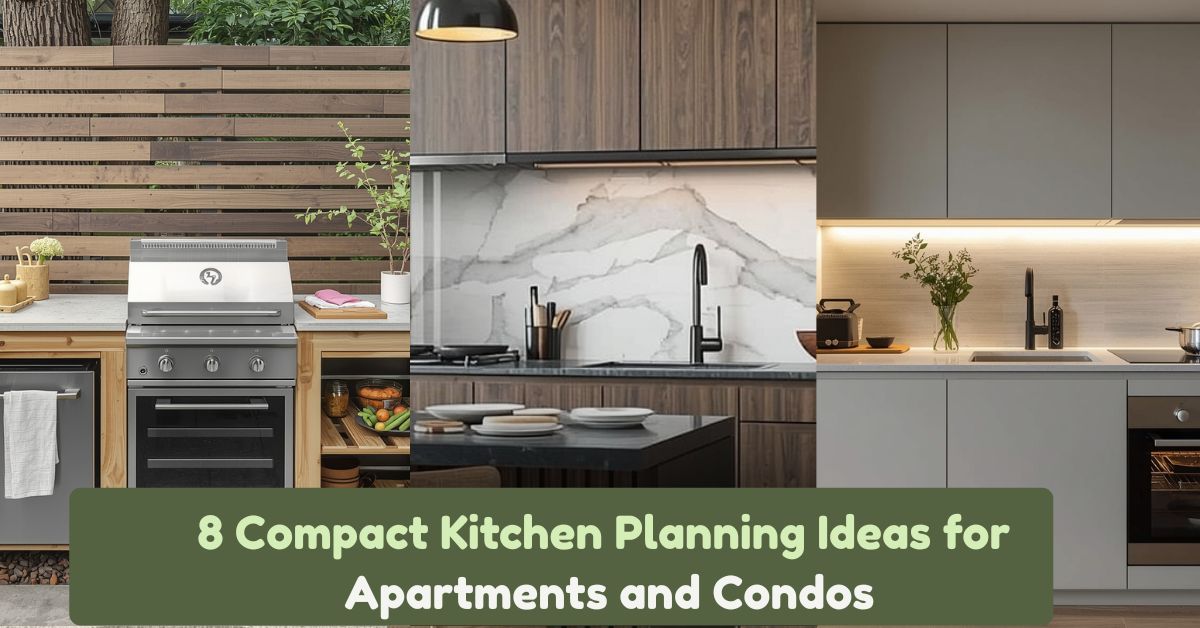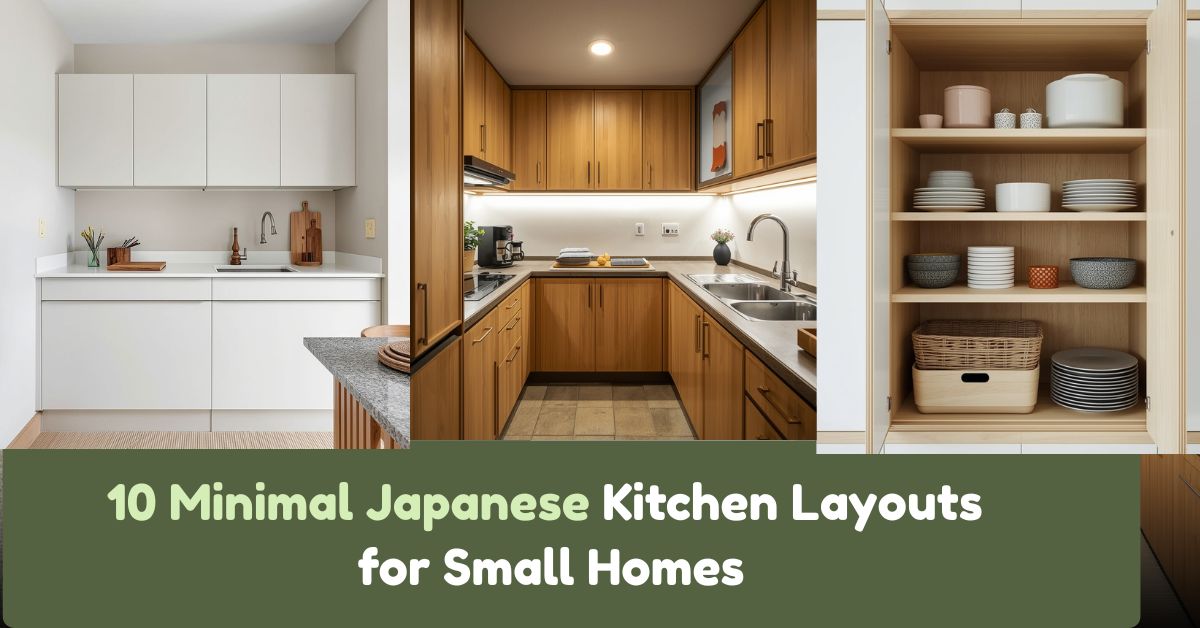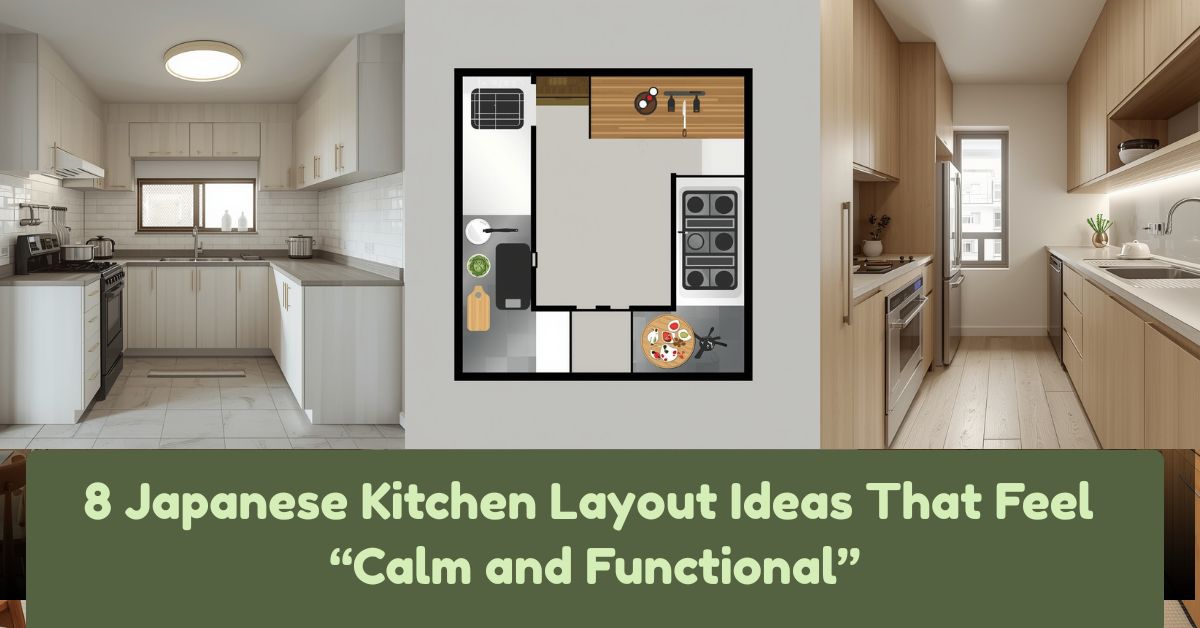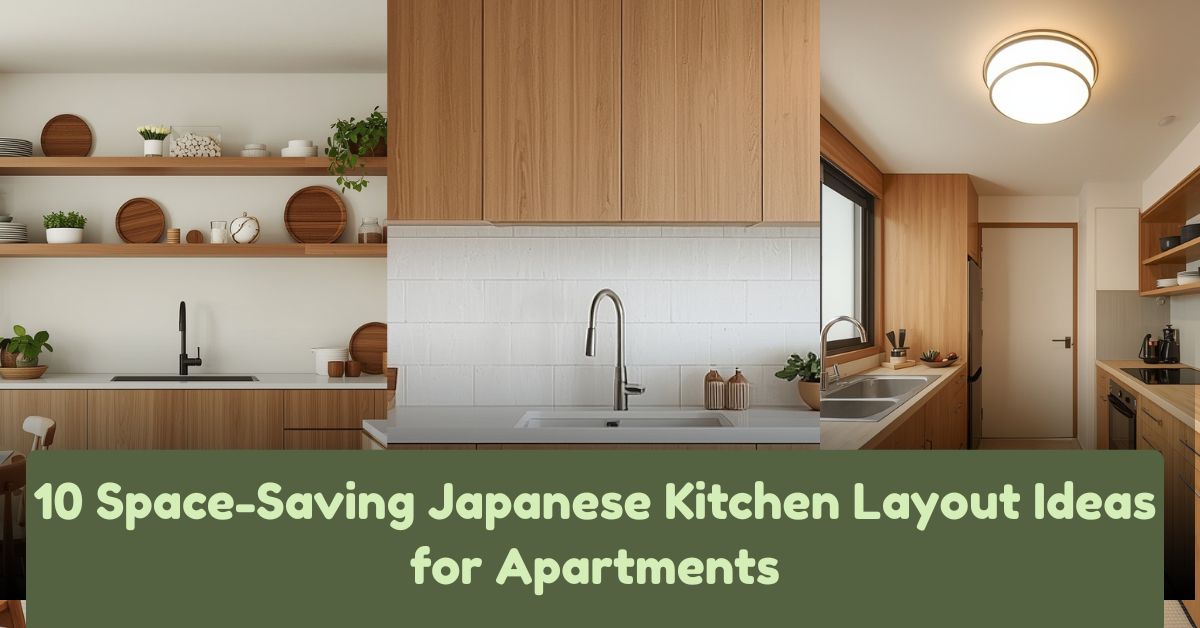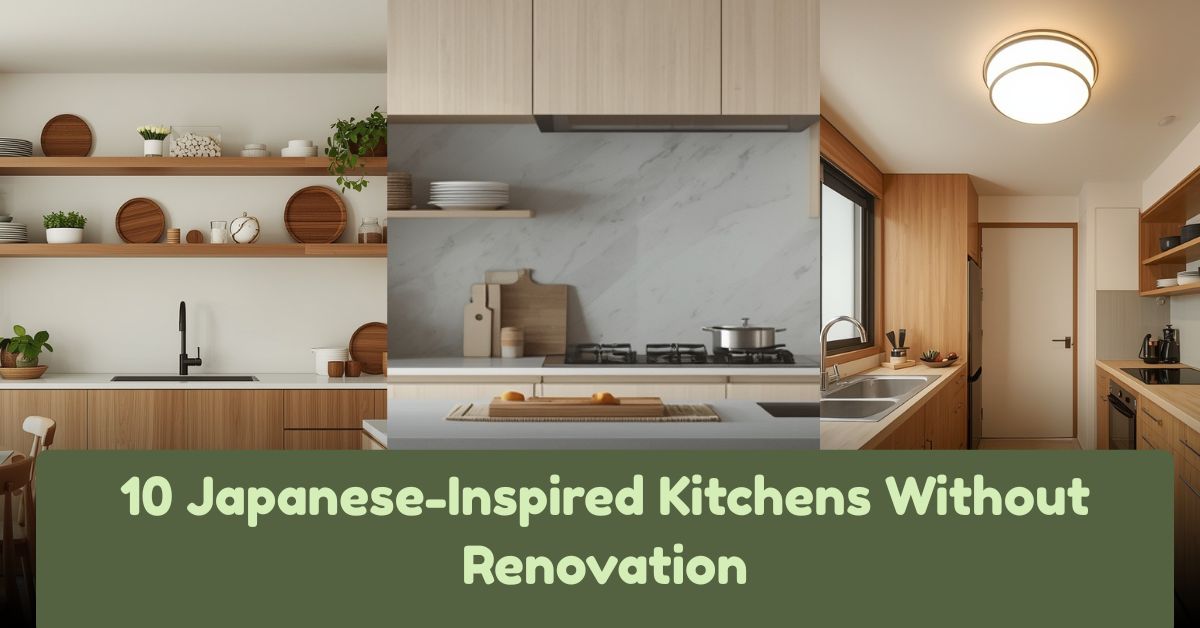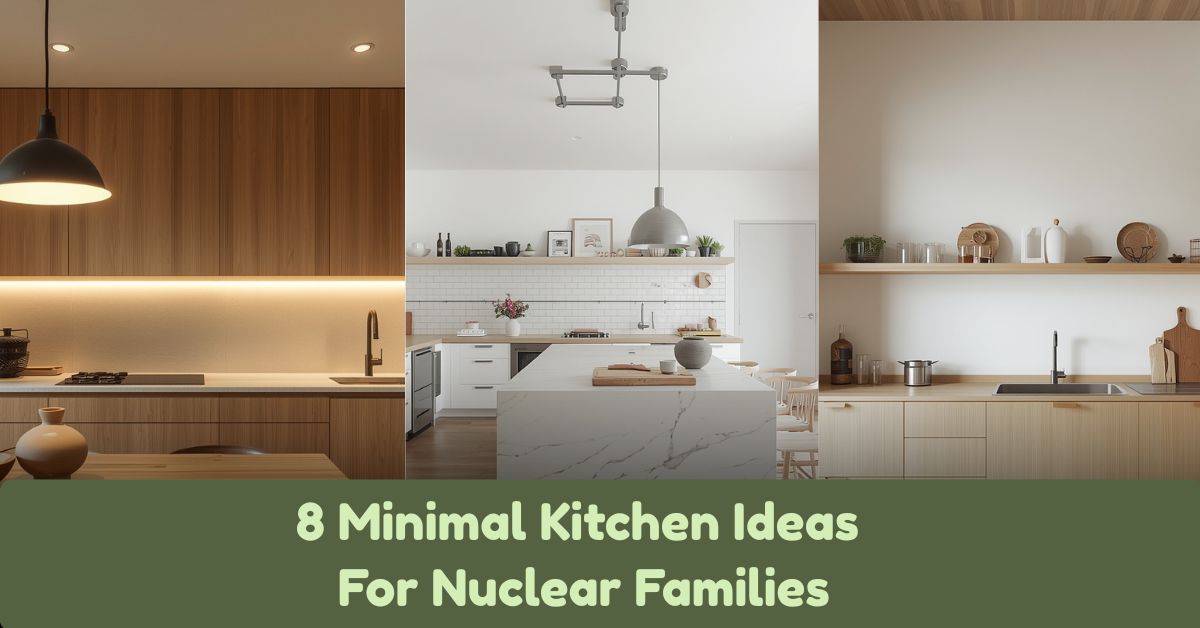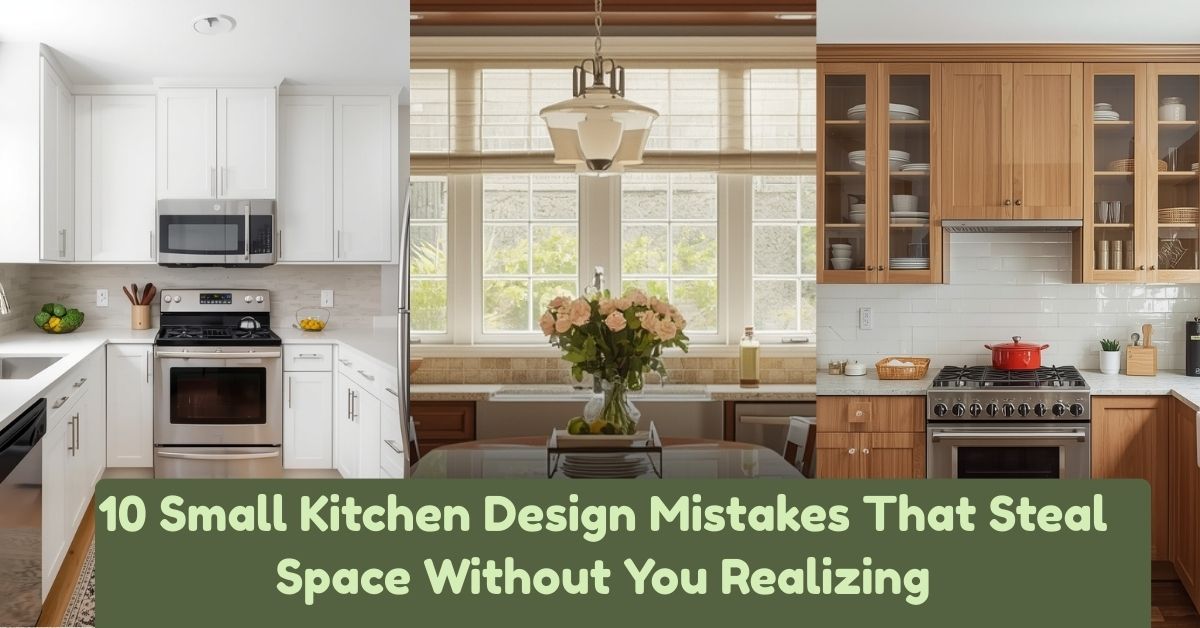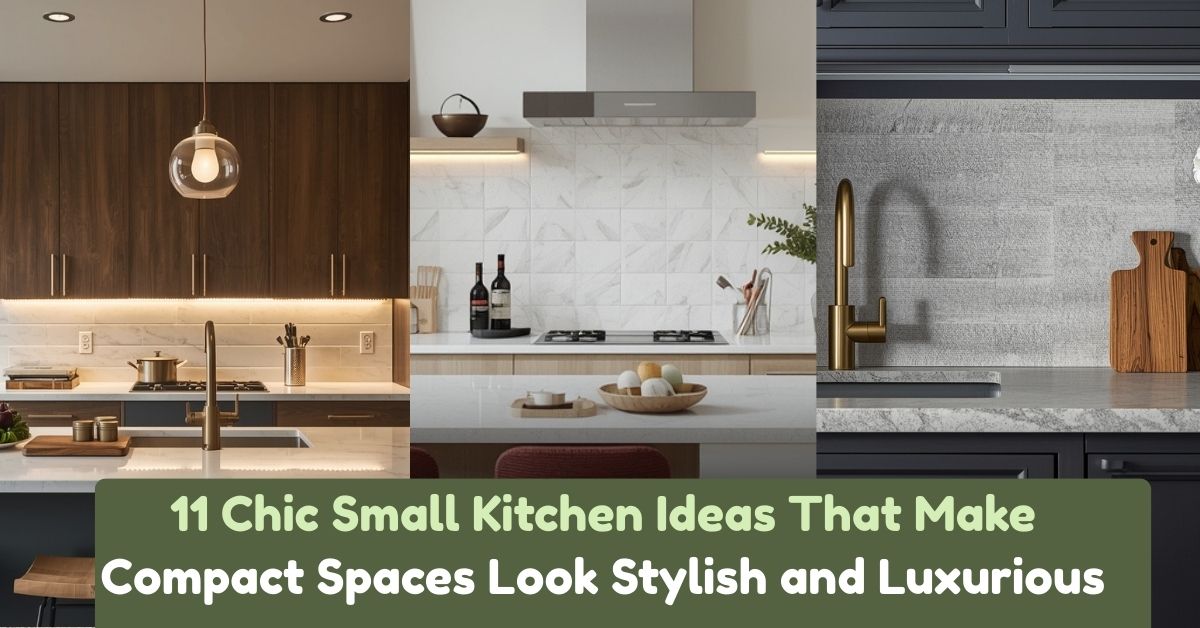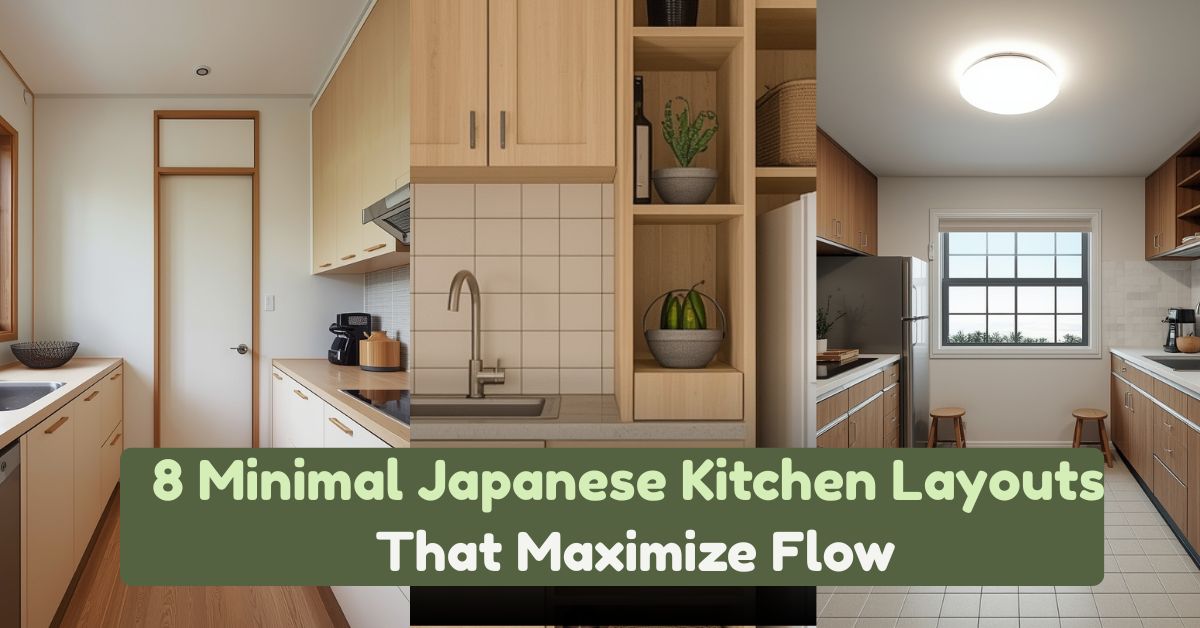
Minimal Japanese kitchen layouts are designed around one core idea: movement should feel natural, not forced. Instead of filling space with cabinets and appliances, Japanese kitchens prioritise flow—how you move, cook, clean, and reset the space every day. This approach makes them especially effective for small kitchens, short layouts, and compact homes, where efficiency matters more than size.
By combining thoughtful dimensions, clean cabinetry, and restrained materials, minimal Japanese kitchens create a calm environment that supports daily routines without visual or physical clutter.
8 Minimal Japanese Kitchen Layouts That Maximize Flow, Calm Everyday Living
Table of Contents
1. Single-Wall Layout with Clear Work Zones
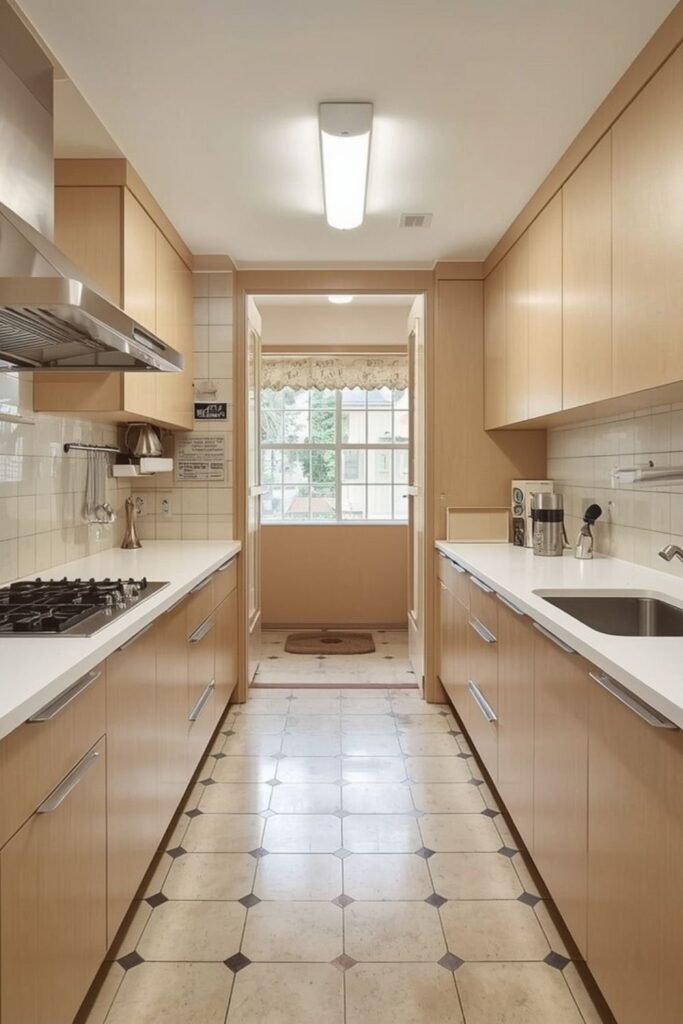
A single-wall Japanese kitchen layout keeps everything aligned in one uninterrupted line. Sink, cooktop, and prep areas are placed in logical sequence, reducing unnecessary steps.
This layout works best for studio apartments and narrow spaces where maintaining openness is essential. Minimal cabinetry and handle-less cabinets enhance visual flow.
2. Galley Layout with Balanced Symmetry
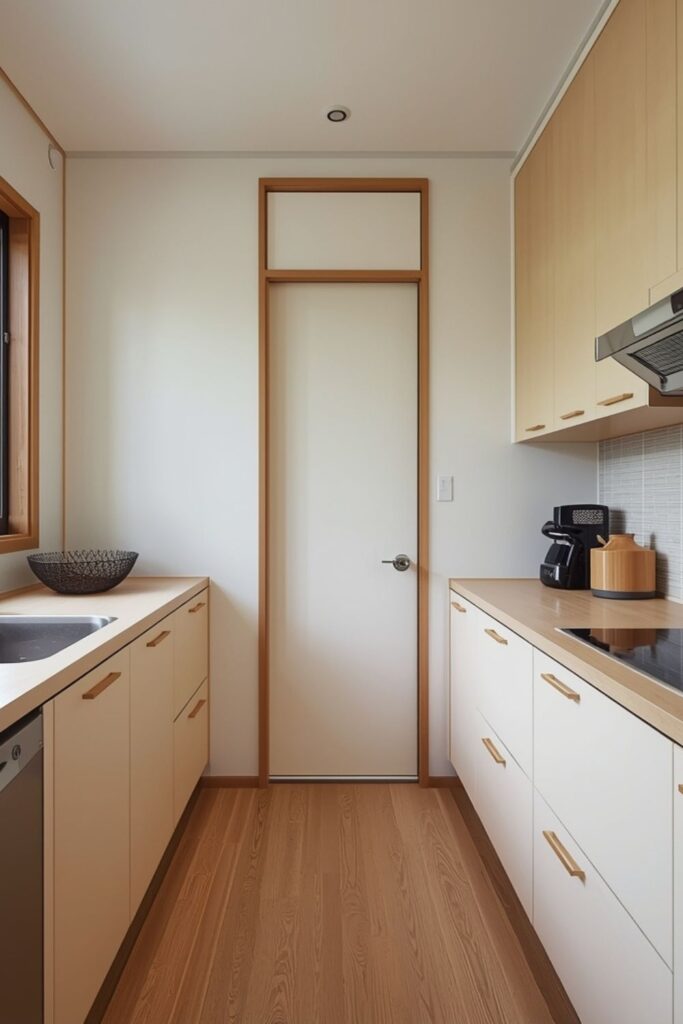
Japanese galley kitchens focus on symmetry and equal spacing. Cabinets on both sides are kept shallow to maintain easy movement through the center aisle.
This layout maximizes efficiency while maintaining calm, especially in long, narrow kitchens where traditional designs can feel cramped.
3. L-Shaped Layout for Natural Corner Use
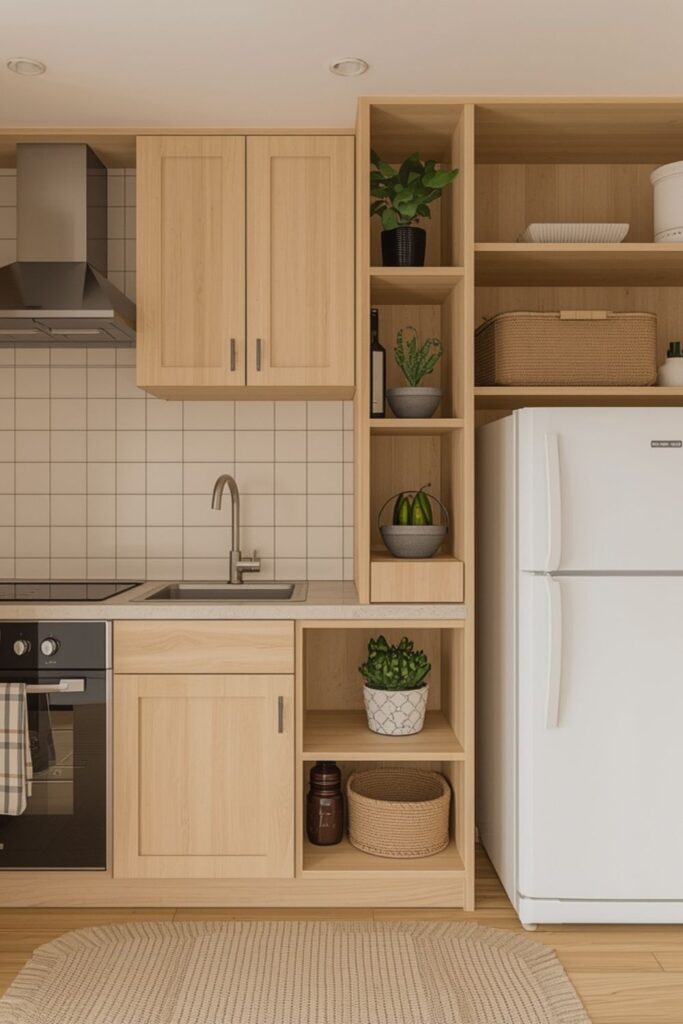
The L-shaped minimal Japanese kitchen uses corners intelligently without overcrowding them. Appliances are placed along the longer wall, while the shorter section is kept visually light.
This layout improves flow by keeping the central area open, making it ideal for small kitchens that still need storage flexibility.
4. Compact U-Shaped Layout with Open Ends
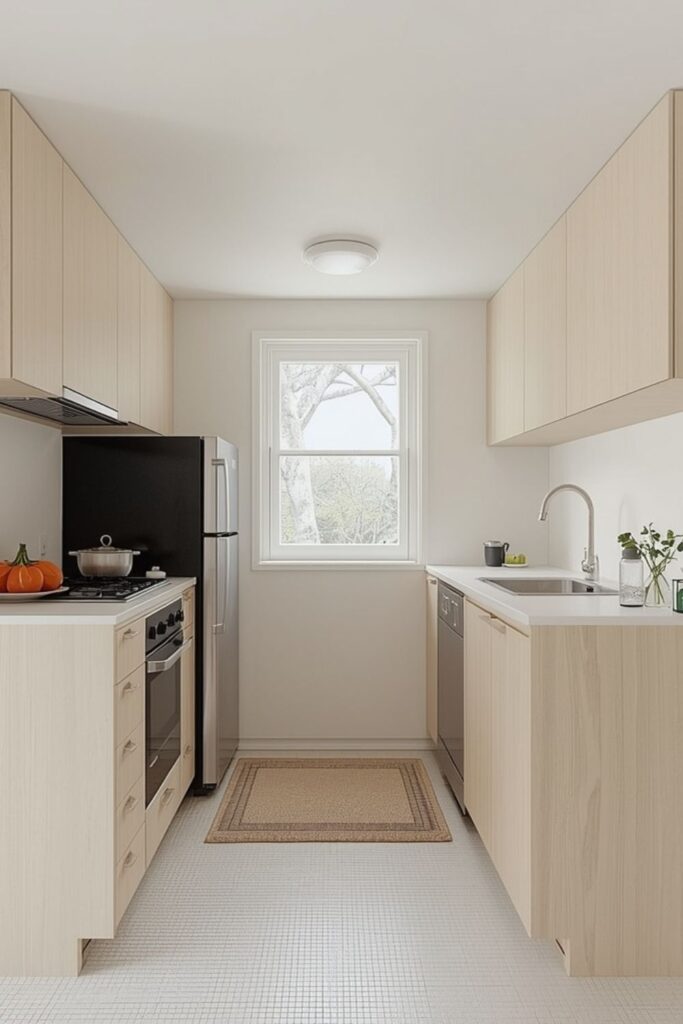
Unlike conventional U-shaped kitchens, Japanese versions keep one side open or visually light. Open shelving or low cabinets prevent the space from feeling enclosed.
This layout supports efficient movement between sink, stove, and refrigerator while maintaining a calm atmosphere.
5. Peninsula Layout for Soft Separation
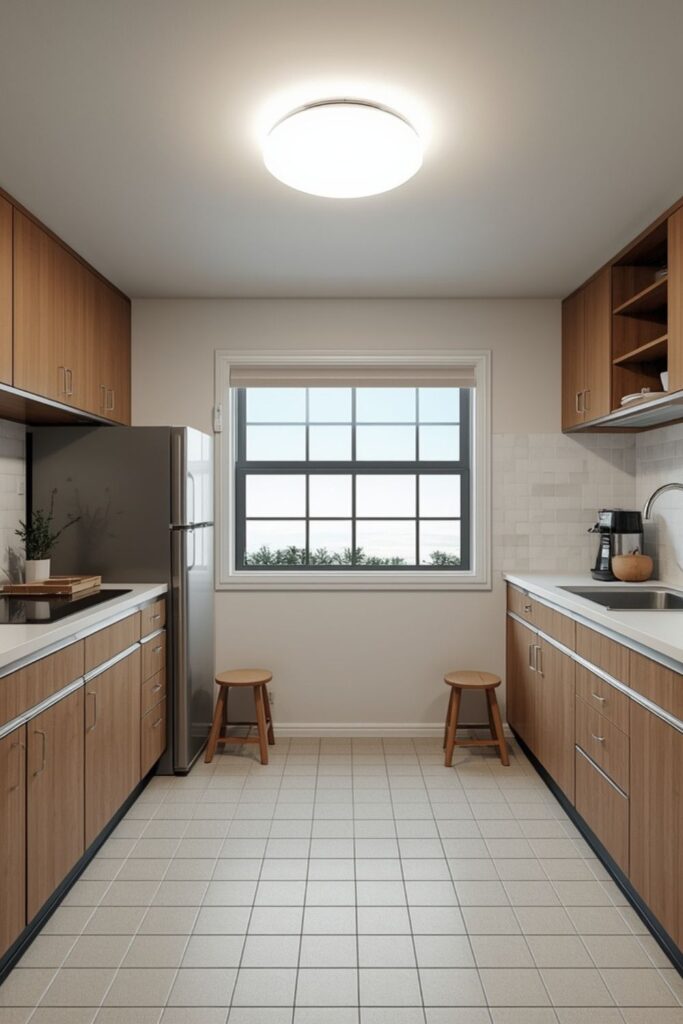
A peninsula layout subtly separates the kitchen from living or dining areas without blocking flow. Japanese designs keep peninsulas slim and multifunctional.
It often doubles as a prep counter or dining surface, reducing the need for extra furniture.
6. Parallel Layout with Minimal Depth Cabinets
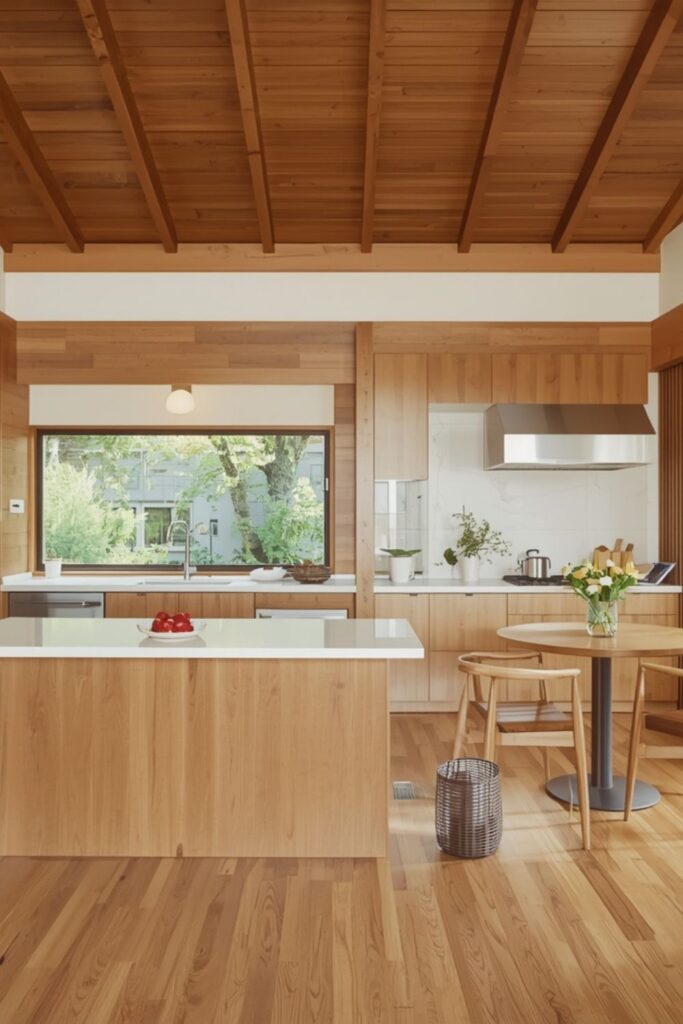
This layout uses two parallel counters but limits cabinet depth to avoid crowding. Japanese kitchens often use compact appliances to support this structure.
The result is a highly functional layout that still feels breathable and organized.
7. Island-Integrated Minimal Layout (Small Scale)
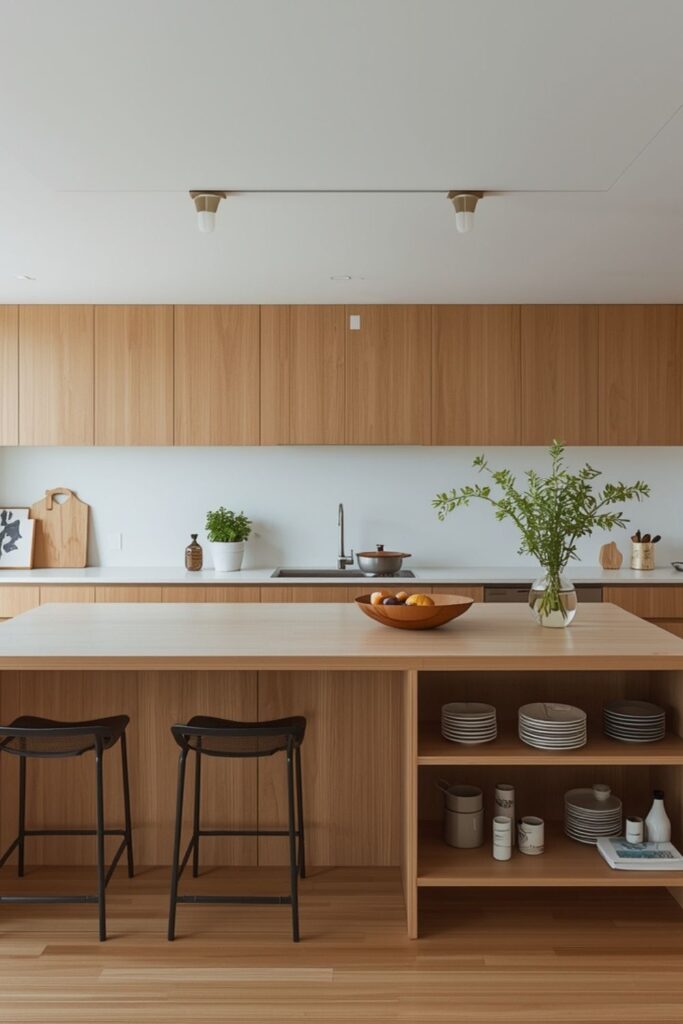
In Japanese kitchens, islands are kept compact and purposeful. Instead of storage-heavy islands, they function as prep zones or transition surfaces.
This layout improves flow by allowing movement around the kitchen rather than forcing linear circulation.
8. Open Kitchen Layout with Visual Continuity
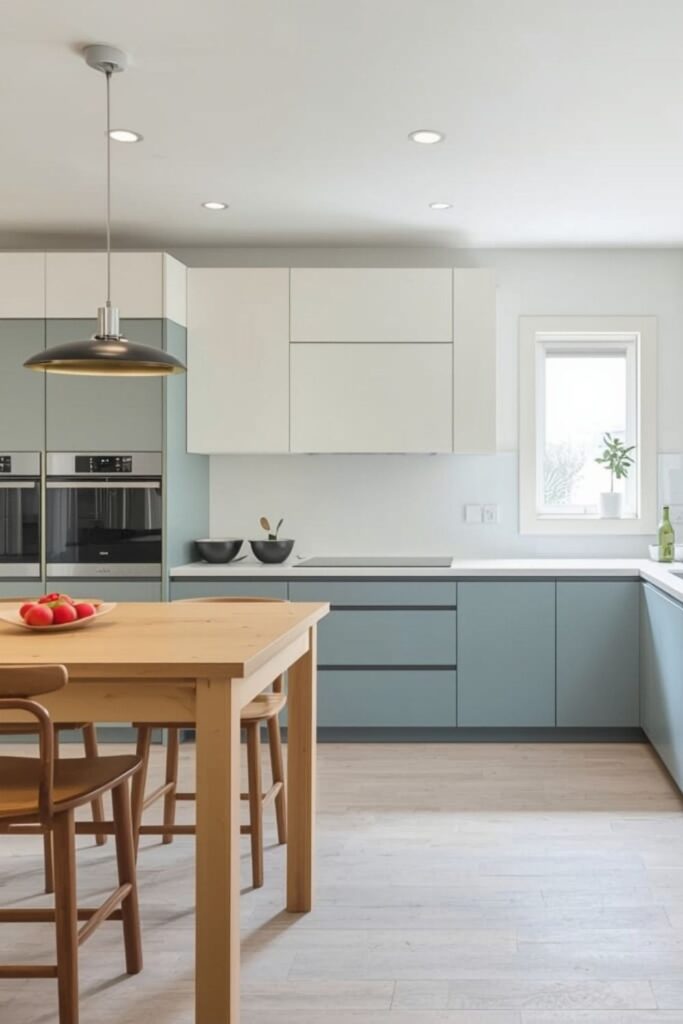
Open layouts in Japanese kitchens focus on continuity—matching materials, colors, and cabinet finishes across spaces.
This reduces visual breaks, making even small kitchens feel larger and more fluid while maintaining minimal aesthetics.
FAQs – Minimal Japanese Kitchen Layouts
Which Japanese kitchen layout is best for small spaces?
Single-wall and galley layouts work best for small kitchens as they reduce movement distance and keep circulation paths clear.
What are ideal dimensions for minimal Japanese kitchens?
Most layouts work efficiently within compact dimensions by using shallow cabinets and smaller appliances rather than expanding footprint.
Are Japanese kitchen layouts suitable for modern homes?
Yes. Their emphasis on flow, minimal cabinetry, and functional zoning makes them ideal for modern and contemporary homes.
Do Japanese kitchens use upper cabinets?
They are often limited or replaced with open shelving to reduce visual weight and improve flow.
Conclusion
Minimal Japanese kitchen layouts succeed not because they are small, but because they are intentionally designed. Every cabinet, surface, and pathway serves a purpose, allowing movement to feel smooth and unforced. By prioritizing flow over excess storage and calm over decoration, these layouts adapt beautifully to modern lifestyles and compact homes.
Whether you are designing a short kitchen, a narrow space, or a small apartment layout, Japanese minimalism offers a timeless framework that continues to work better as daily habits evolve. A kitchen that flows well today will remain functional, calming, and relevant for years to come.
Explore More: 10 Minimal Japanese Kitchen Layouts for Small Homes