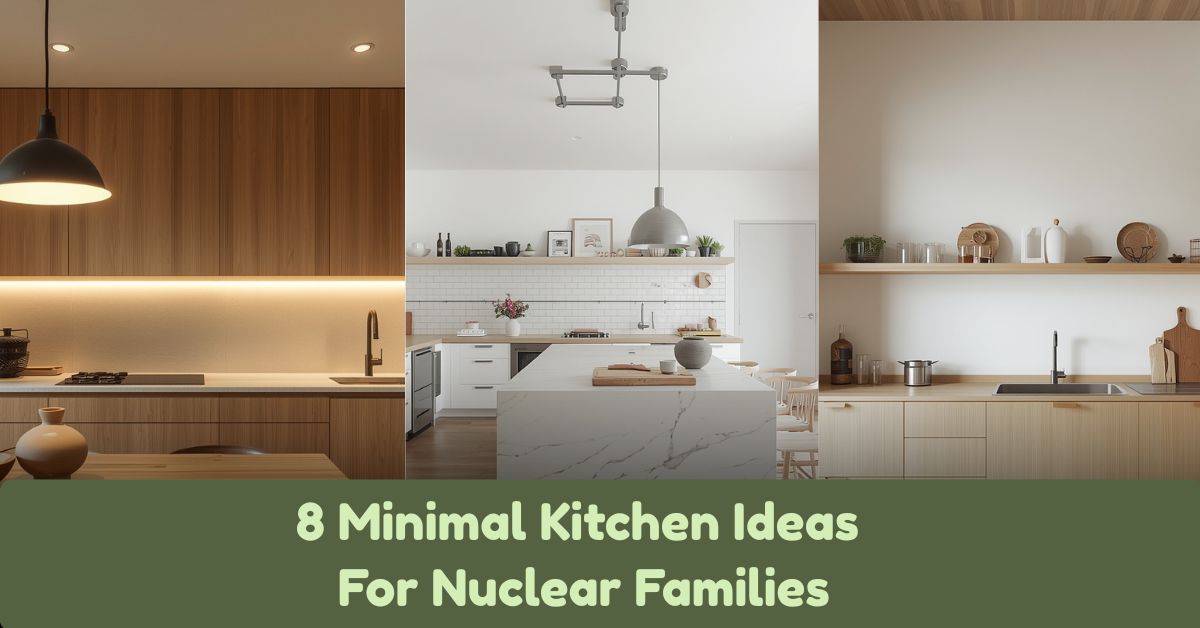
In many homes across the USA, Canada, the UK, Singapore, and Australia, the kitchen has quietly become more than a place to cook. It is where mornings begin gently, lunches are packed between conversations, and evenings settle into something slower and more human. For a nuclear family, the kitchen needs to feel calm, efficient, and welcoming without trying too hard. That balance is often found through thoughtful simplicity rather than constant upgrades.
Minimal Kitchen Ideas For Nuclear Families is not about emptiness or strict rules. It is about creating breathing room for everyday life, where each object has a reason to exist and each surface feels easy to live with. These 8 Minimal Kitchen Ideas For Nuclear Families focus on supporting modern family rhythms while keeping the visual mood soft and grounded. The emphasis stays on practical comfort, subtle design choices, and habits that quietly improve daily routines. Everything here is meant to feel achievable, lived-in, and reassuringly familiar.
8 Minimal Kitchen Ideas For Nuclear Families
Table of Contents
1. Designing Around Daily Family Flow

A well-planned kitchen begins with understanding how a family moves through the day. Breakfasts may be quick, dinners slower, and weekends more relaxed. When kitchen ideas are shaped around these natural patterns, the space begins to support life rather than interrupt it. Clear walkways, intuitive storage, and uncluttered counters help everyone move with ease, even during busy hours.
Minimal kitchen layouts work especially well for nuclear families because they reduce friction. Fewer visual distractions allow the eye to rest, while thoughtful placement of essentials keeps routines smooth. Leaving intentional space instead of filling every corner creates a calm that is felt immediately and continues to support daily life over time.
2. Choosing Materials That Feel Calm and Enduring
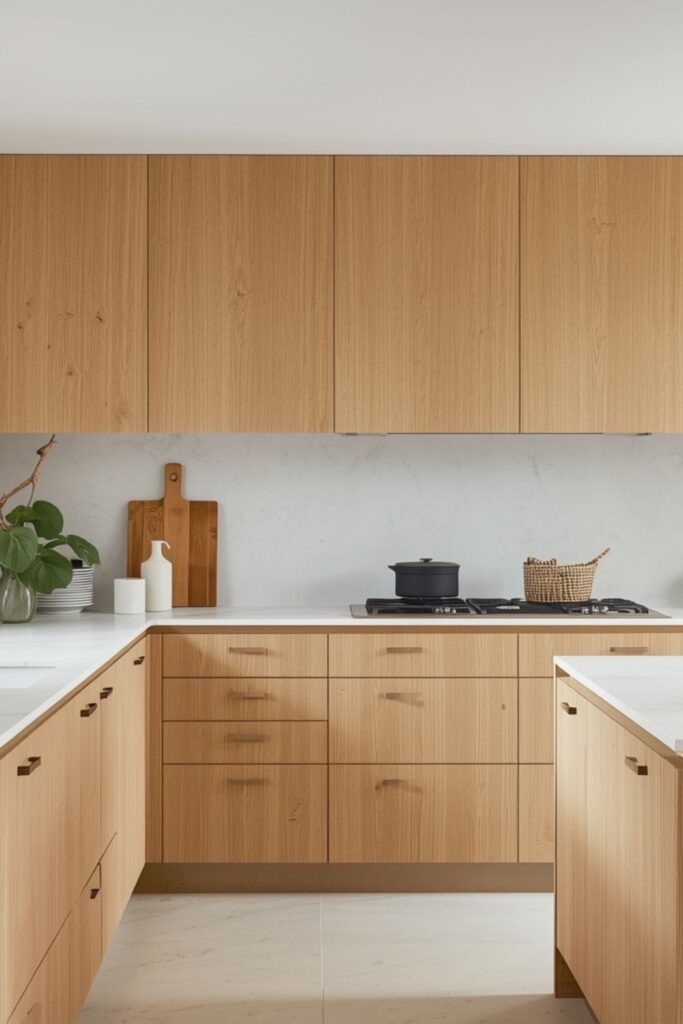
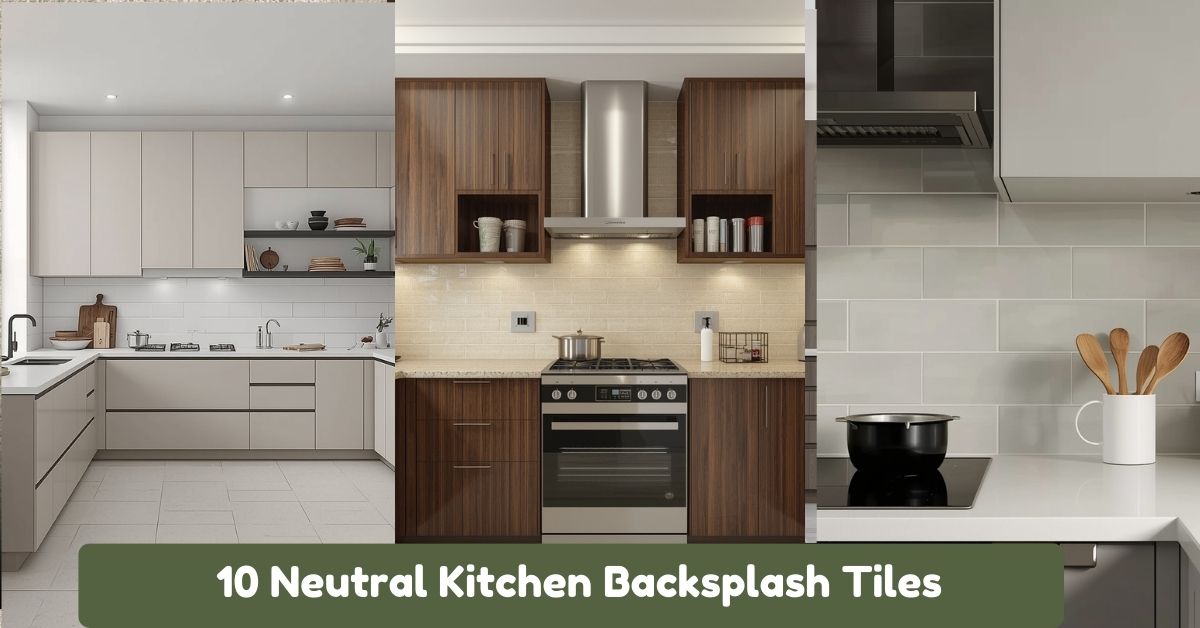
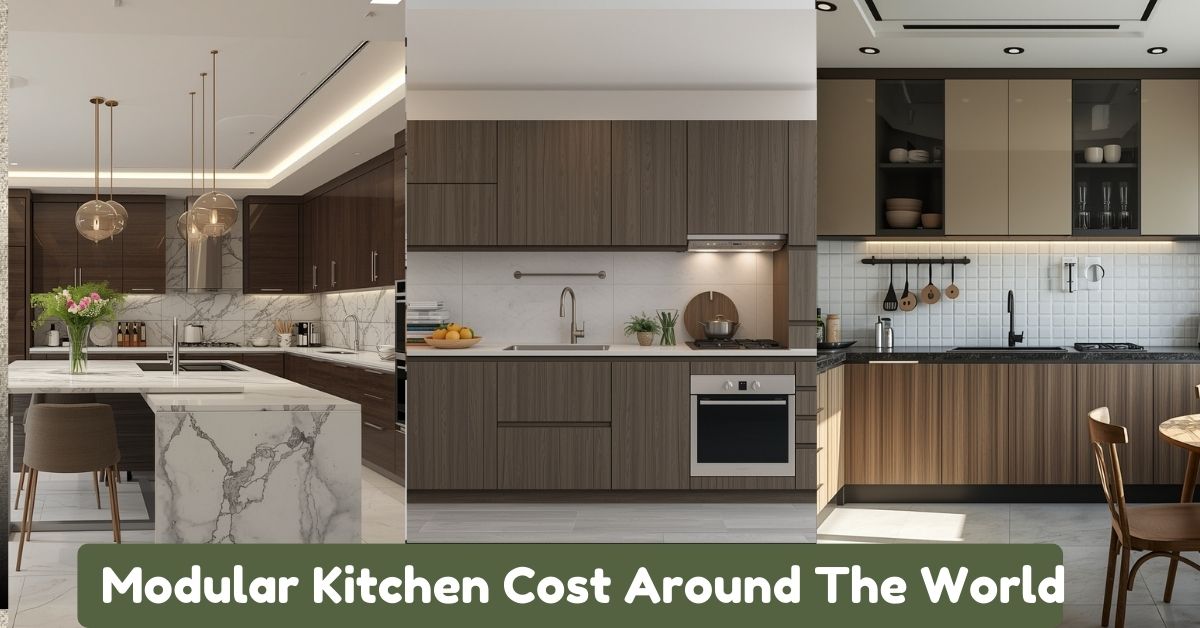
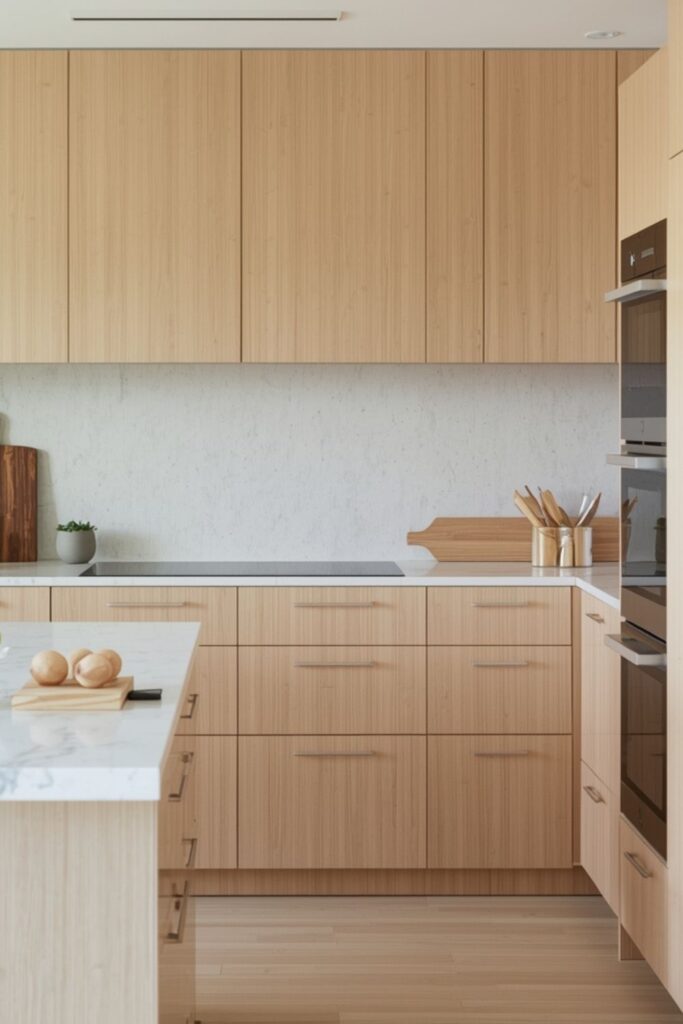
Material choice plays a quiet but powerful role in shaping the kitchen’s mood. Soft wood tones, matte finishes, and natural stone surfaces age gracefully and feel comforting under daily use. When selecting kitchen ideas for long-term living, it is important to choose textures that invite touch without demanding attention.
Minimalist kitchen furniture relies on clean lines and honest materials. Cabinets without heavy ornamentation, paired with subtle hardware, create a timeless look that suits family life. These choices prioritize durability and ease, ensuring the kitchen remains welcoming even as routines and needs evolve.
3. Letting Storage Disappear Gently
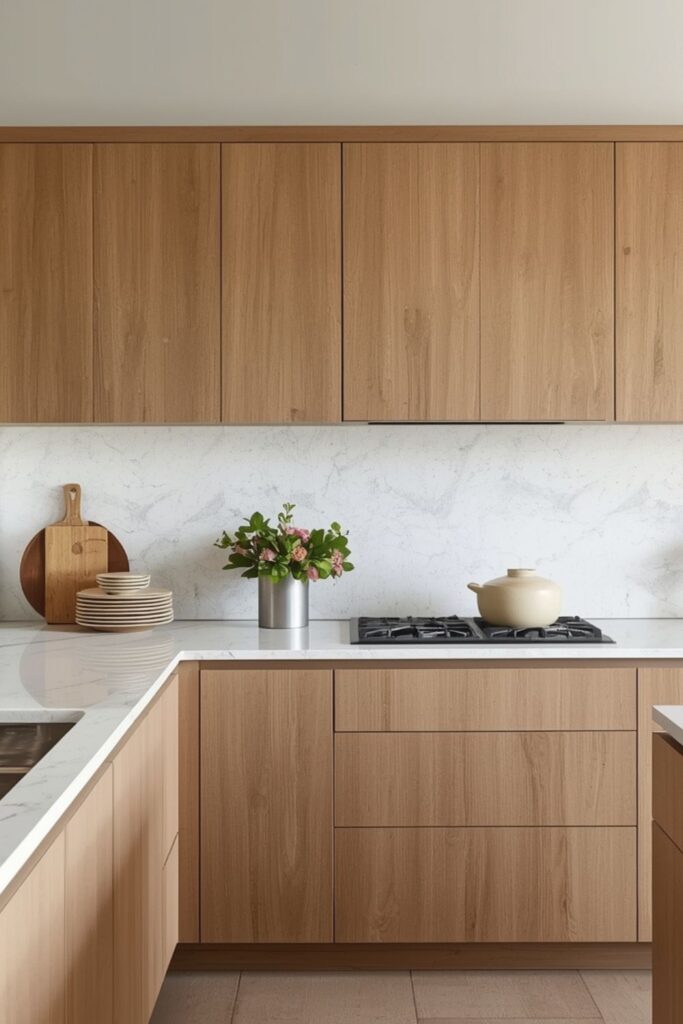
One of the most effective ways to maintain visual calm is to let storage blend quietly into the background. Integrated cabinets, concealed pantries, and soft-close drawers help keep everyday items out of sight while remaining easy to access. This allows the kitchen to feel composed even during busy family moments.
Minimalist kitchen storage encourages thoughtful ownership. When utensils and tools are chosen carefully and stored intentionally, clutter reduces naturally. Gentle organization supports independence for all family members while maintaining a sense of order without constant effort.
4. Light as a Design Partner
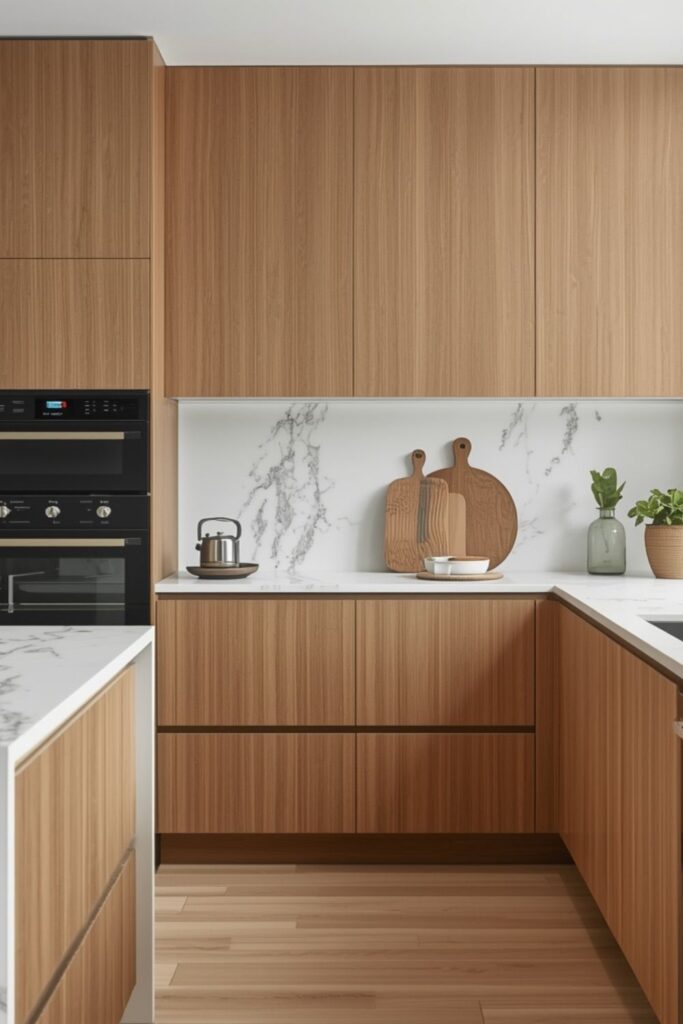
Lighting shapes how the kitchen feels throughout the day. Morning light reflecting off soft surfaces can make the space feel open and fresh, while warmer lighting in the evening creates a more relaxed atmosphere. Thoughtful kitchen ideas treat lighting as an essential design element rather than an afterthought.
Layered lighting through under-cabinet lights, simple pendants, and dimmable fixtures allows the kitchen to adapt easily. In minimalist kitchens, light defines zones without physical barriers, supporting both quick meals and slower family gatherings.
5. Keeping Counters Honest and Useful

Countertops are where daily life becomes visible, making balance essential. The most practical kitchen ideas allow a few meaningful items to remain while ensuring everything else has a dedicated place. A cutting board, a ceramic bowl, or a coffee setup can feel intentional rather than cluttered when chosen thoughtfully.
Simple kitchen habits often matter more than storage solutions. Returning items to their place after use and avoiding duplicates helps preserve visual calm. Over time, countertops become functional again, supporting cooking, conversation, and connection without stress.
6. Appliances That Blend Into Life
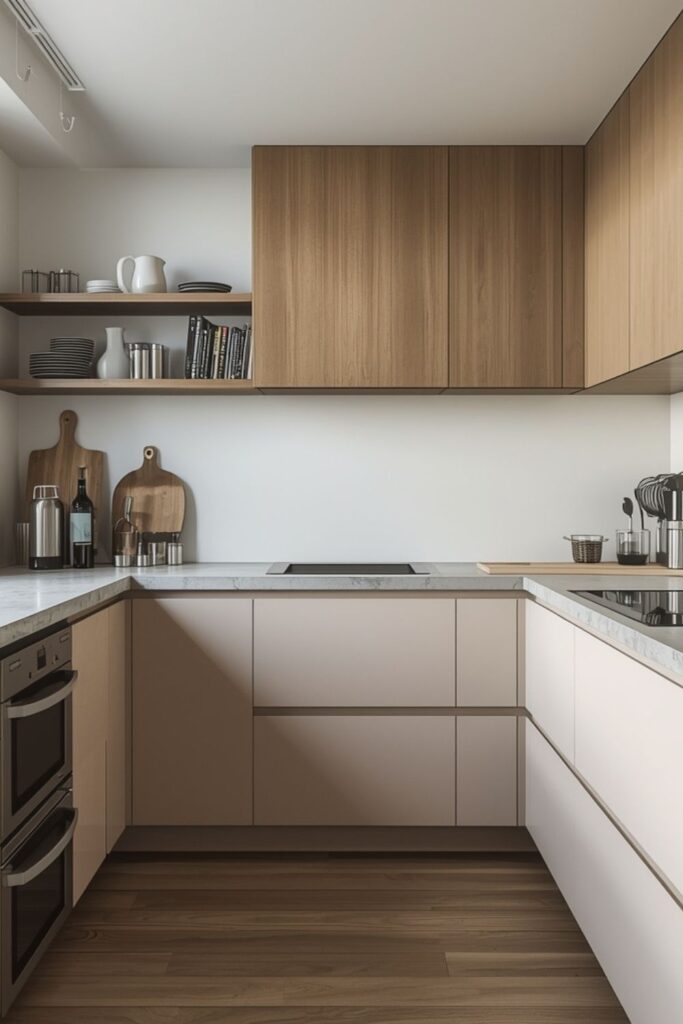
For a minimalist kitchen to remain livable, appliances should quietly support daily needs without dominating the space. Built-in designs, neutral finishes, and streamlined forms allow technology to blend naturally into the environment.
For nuclear families, reliability and ease of use matter more than novelty. Appliances that are simple to clean and intuitive to operate reduce daily friction. When machines work quietly in the background, the kitchen remains a place of connection rather than distraction.
7. Color Palettes That Soothe Rather Than Impress
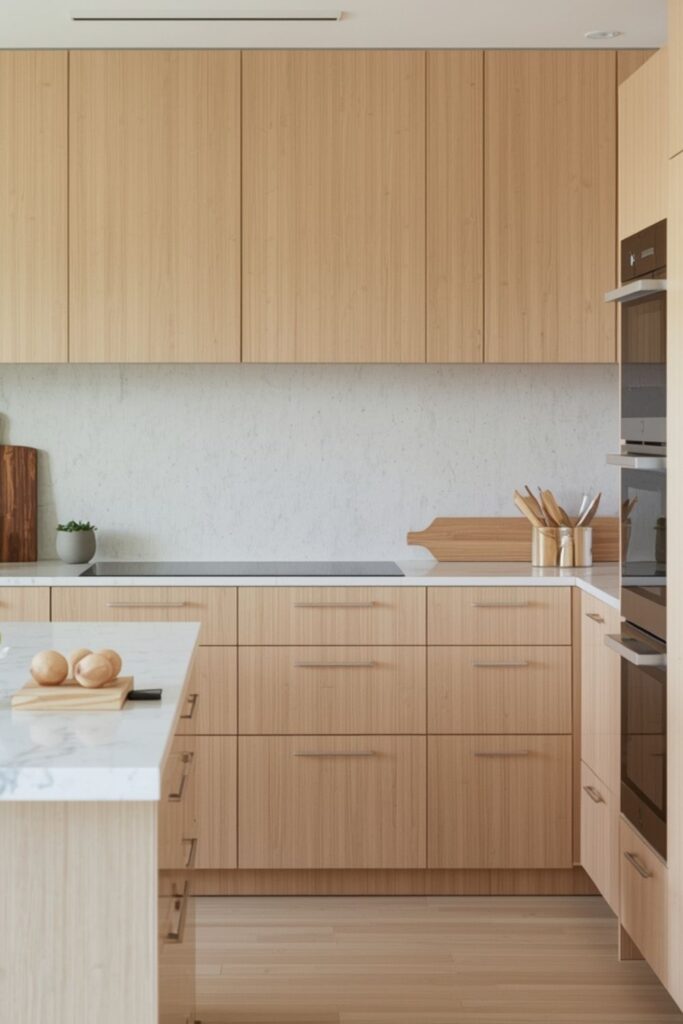
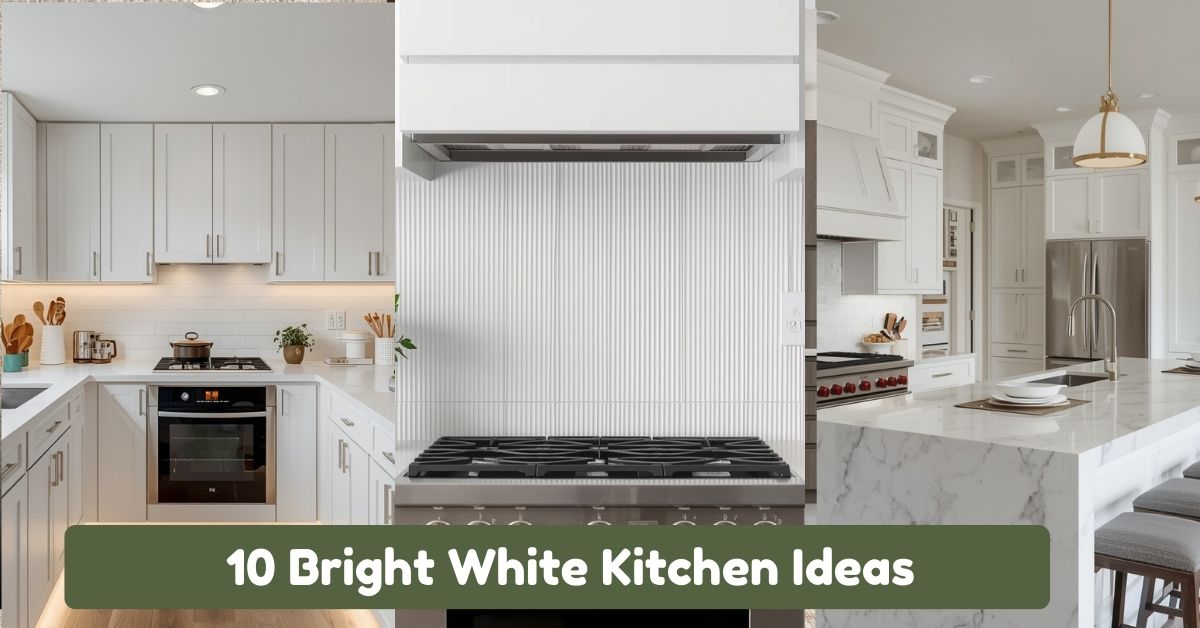
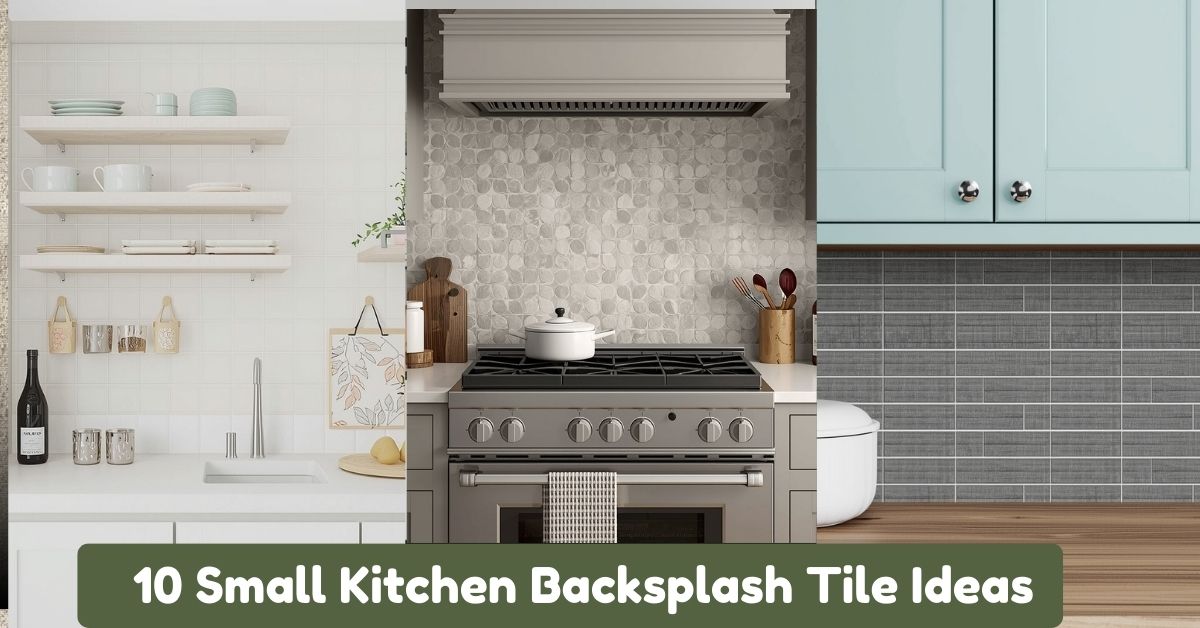
Color in a minimal kitchen works best when it feels soft and supportive. Warm whites, gentle greys, muted greens, and subtle beiges create a backdrop that adapts easily to everyday family life. These kitchen ideas allow personal moments to stand out without visual competition.
Depth comes from texture rather than bold contrast. This layered approach keeps the kitchen feeling human and comfortable. Across modern homes, such palettes support long-term comfort, making the space equally welcoming during quiet mornings and shared meals.
8. Building Habits That Sustain Simplicity
Design alone cannot maintain calm without supportive habits. Minimal kitchens thrive when families share small routines that respect the space. Simple practices like evening resets or seasonal reviews of utensils help maintain balance naturally.
Minimalist kitchen setups encourage mindful use. When each item has a clear purpose, caring for the kitchen becomes a shared responsibility. Over time, these habits turn the kitchen into a grounding presence that supports both individuality and togetherness.
FAQ: Kitchen Ideas for a Nuclear Family
Q1. What makes a kitchen suitable for a nuclear family?
A kitchen designed for a nuclear family prioritizes smooth movement, easy storage, and calm materials. It supports shared routines like quick breakfasts and relaxed dinners without visual or physical clutter.
Q2. Are minimalist kitchens practical for everyday family use?
Yes. Minimalist kitchens reduce friction by limiting distractions and focusing on function. When layouts, storage, and lighting are planned thoughtfully, daily tasks become simpler and more intuitive.
Q3. How can I maintain a minimal kitchen over time?
Consistent habits matter more than strict rules. Regular decluttering, mindful purchasing, and simple daily resets help preserve calm without constant effort.
Q4. What colors work best for a calm family kitchen?
Soft neutrals, muted earth tones, and gentle natural shades work best. These colors age well and adapt easily as family needs and tastes evolve.
Conclusion
A minimal kitchen for a nuclear family is less about visual perfection and more about emotional ease. When kitchen ideas are chosen with care, they quietly support daily life, offering comfort, clarity, and calm continuity. Through thoughtful materials, gentle organization, adaptable lighting, and shared habits, the kitchen becomes a space where simplicity feels natural rather than forced.
Minimal design grounded in real family routines becomes a lasting companion rather than a passing trend. It creates kitchens that are not only well designed, but deeply lived in.