
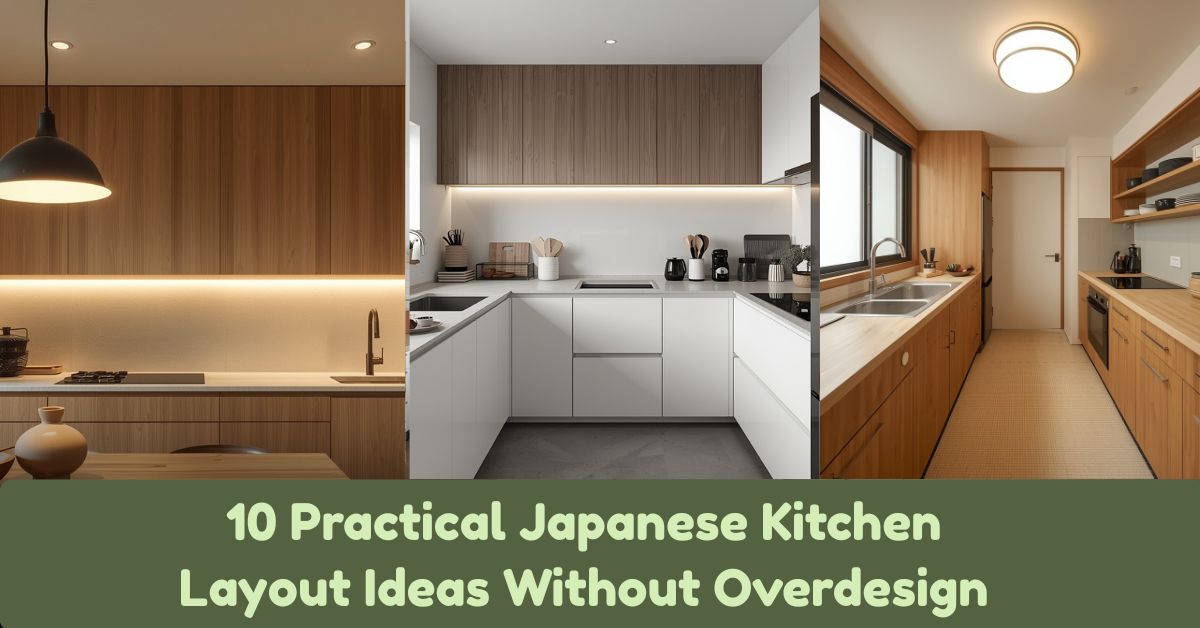
Practical Japanese kitchen layouts are shaped by daily habits rather than decoration. Many homeowners look for Japanese Kitchen Layout Ideas because they want spaces that feel calm, organized, and easy to live with, not kitchens that rely on visual impact or excessive styling.
Japanese kitchens focus on clarity, movement, and balance. Layouts are designed to reduce unnecessary steps, keep surfaces clear, and support simple cooking routines. This approach works especially well in modern homes and compact spaces, where thoughtful planning matters more than size.
Modern Japanese kitchen layout ideas avoid visual noise. Natural materials, soft tones, and integrated storage help the kitchen feel settled and comfortable throughout the day. Even when the space is actively used, the layout continues to feel composed rather than crowded.
These practical Japanese Kitchen Layout Ideas offer a grounded way to design kitchens that support everyday living without overdesign. The emphasis remains on function, calm proportions, and layouts that feel natural over time.
Practical Japanese Kitchen Layout Ideas
Table of Contents
1. Linear Layouts That Support Easy Movement
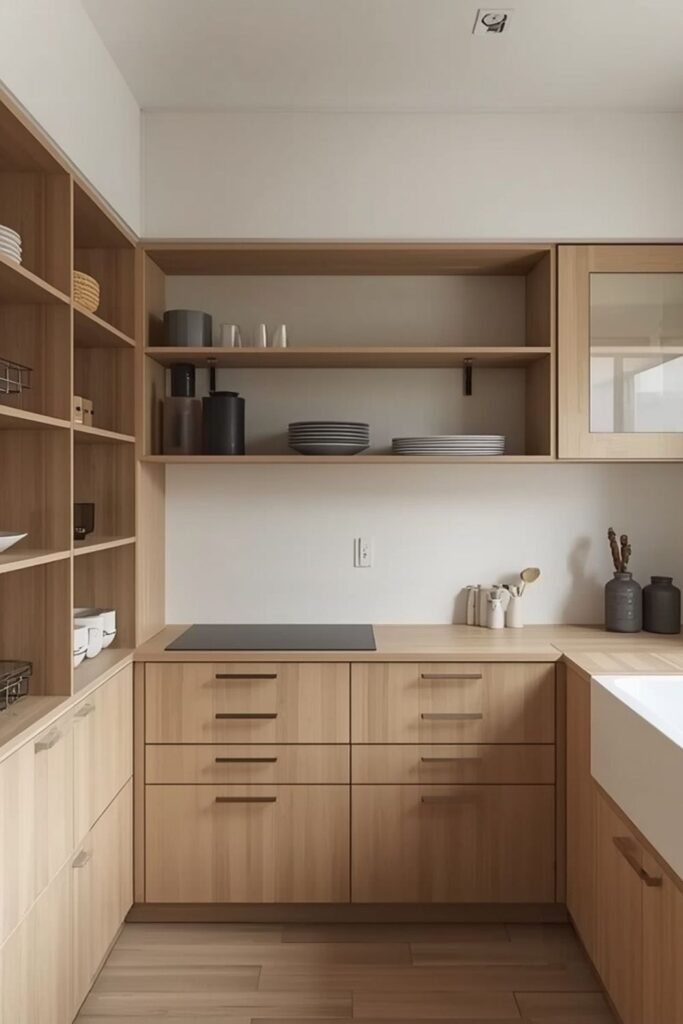
Linear layouts are common in Japanese kitchens because they simplify movement and reduce visual distraction. Everything is placed along a single wall or gentle line, making cooking feel efficient and calm. This type of layout works well in apartments and narrow homes where space needs to remain open.
In Japanese Kitchen Layout Ideas design thinking, linear arrangements help maintain visual order. With fewer turns and interruptions, the kitchen feels predictable and easy to use. This simplicity supports daily routines and keeps the space feeling settled throughout the day.
2. Compact Work Zones Kept Close Together
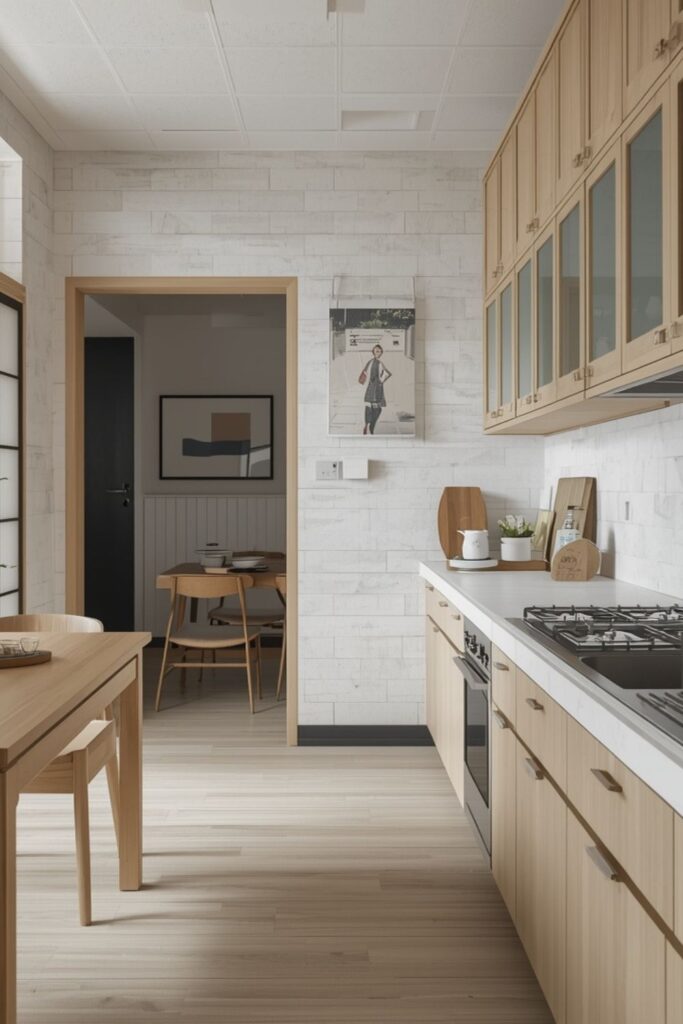
Japanese kitchen design for small space living often keeps the sink, stove, and preparation area close together. This compact zoning reduces unnecessary movement and supports smooth cooking routines. The layout feels efficient without appearing tight.
Small kitchen layouts benefit from this approach because it naturally limits clutter. When everything is within reach, surfaces stay clearer and the kitchen feels easier to maintain. These practical Japanese Kitchen Layout Ideas focus on comfort rather than display.
3. Natural Materials Used Consistently
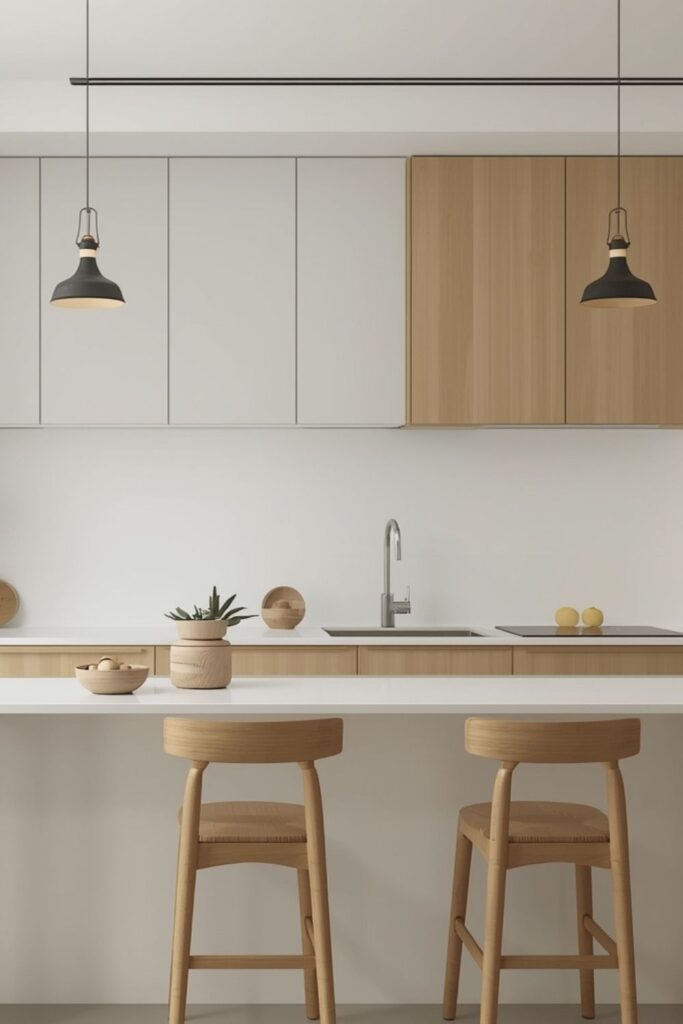
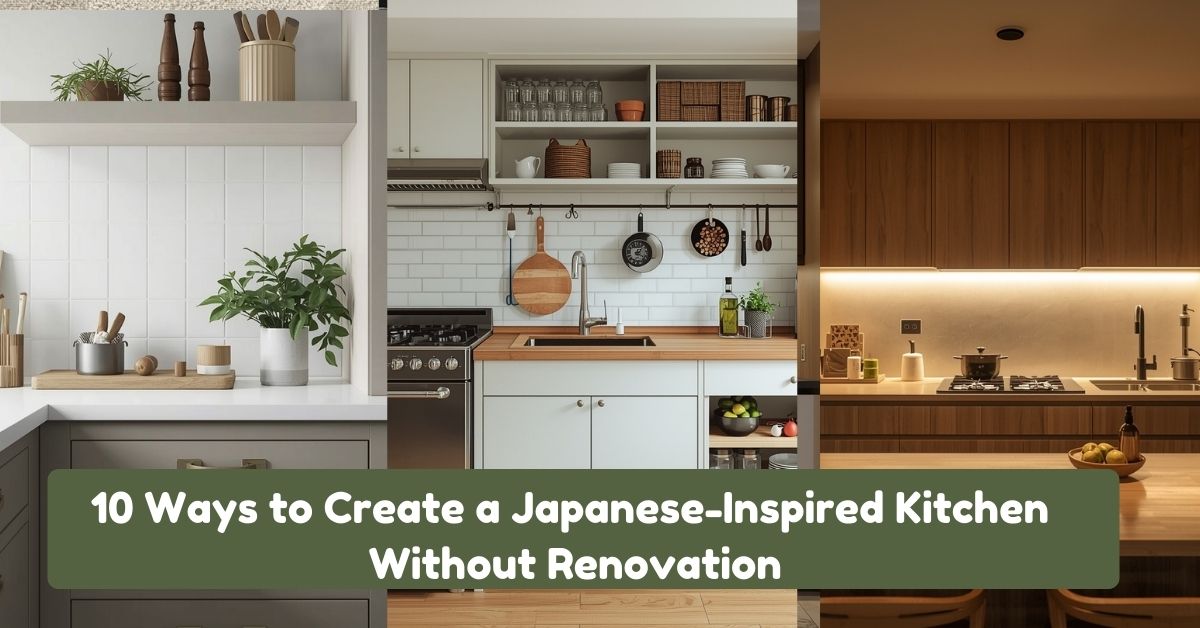
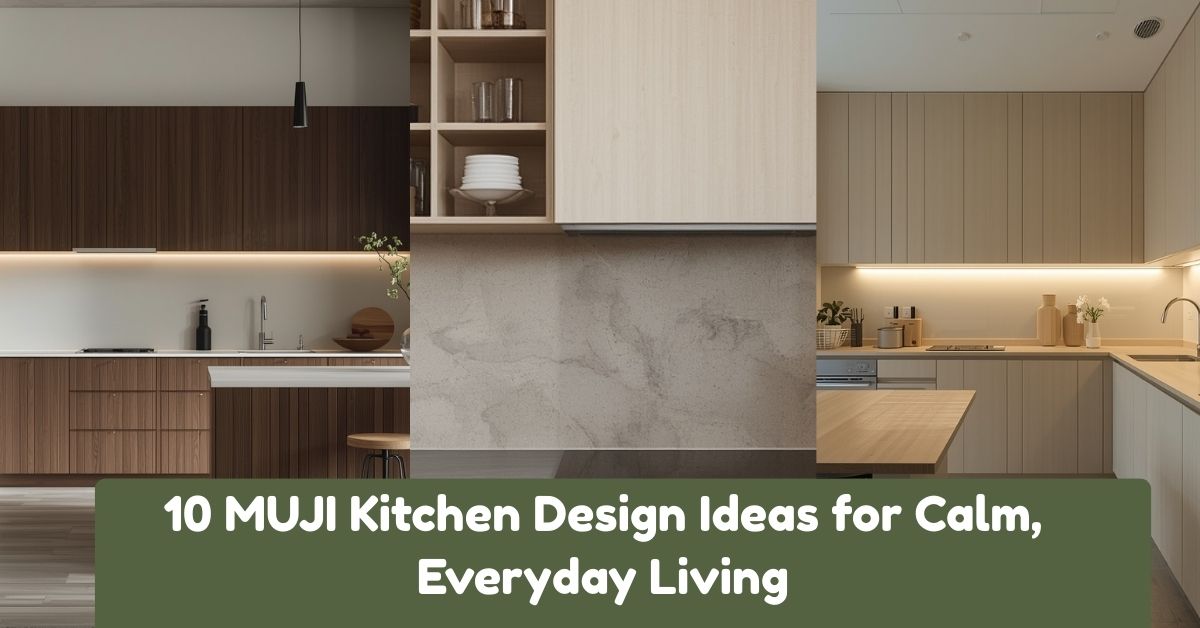
Material consistency is central to Japanese kitchens. Wood, stone, and matte finishes are often used throughout the layout to create visual continuity. This consistency helps the kitchen feel calm even when multiple elements are present.
Modern Japanese kitchen layout ideas rely on natural materials to soften minimal interiors. Light wood cabinetry paired with neutral walls creates warmth without relying on bold color. The layout feels balanced and comfortable for long-term use.
4. Storage Integrated Into the Layout
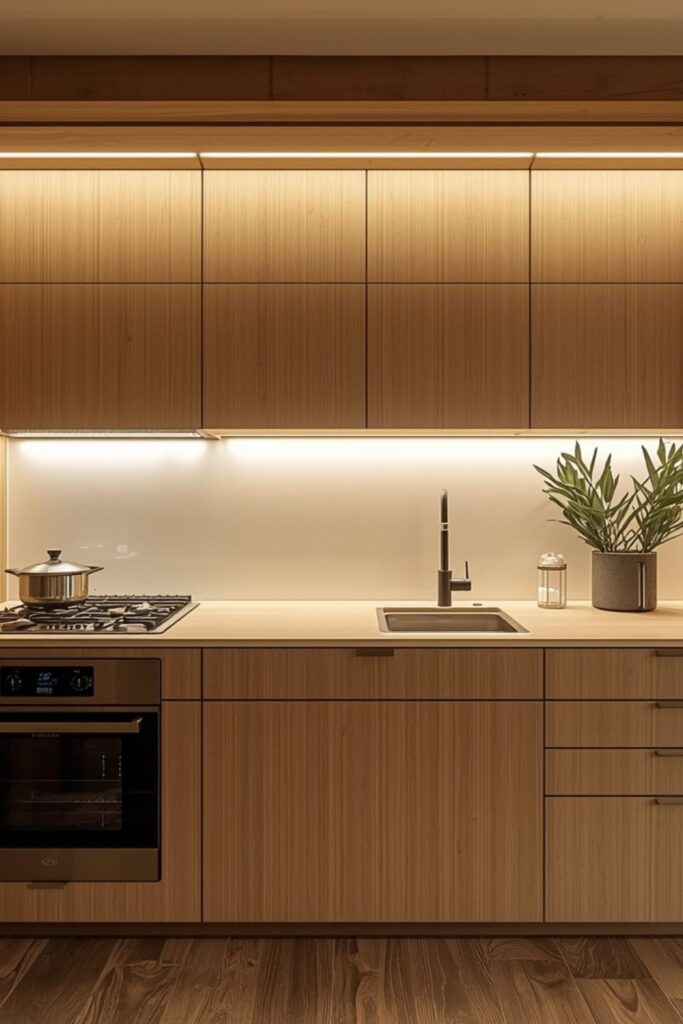
In Japanese kitchens, storage is planned as part of the layout itself. Cabinets align with walls, drawers sit flush, and appliances are often integrated to avoid visual breaks. This creates a kitchen that feels organized without appearing busy.
Japanese Kitchen Layout Ideas interest many homeowners because of this seamless approach. When storage blends into the structure, the kitchen maintains a quiet appearance while remaining highly functional. Everything has a place, which supports calm daily living.
5. Open Space Preserved Through Restraint
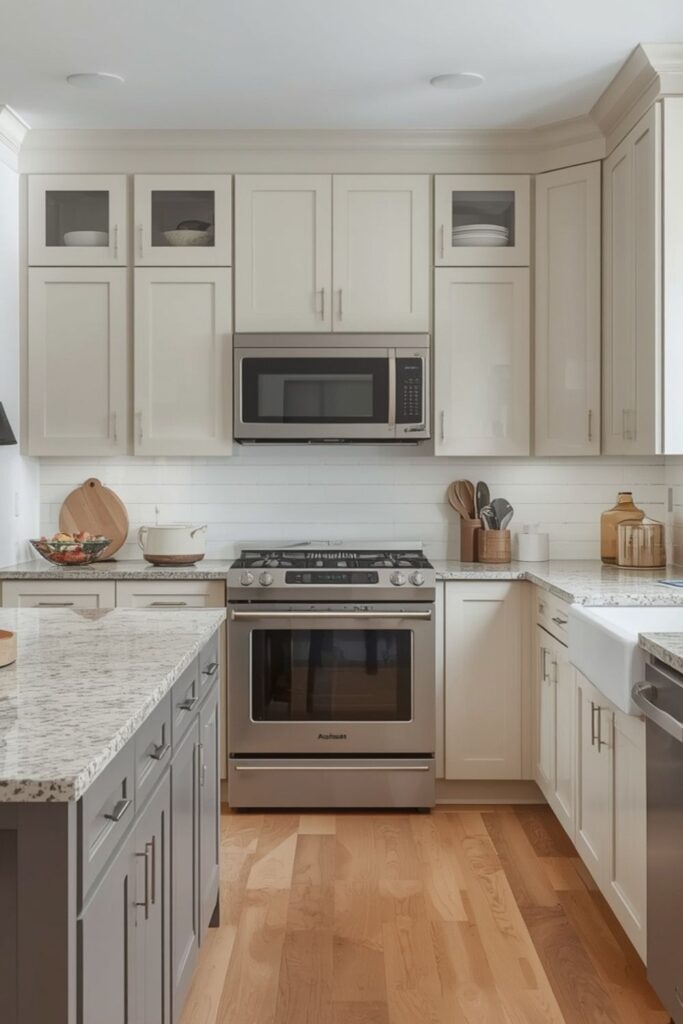
Rather than filling every wall with cabinets, Japanese layouts often leave space intentionally open. This restraint allows light to move freely and prevents the kitchen from feeling enclosed. Even small kitchens benefit from this sense of openness.
Practical Japanese Kitchen Layout Ideas design emphasizes balance over abundance. A few well-placed cabinets combined with open wall space create visual breathing room. The kitchen feels lighter and more comfortable to spend time in.
6. Neutral Color Palettes for Visual Ease
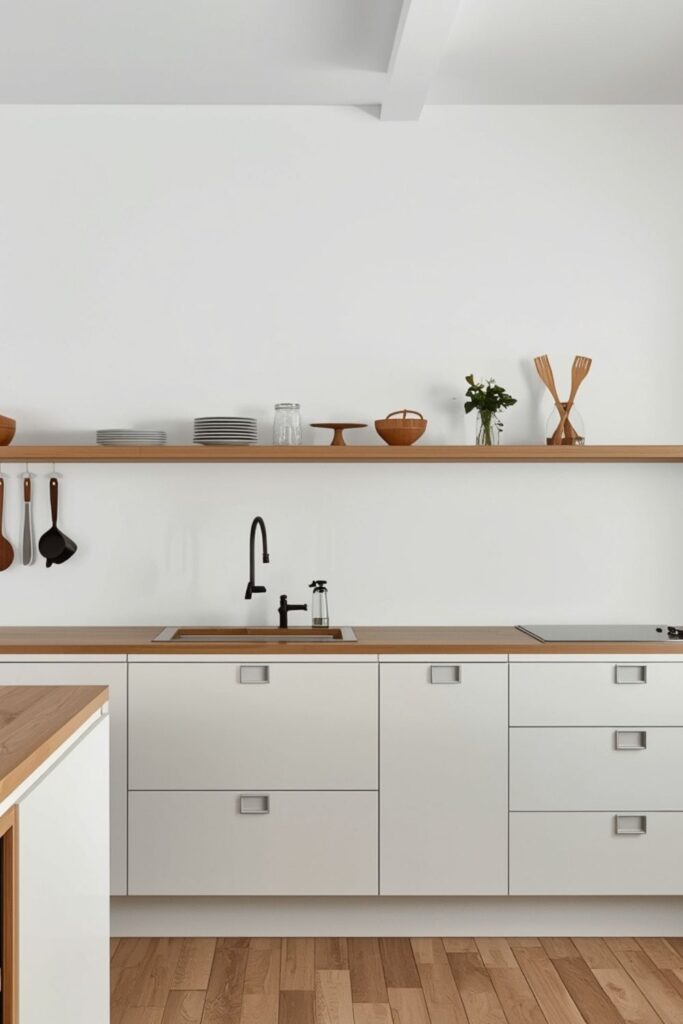
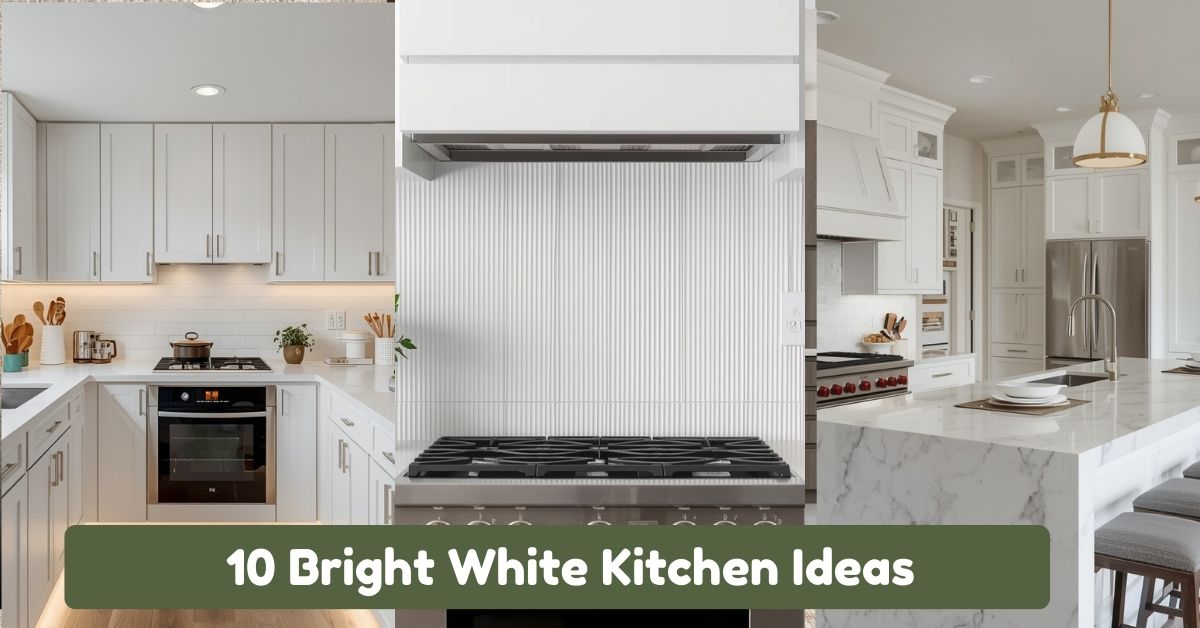
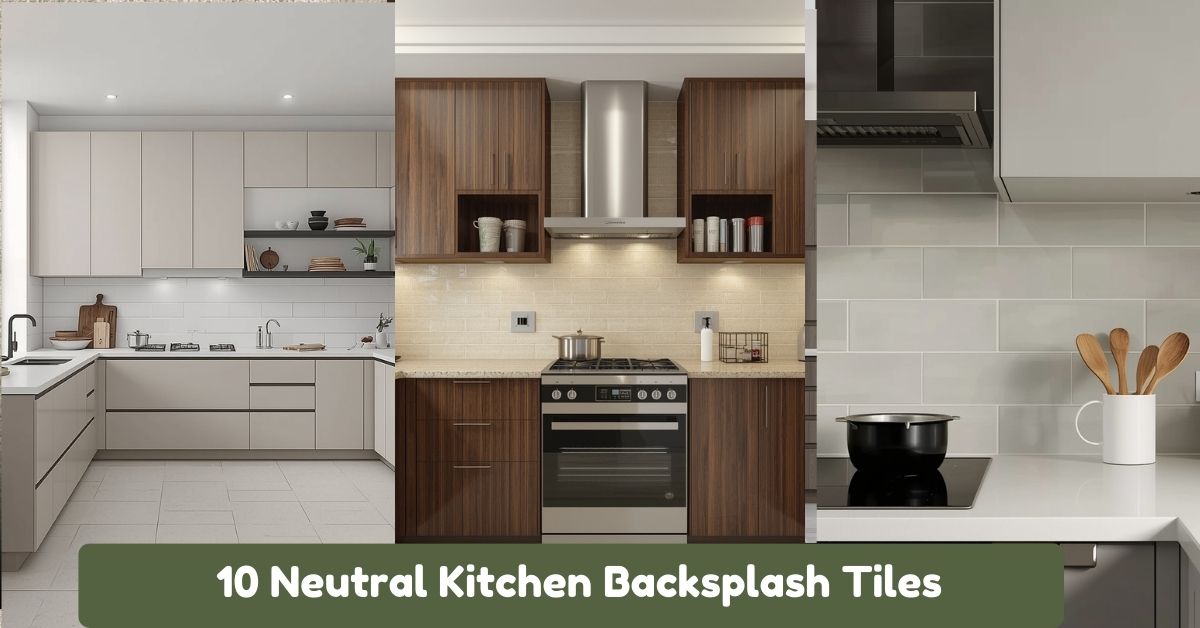
Neutral colours play a significant role in Japanese kitchen layouts. Soft whites, warm greys, and natural wood tones help reduce visual strain and support calm routines. These colours also reflect light, making the kitchen feel brighter and more open.
Japanese Kitchen Layout Ideas Pinterest collections often highlight this subtle palette. The absence of strong contrast allows the layout to feel cohesive and timeless. Colour becomes a background element rather than a focal point.
7. Simple Counter Proportions
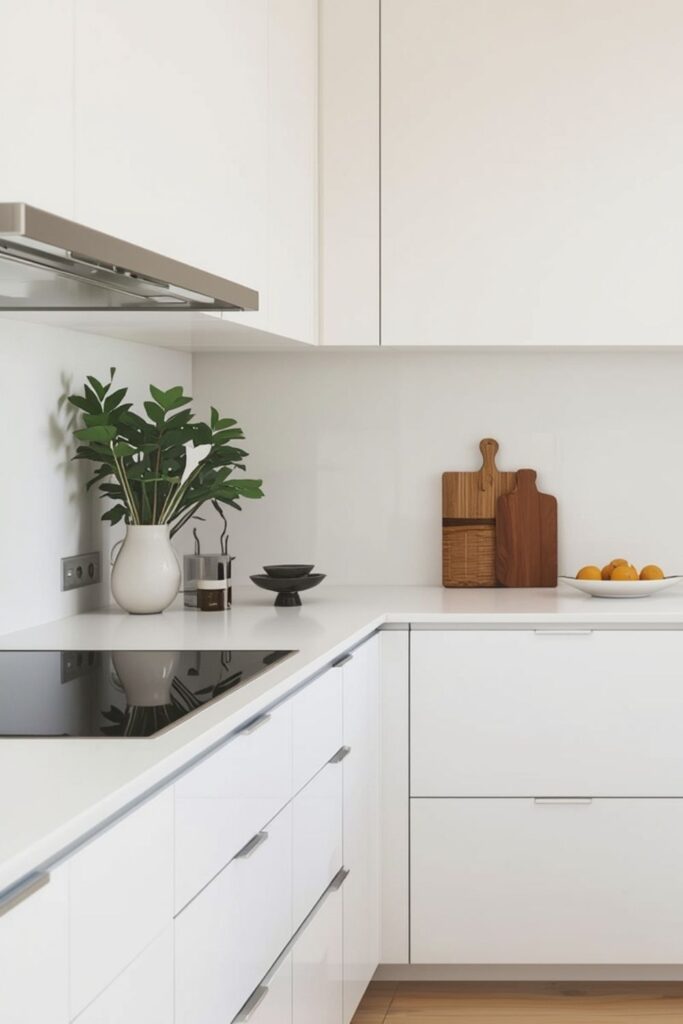
Japanese kitchens tend to avoid oversized counters or thick surfaces. Countertops are kept slim and proportional to the space, helping the layout feel light and balanced. This approach works especially well in modern homes.
In Japanese Kitchen Layout Ideas design, proportion matters more than scale. When counters are visually understated, the kitchen feels calm and approachable. Everyday tasks feel easier without heavy visual elements dominating the space.
8. Soft Lighting That Complements the Layout
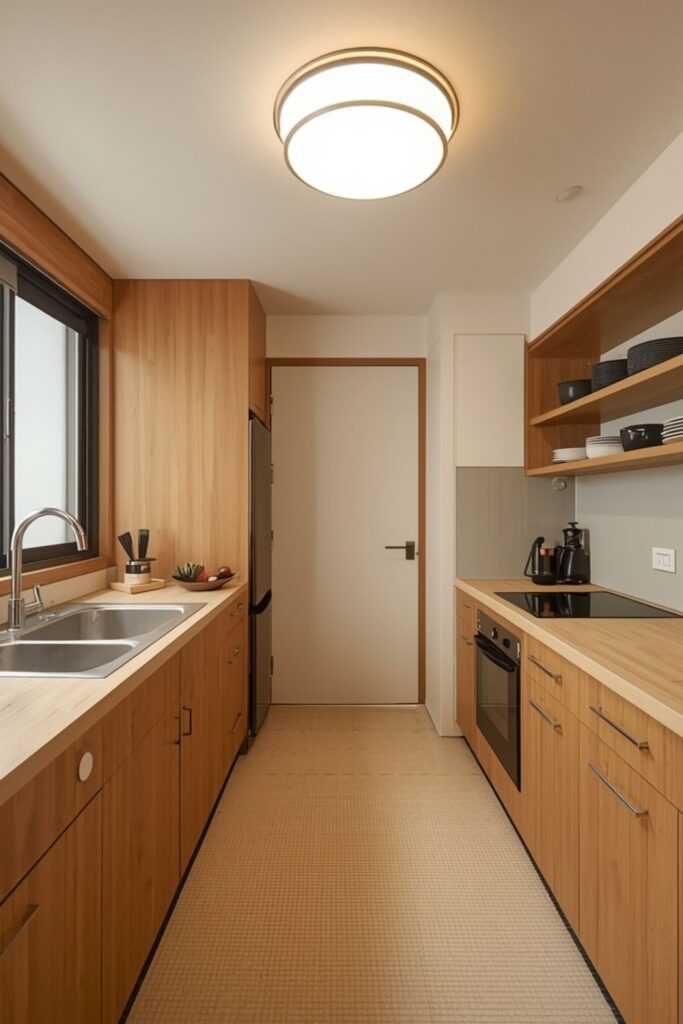
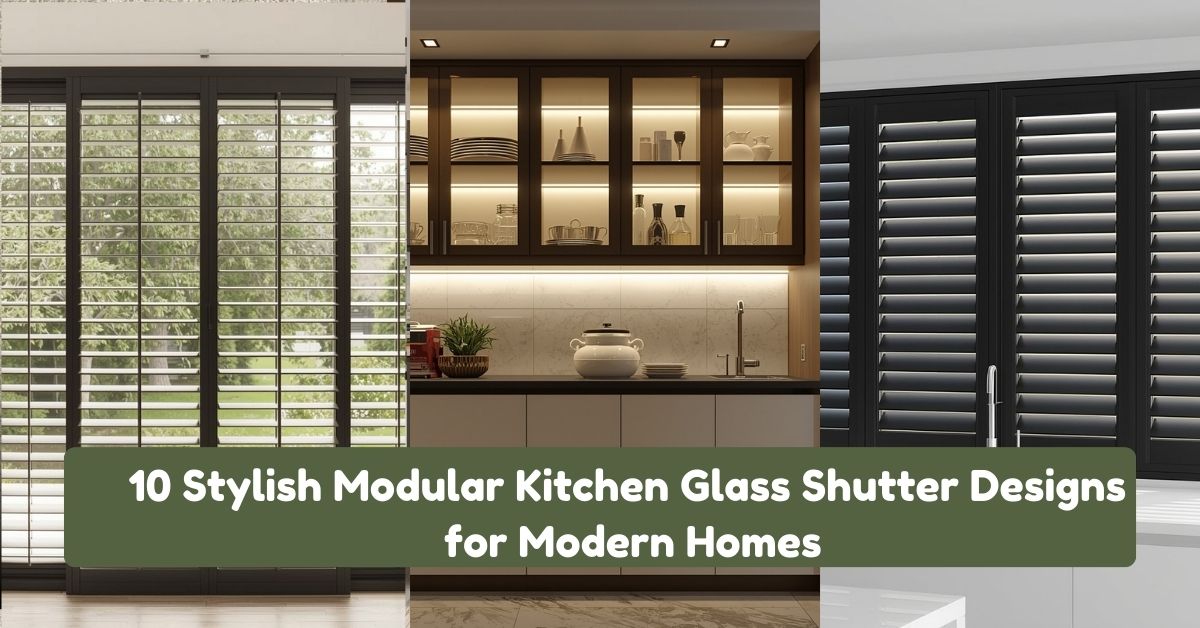
Lighting is chosen carefully in Japanese kitchens to support daily routines. Soft overhead lighting, under-cabinet illumination, and natural daylight work together to create a gentle atmosphere. Harsh or overly bright lighting is avoided.
Modern Japanese kitchen layout ideas use lighting to enhance materials and maintain visual calm. Warm light softens surfaces and helps the layout feel welcoming in both morning and evening use. The kitchen becomes a comfortable place to spend time.
9. Minimal Hardware for Clean Flow
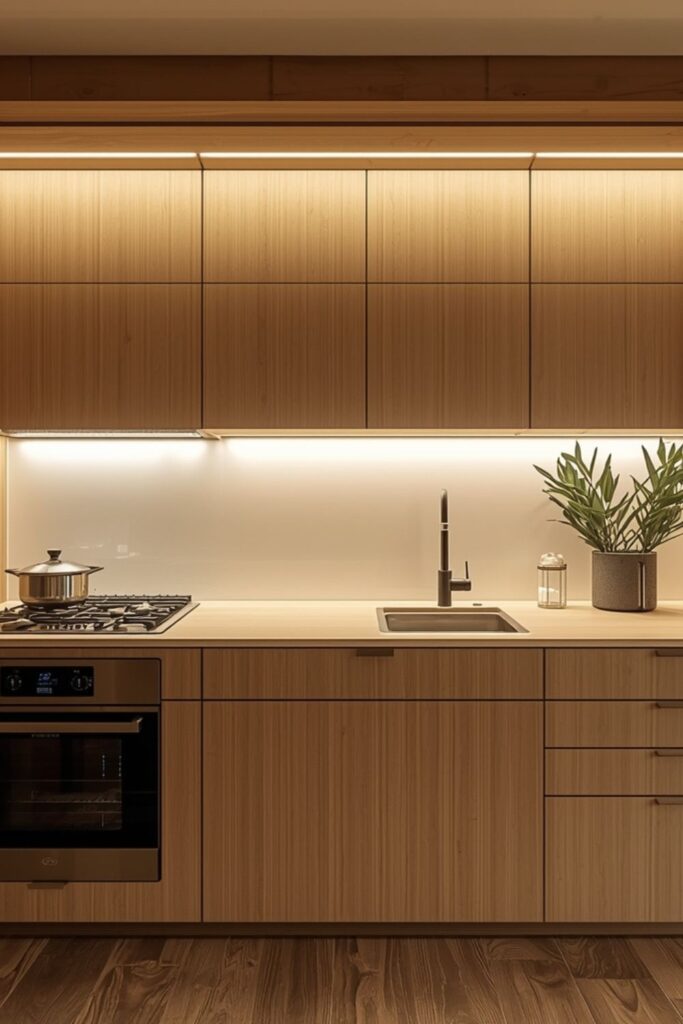
Cabinet hardware in Japanese kitchens is often subtle or nearly invisible. Handleless cabinets or slim pulls help maintain clean lines throughout the layout. This allows the eye to move smoothly across surfaces.
Japanese Kitchen Layout Ideas on a budget often include this approach because it relies more on planning than cost. Clean cabinet fronts support visual unity and make small kitchens feel larger and more refined.
10. Functional Elements as Quiet Focal Points
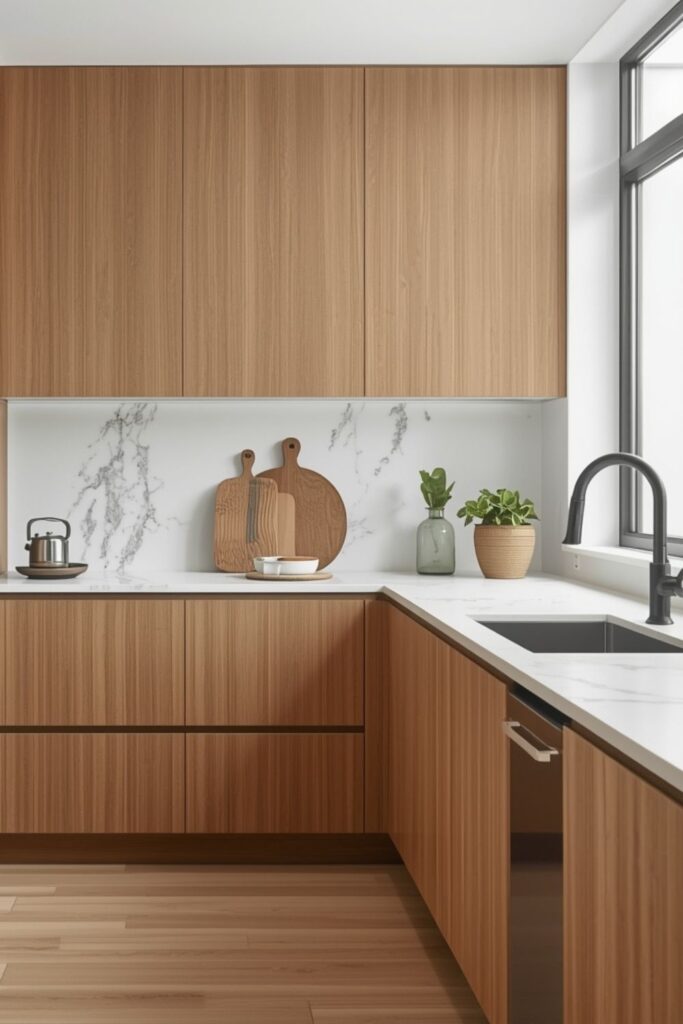
Rather than decorative displays, Japanese kitchens use functional elements as focal points. A wooden countertop, a neatly placed prep area, or a single open shelf draws attention naturally without clutter.
This principle is also seen in Japanese restaurant kitchen design, where clarity and efficiency are essential. In home kitchens, it helps anchor the space while preserving simplicity. The layout feels intentional and easy to maintain.
FAQ: Practical Japanese Kitchen Layout Ideas
Q1. Are Japanese kitchen layouts suitable for small homes?
Yes, Japanese kitchen layouts are especially effective in small homes because they focus on efficient movement, compact zones, and integrated storage.
Q2. Do Japanese kitchens require special materials?
No, the focus is on natural and durable materials rather than specific products. Wood, neutral finishes, and simple surfaces work well.
Q3. Can Japanese Kitchen Layout Ideas work on a budget?
Yes, careful layout planning, minimal hardware, and neutral colours can achieve the look without major expense.
Q4. How do Japanese kitchens stay visually calm?
They rely on hidden storage, consistent materials, soft lighting, and restrained layouts that reduce visual clutter.
Conclusion
Practical Japanese Kitchen Layout Ideas focus on calm efficiency rather than visual impact. By prioritizing movement, proportion, and simplicity, these layouts create kitchens that feel comfortable and balanced every day. Natural materials, thoughtful storage, and gentle lighting support routines without adding unnecessary complexity.
When kitchens are designed with restraint, they become easier to live with over time. Japanese kitchen layouts encourage clarity, slow living, and intentional use of space, making them a lasting choice for modern homes seeking everyday calm.
Explore More: 10 Small Kitchen Layout Solutions Ideas For Calm And Functional Homes



1 thought on “10 Practical Japanese Kitchen Layout Ideas Without Overdesign”