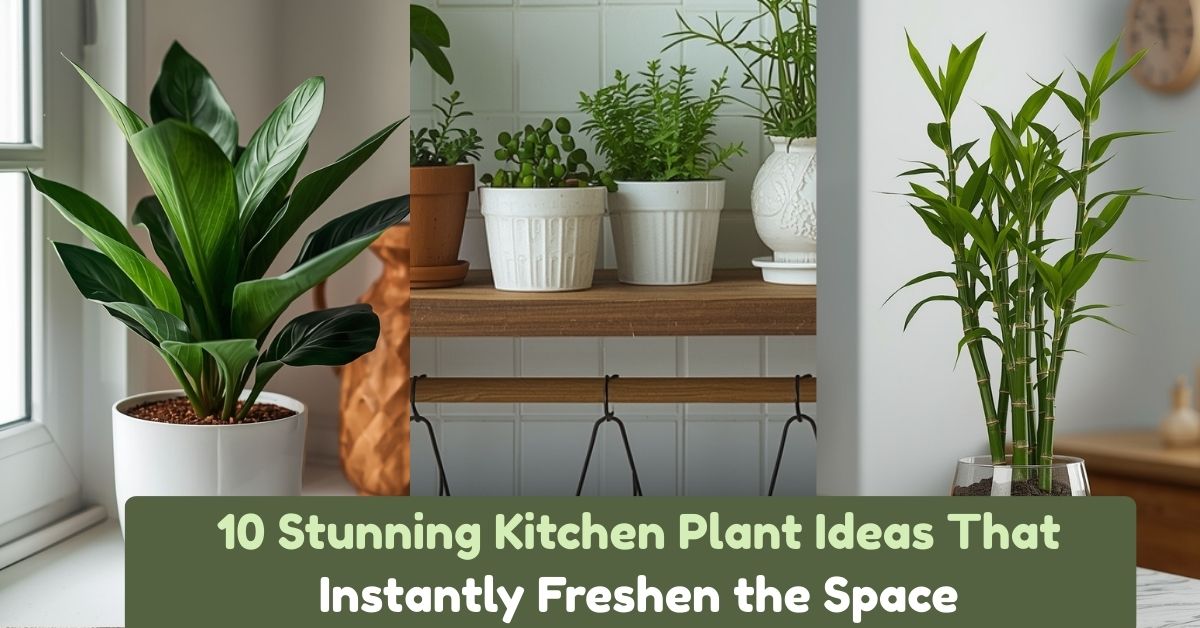
A kitchen is one of the most lived-in spaces in any home. It’s where mornings begin, meals come together, and everyday routines quietly unfold. Adding plants to this space isn’t just about decoration — it’s about bringing softness, balance, and freshness into an area that often feels functional and busy. The right kitchen plants can subtly improve mood, air quality, and the overall feel of the room without demanding much effort.
Unlike living rooms or bedrooms, kitchens have unique conditions — heat, moisture, changing light, and limited counter space. That’s why choosing the right plants matters. Whether you have a compact apartment kitchen or a more open layout, these 10 stunning kitchen plant ideas focus on practicality, calm aesthetics, and easy maintenance. Each idea works for real homes, not just Pinterest-perfect setups.
10 Stunning Kitchen Plant Ideas That Instantly Freshen the Space
Table of Contents
1. Herbs on the Kitchen Window for Everyday Freshness
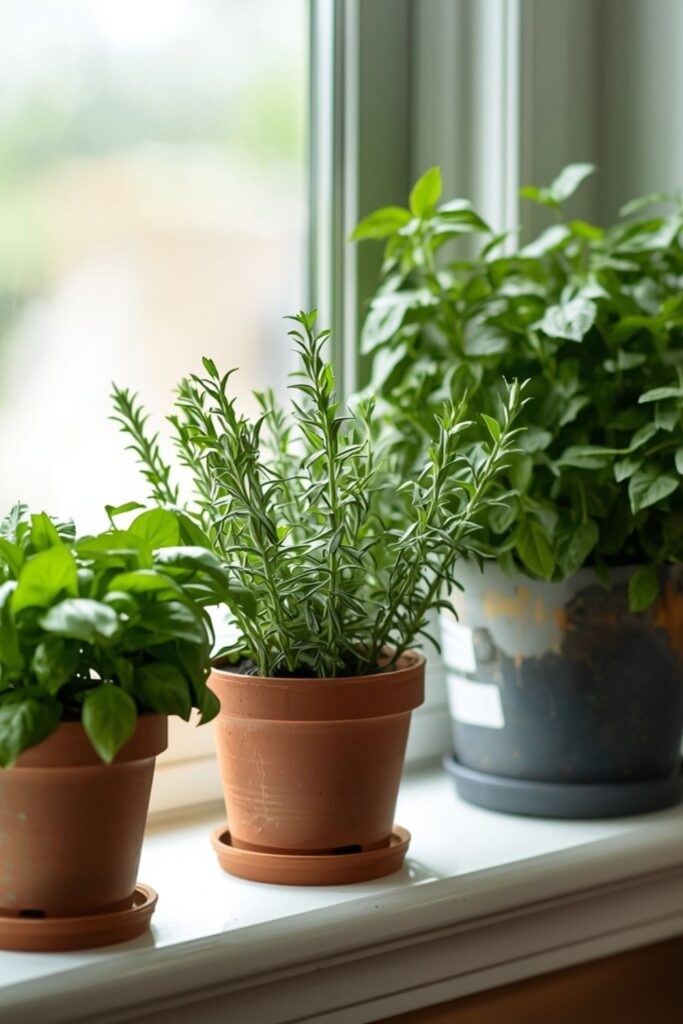
Herbs are one of the most practical and beautiful plant choices for kitchens. Basil, mint, coriander, rosemary, and thyme thrive near windows and bring both visual freshness and everyday usefulness. Placing small pots on the kitchen window sill keeps them within reach while cooking, making the kitchen feel alive and purposeful.
Beyond aesthetics, herbs create a subtle sensory experience — the smell of fresh leaves, the soft green tones, and the sense of care involved in trimming them. This idea works especially well for small kitchens where counter space is limited but natural light is available.
2. Pothos on Cabinet Tops for Soft Vertical Greenery
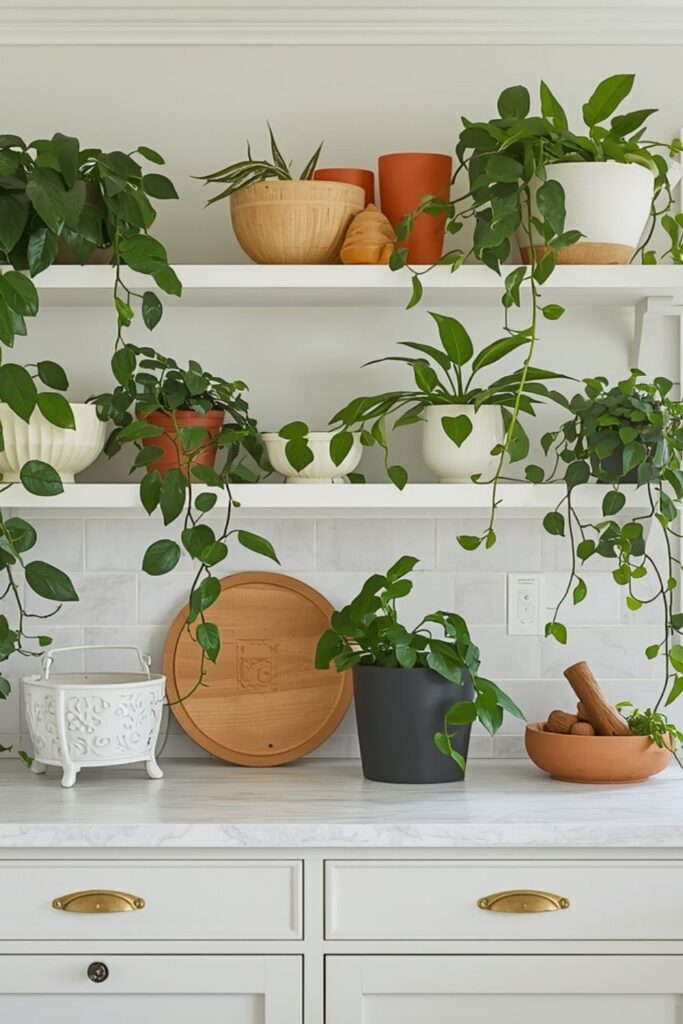
Pothos is one of the most forgiving kitchen plants and works beautifully on cabinet tops. Its trailing vines soften hard cabinet lines and add visual flow without cluttering countertops. This makes it ideal for kitchens where work surfaces need to stay clear.
Pothos also adapts well to indirect light and can tolerate occasional neglect, making it perfect for busy households. Let the vines fall naturally or guide them along shelves for a relaxed, organic look that feels effortless over time.
3. Snake Plant for Low-Light and Heat-Prone Kitchens
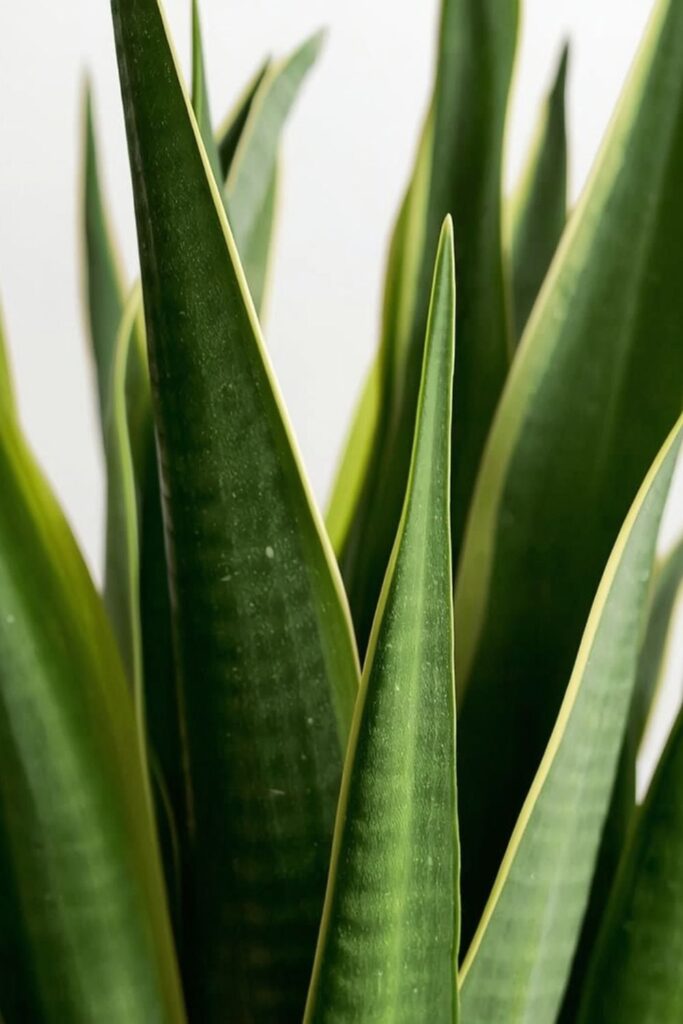
For kitchens that don’t receive much natural light, snake plants are a reliable option. Their upright, sculptural leaves add structure without overwhelming the space. Snake plants also handle heat and humidity well, making them suitable near cooking zones.
From a Goodwill perspective, snake plants are often associated with air purification and positive energy. Placing one in a corner or near the sink area can subtly balance the kitchen environment while keeping maintenance minimal.
4. Small Succulents for Compact Countertop Styling
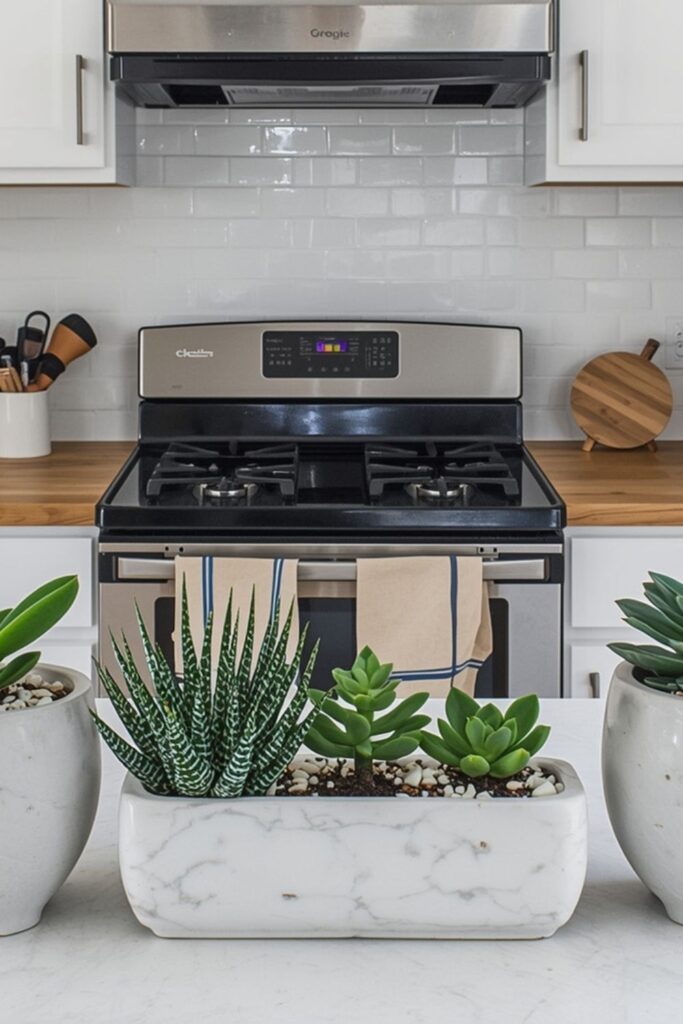
Succulents are ideal for small kitchen countertops where space is tight. Their compact size and slow growth make them easy to manage, and they don’t require frequent watering. A group of two or three small succulents can add texture without feeling decorative for decoration’s sake.
Choose simple ceramic or stone planters to keep the look clean and modern. This idea works well in minimalist kitchens where every item needs to feel intentional and uncluttered.
5. Lucky Bamboo for Calm and Feng Shui
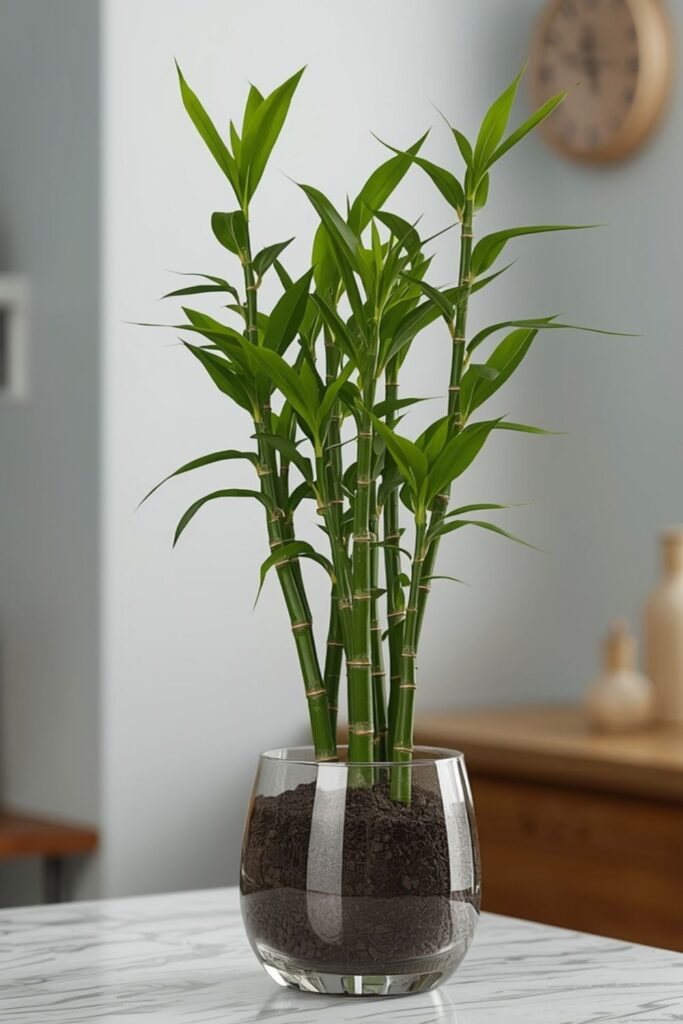
Lucky bamboo is a popular choice for kitchens, especially in homes that follow Vastu or Feng Shui principles. It symbolizes growth, harmony, and prosperity while requiring very little care. It can be placed in water or soil, depending on preference.
Its upright form suits compact kitchen layouts, and it fits neatly on counters, shelves, or near windows. This plant adds a sense of calm order, making the kitchen feel more grounded and balanced over time.
6. Hanging Plants to Keep Counters Clear
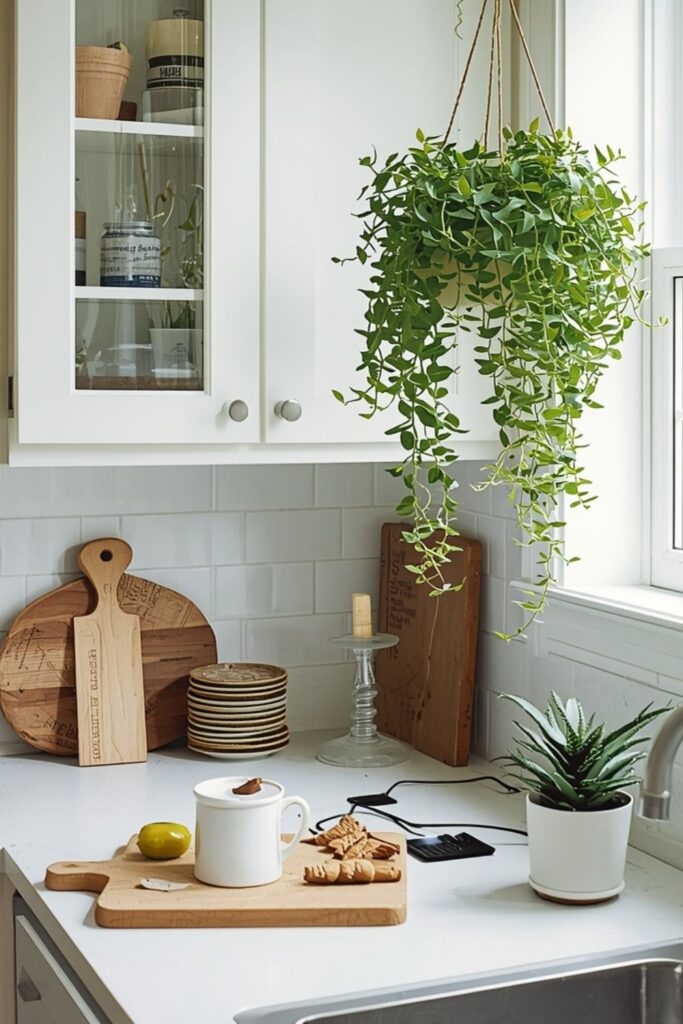
Hanging plants like spider plants or philodendrons are excellent for kitchens where counter space is precious. Suspended from the ceiling or mounted near windows, they bring greenery into the space without interfering with daily cooking tasks.
This approach also adds vertical interest, making small kitchens feel taller and more open. Choose lightweight planters and keep placement practical — away from direct heat or heavy grease zones.
7. Aloe Vera Near the Sink for Easy Care

Aloe vera thrives in bright, indirect light and doesn’t require frequent watering, making it suitable for kitchens. Placing it near the sink makes watering easy and keeps the plant within sight for regular care.
Beyond its visual appeal, aloe vera has practical benefits as well — from skin care to air purification. Its clean, architectural shape works especially well in modern kitchens with neutral color palettes.
8. ZZ Plant for Kitchens That Don’t Get Sunlight
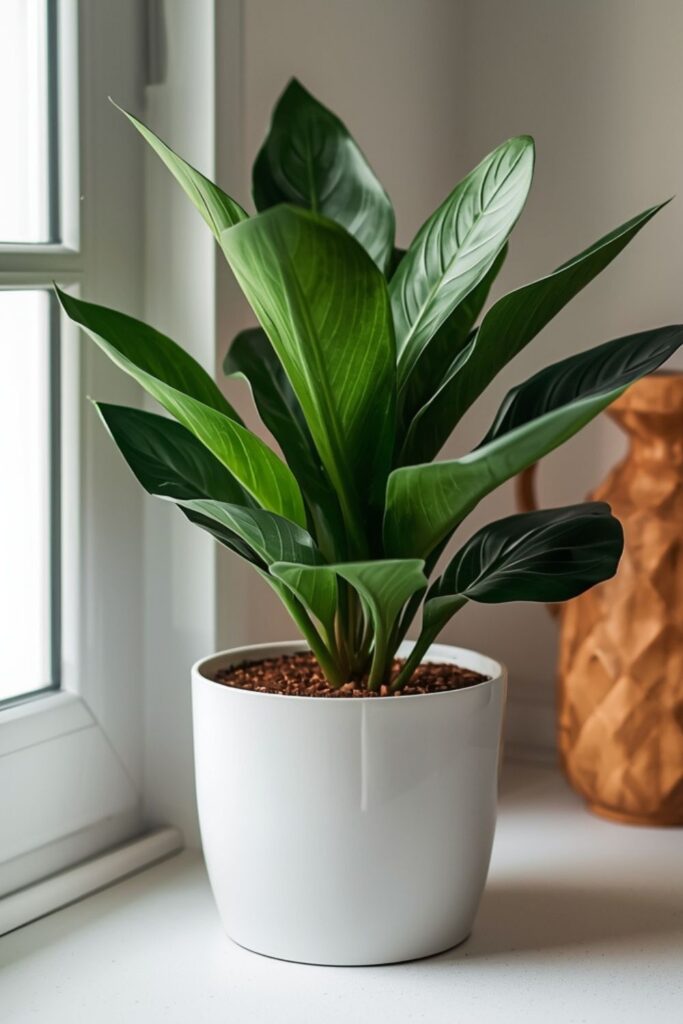
If your kitchen receives very little natural light, the ZZ plant is one of the best options. It tolerates low light and irregular watering while still maintaining a polished appearance.
ZZ plants have glossy leaves that reflect light subtly, helping darker kitchens feel brighter and more composed. This makes them ideal for apartments or enclosed kitchens where windows are limited.
9. Kitchen Garden Shelf for a Natural, Lived-In Feel
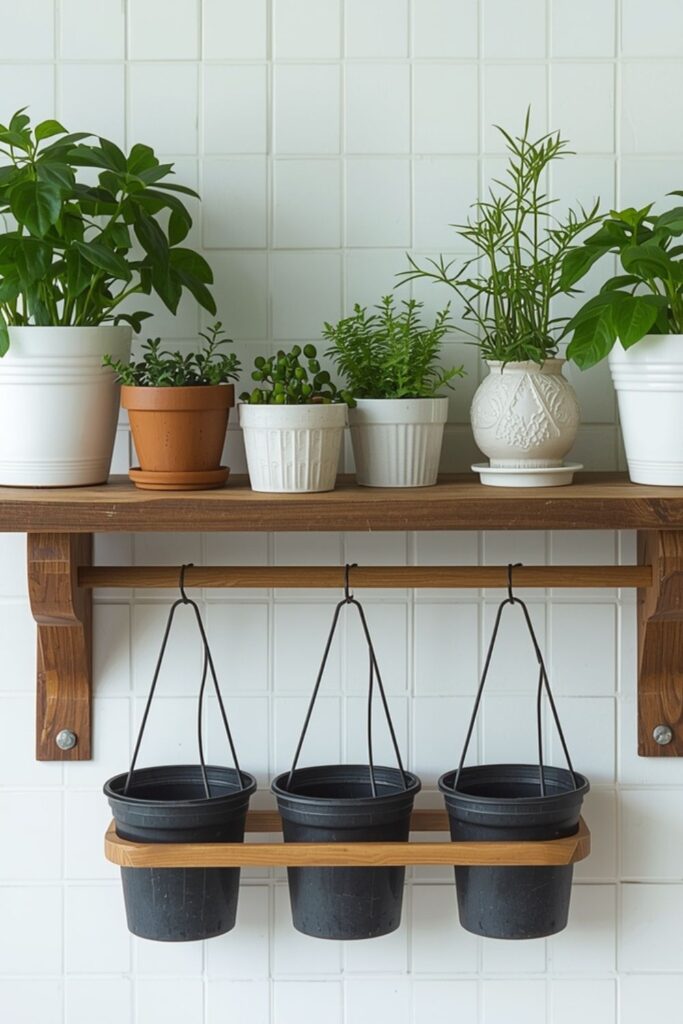
A small kitchen garden shelf combines herbs, compact plants, and simple containers into one cohesive setup. Whether mounted near a window or placed above a backsplash, it creates a natural focal point without overwhelming the space.
This idea works well for people who enjoy nurturing plants and want the kitchen to feel personal rather than styled. Over time, the shelf evolves naturally as plants grow, change, and get replaced.
10. Statement Indoor Plant for Open Kitchens
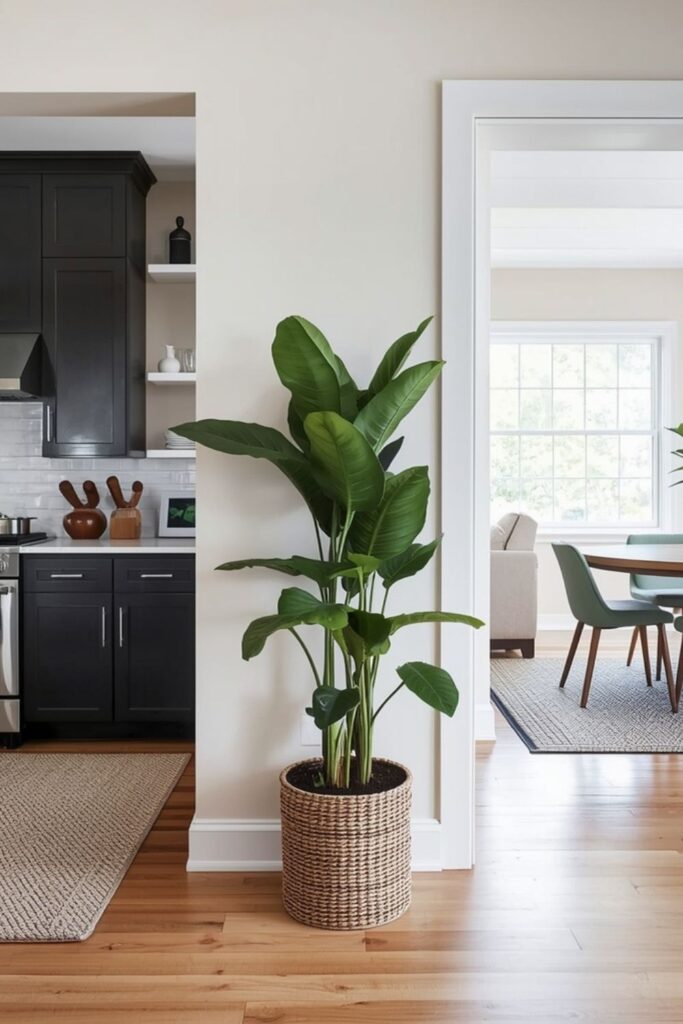
In open or semi-open kitchens, one slightly larger plant — like a rubber plant or fiddle leaf fig — can anchor the space visually. Placed near a corner or breakfast counter, it helps soften transitions between kitchen and living areas.
This approach works best when kept simple. One healthy, well-placed plant often has more impact than several smaller ones scattered randomly.
Tips for Choosing the Right Kitchen Plants
- Choose plants that tolerate heat, humidity, and indirect light
- Avoid placing plants too close to stovetops or chimneys
- Use simple planters that match your kitchen’s color palette
- Prioritize easy-care plants for long-term consistency
FAQs
Which plants are best for kitchens with no sunlight?
Snake plant, ZZ plant, and pothos are excellent choices for kitchens with low or no natural sunlight. They adapt well to indirect light and require minimal care.
Are plants in the kitchen good as per Vastu?
Yes. Plants like lucky bamboo, basil, and aloe vera are considered positive in Vastu when placed properly. Avoid thorny or dried plants in the kitchen.
What are the best plants for kitchen countertops?
Small succulents, aloe vera, herbs, and lucky bamboo work well on kitchen countertops because they stay compact and don’t create clutter.
Can plants survive heat from cooking?
Some plants can tolerate mild heat, but it’s best to keep them away from direct flames and heavy steam. Proper placement ensures longer plant life.
How many plants should be kept in a small kitchen?
In small kitchens, fewer plants work better. Two to four well-placed plants usually feel balanced without making the space look crowded.
Conclusion
Adding plants to your kitchen isn’t about turning it into a garden — it’s about creating a calmer, more welcoming space that feels good to be in every day. The right kitchen plants bring softness to hard surfaces, introduce natural rhythm, and subtly improve the atmosphere without disrupting functionality.
Whether you choose herbs for everyday cooking, low-light plants for darker kitchens, or a single statement plant for an open layout, these 10 stunning kitchen plant ideas are designed to work in real homes. Over time, they don’t just freshen the space visually — they become part of the kitchen’s daily life.
:root{ –dv-text:#314237; –dv-cream:#F6F4EC; –dv-line:#E3E8DF; –dv-soft:#9FB6A4; –dv-btn:#2F3A2F; } /* CARD */ .dv-card{ display:flex; align-items:center; justify-content:space-between; gap:18px; background:var(–dv-cream); border:1px solid var(–dv-line); border-radius:18px; padding:16px 20px; margin:26px 0; box-shadow:0 10px 26px rgba(47,58,47,.08); transition:.25s ease; } .dv-card:hover{ transform:translateY(-3px); border-color:var(–dv-soft); box-shadow:0 18px 38px rgba(47,58,47,.14); } /* LEFT */ .dv-left{ display:flex; align-items:center; gap:16px; flex:1; min-width:0; } .dv-thumb{ width:96px; height:64px; border-radius:14px; overflow:hidden; border:1px solid var(–dv-line); flex-shrink:0; background:#ddd; } .dv-thumb img{ width:100%; height:100%; object-fit:cover; transition:.35s ease; } .dv-card:hover .dv-thumb img{ transform:scale(1.05); } .dv-title{ font-size:16px; font-weight:700; color:var(–dv-text); text-decoration:none; line-height:1.45; max-width:520px; } .dv-title:hover{ text-decoration:underline; } /* BUTTON */ .dv-btn{ background:var(–dv-btn); color:#ffffff !important; padding:10px 20px; border-radius:16px; font-weight:700; font-size:14px; text-decoration:none; border:1px solid var(–dv-btn); display:flex; align-items:center; gap:8px; white-space:nowrap; box-shadow:0 10px 24px rgba(47,58,47,.22); transition:.25s ease; } .dv-btn:hover{ background:var(–dv-soft); border-color:var(–dv-soft); transform:translateY(-2px); } .dv-btn svg{ width:16px; height:16px; stroke:#ffffff; stroke-width:2; fill:none; } /* MOBILE */ @media(max-width:720px){ .dv-card{ flex-direction:column; align-items:flex-start; gap:14px; } .dv-btn{ width:100%; justify-content:center; } .dv-title{ max-width:100%; } }