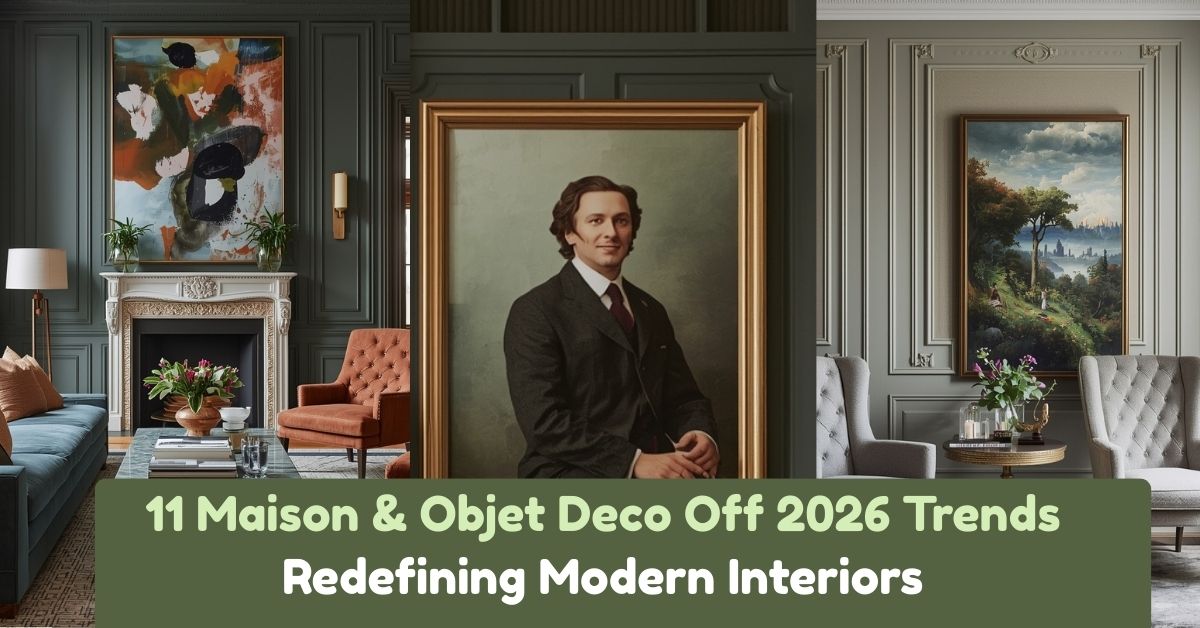
Each year, designers and creatives flock to Paris for Maison & Objet and Paris Déco Off — two of the world’s most influential interior design showcases. In 2026, the tone was markedly different from the last decade of sleek minimalism and fast trends. Instead, what emerged was a set of design ideas rooted in craft, story, material longevity, and sensory richness. These weren’t just pretty concepts for glossy magazines; they reflect how people genuinely want to live, work, and feel at home.
Understanding these shifts helps homeowners, designers, and décor lovers bridge creative innovation with lived experience. In this article, we look at 11 Maison & Objet Deco Off 2026 Trends Redefining Modern Interiors spotted across the shows and explain what modern homes are actually preferring instead. Whether you’re planning a refresh or full renovation, these insights connect big-stage aesthetics with real, functional everyday living.
11 Maison & Objet Deco Off 2026 Trends Redefining Modern Interiors
Table of Contents
1. From Cool Minimalism to Warm Materiality
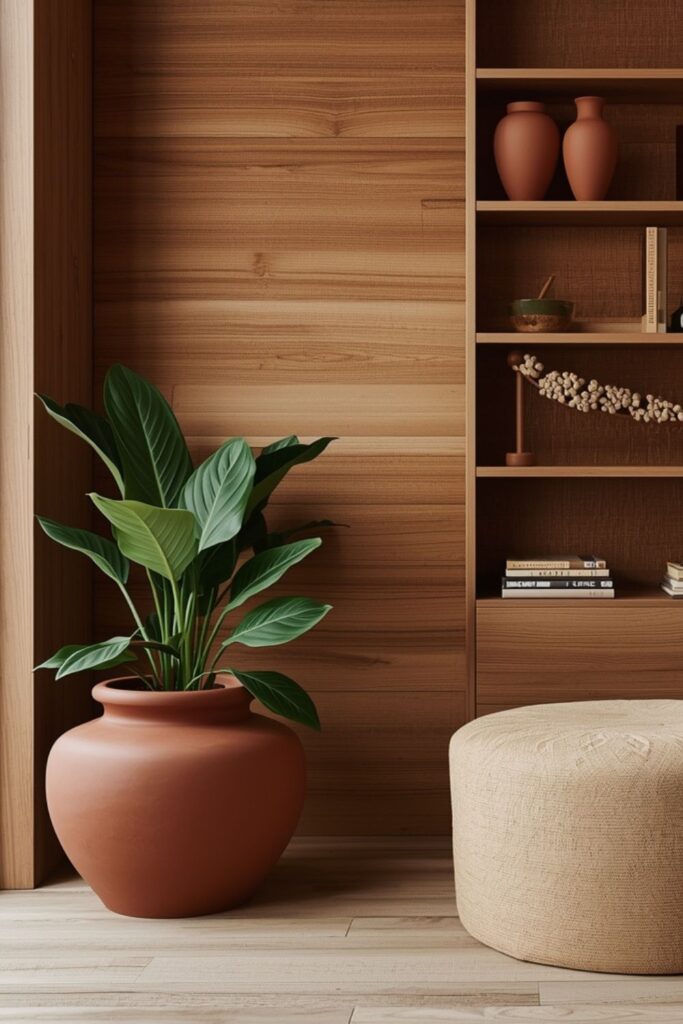
Paris design week made a clear shift away from stark minimalism toward richly tactile materials — clay, cork, stone, wood and fabrics that invite touch and warmth. Designers treated surfaces as sensory experiences more than simple backdrops.
Modern homes are embracing this idea by anchoring spaces with natural materials — think clay planters, wooden shelving, linen upholstery, and textured stone — but without the cold, austere feel of past minimalism. Instead of flat, white dormitory aesthetics, people want depth and substance underfoot and within reach.
2. Curved and Sculptural Forms Take Precedence
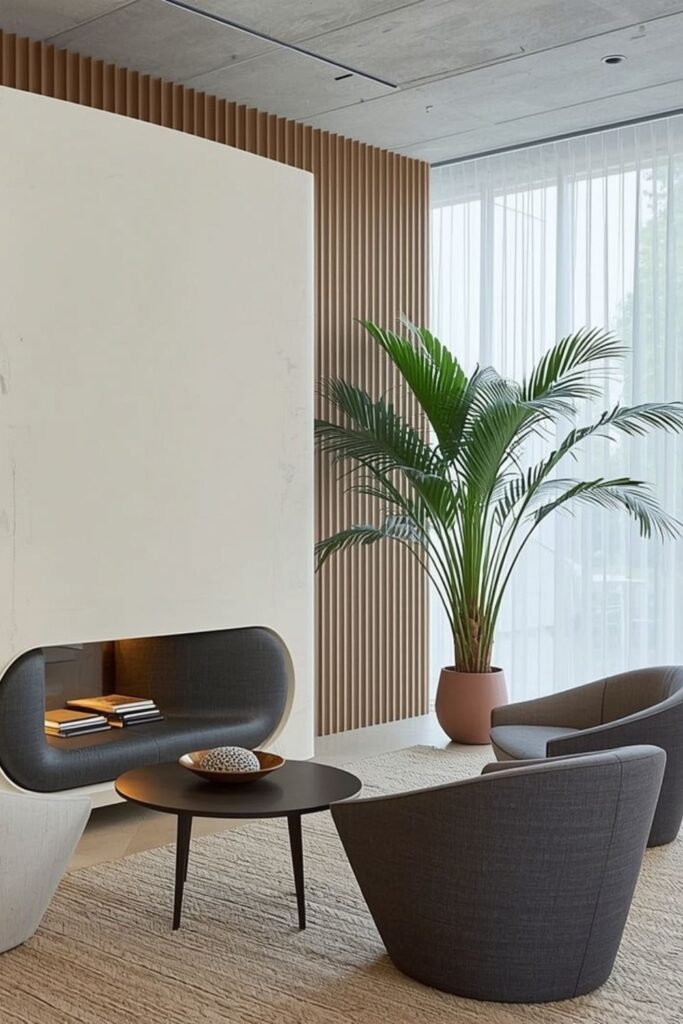
A major highlight at M&O was the emphasis on curved furniture and organic shapes that soften interiors and create flow. From seating to lighting, designers moved away from strict right angles toward fluid design that feels inviting.
Rather than rigid modular pieces that feel static, modern homes are choosing rounded, approachable forms that encourage relaxation and conversation. This trend works beautifully for multi-use spaces where movement and comfort are priorities.
3. Upcycling and Transformation Over Fast Consumption
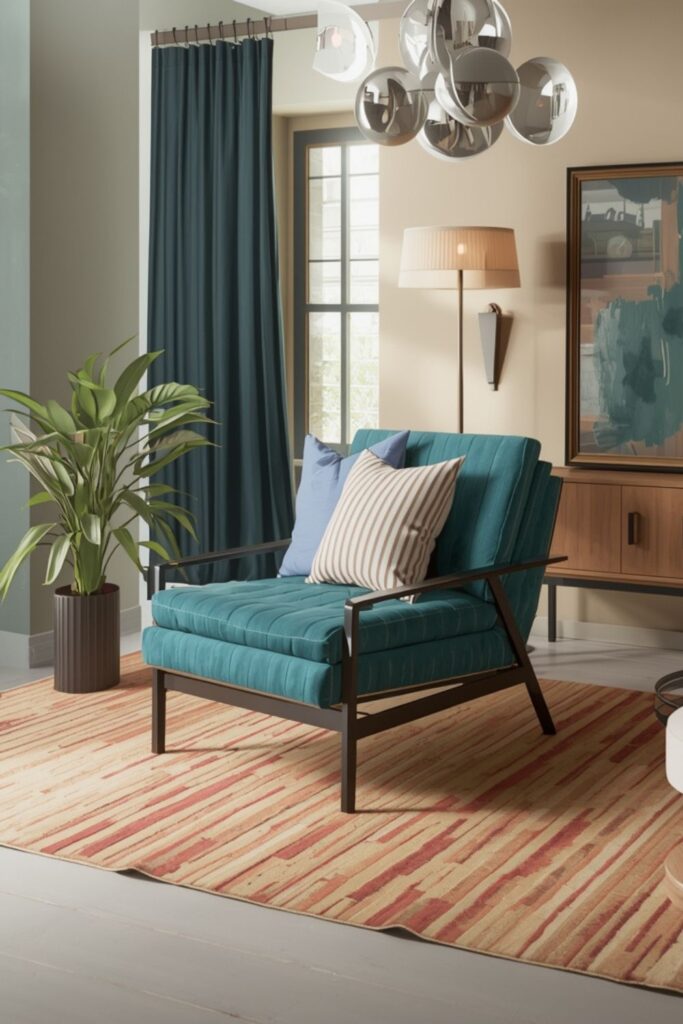
Under the theme Past Reveals Future, a strong message was that nothing should be discarded — everything can transform. Designers showcased objects and materials reimagined into new forms through upcycling and creative reinvention.
Contemporary homes are reflecting this by prioritizing repurposed or second-life furnishings over mass-produced décor. Whether it’s a vintage chest reupholstered to match today’s palette or ceramic pieces reinterpreted as lighting, people want items with story and longevity.
4. Neo-Baroque and Refined Detail Replace Blank Walls
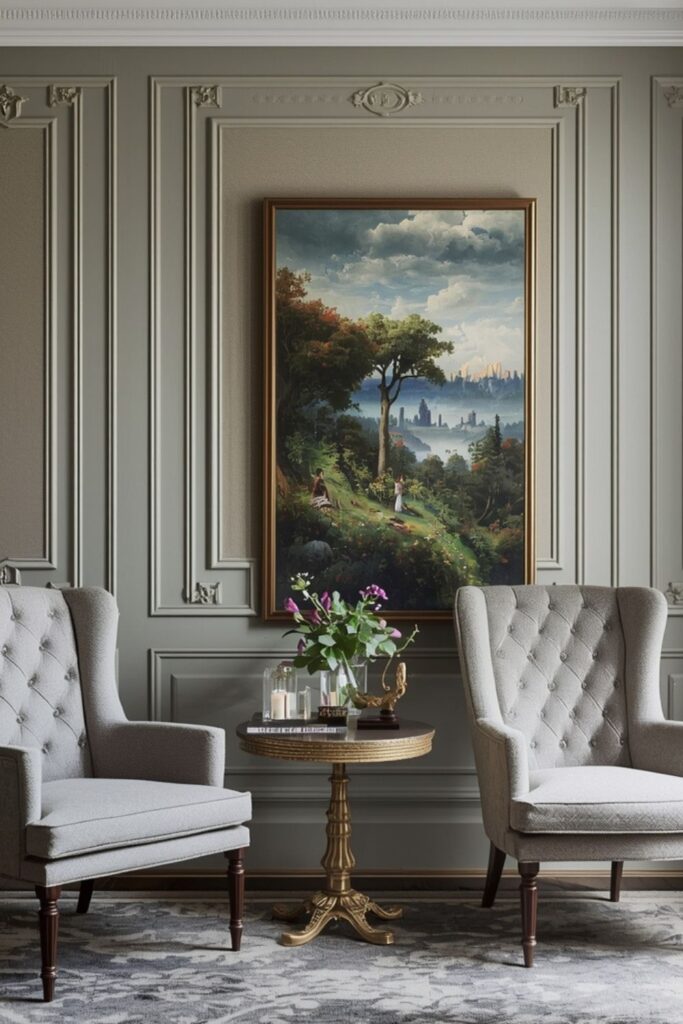
The “Revisited Baroque” concept — classic design languages reinterpreted in contemporary ways — appeared strongly across exhibits. Designers aren’t repeating historical styles; they’re editing and refining them for the present.
Instead of blank expanses or plain wallpaper, modern homes are leaning toward textured wall finishes, detailed trim, and curated pattern plays. These elements give spaces character without feeling dated or overly ornate.
5. Bold Colors and Expressive Hues Over Safe Neutrals
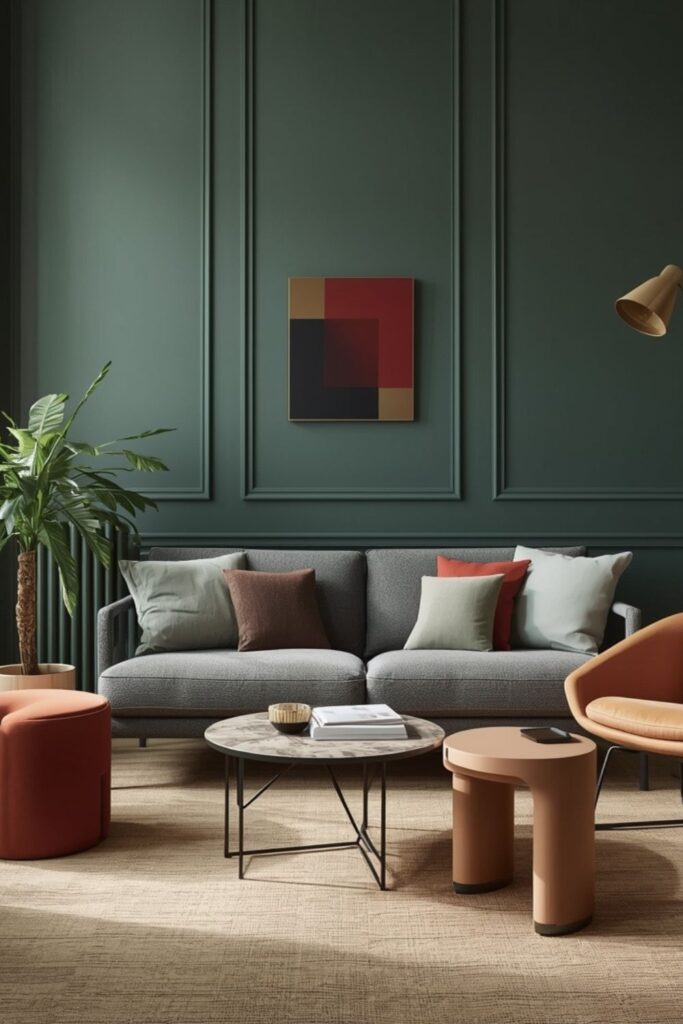
Maison & Objet highlighted expressive palettes with earth tones, vibrant hues, and even immersive color drenching on furniture and textiles. This reflects a broader move away from predictable greys and washed-out neutrals.
While not everyone will paint entire rooms in saturated shades, modern homes are increasingly using color as emotional uplift — deep terracottas, rich greens, jewel tones — balanced with softer neutrals to keep spaces grounded but lively.
6. Textiles as Art, Not Just Function
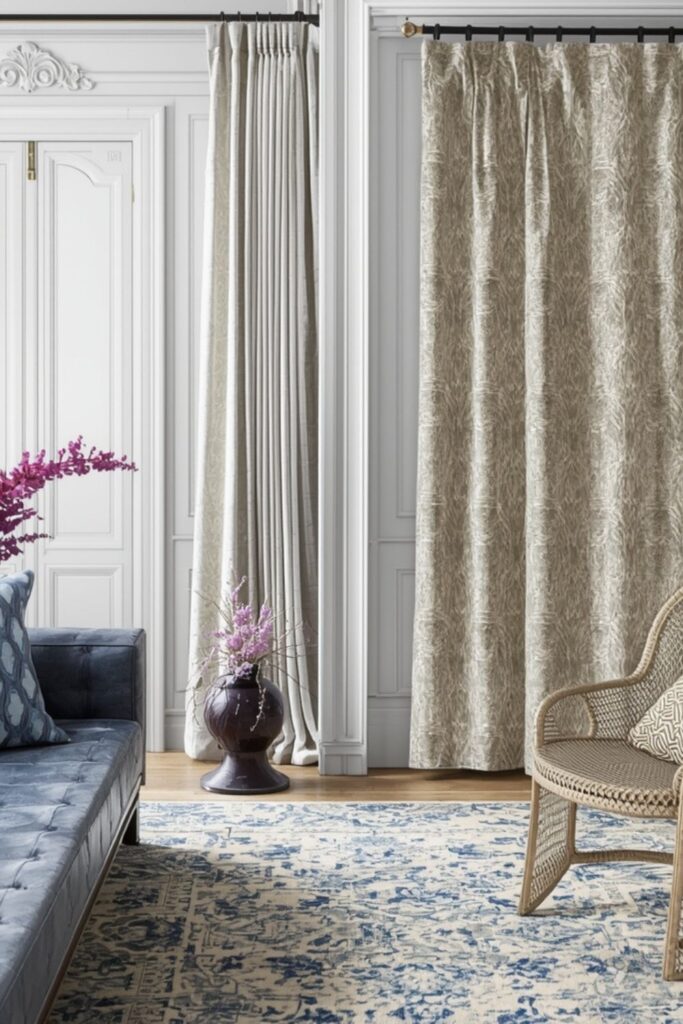
Paris Deco Off put textiles front and center — from sculptural wallcoverings to painterly patterns. Fabrics were treated as architectural elements that shape space and evoke mood.
Homes are reflecting this by treating textiles as primary design features — layered rugs, artisanal tapestries, or richly textured curtains that do more than cover windows. These pieces serve as visual anchors and tactile experiences.
7. Craftsmanship and Handmade Quality Over IKEA Aesthetics
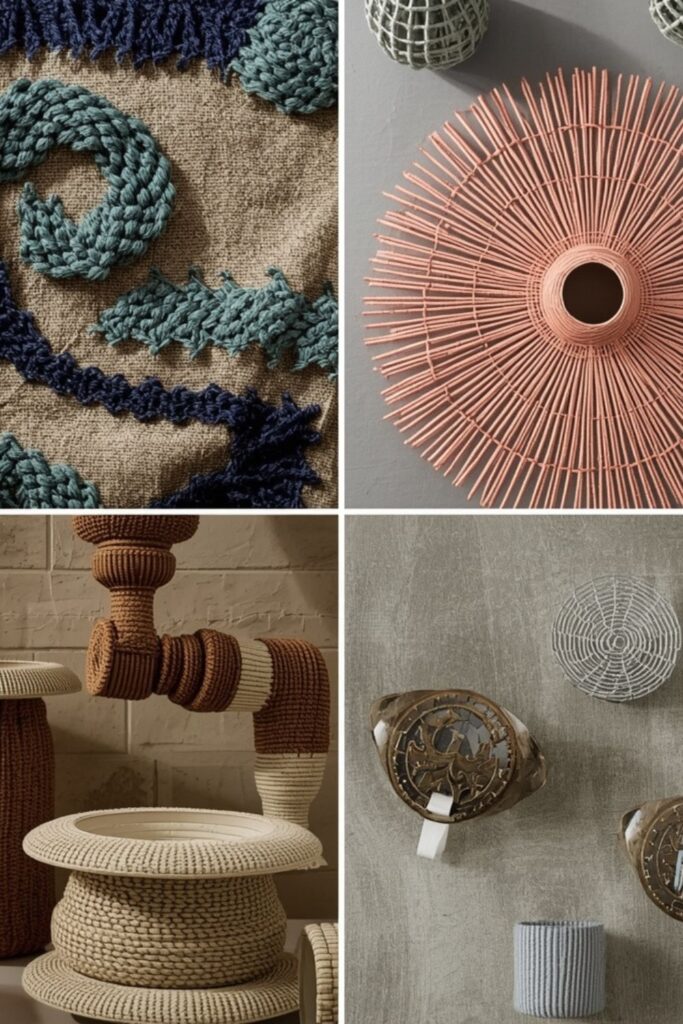
Across both fairs, craftsmanship stood out. Hand-stitched textiles, artisanal finishes, and materials that bore human touches highlighted a preference for real making versus machine repetition.
In everyday interiors, this translates to shoppers choosing handmade ceramics, artisan glassware, or bespoke furniture that feels personal and intentional. The effect is a richer, more connected atmosphere compared to generic mass options.
8. Emotional Storytelling > Impersonal Spaces
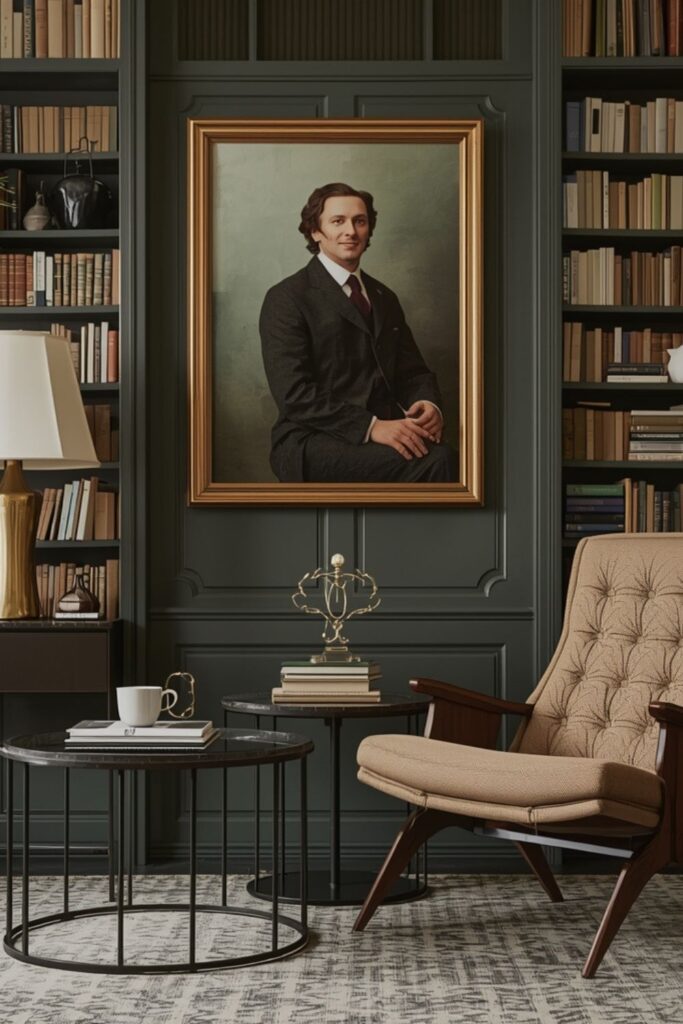
Designers explicitly favored objects and surfaces that carry narrative and heritage — whether pulled from archives or inspired by folk traditions. This isn’t just decoration; it’s emotional engagement.
Modern homes now prefer meaningful décor over fleeting ornamentation. Pieces that hint at history, culture, or personal experience create spaces that feel lived-in and individual, not staged.
9. Statement Lighting and Sculptural Fixtures
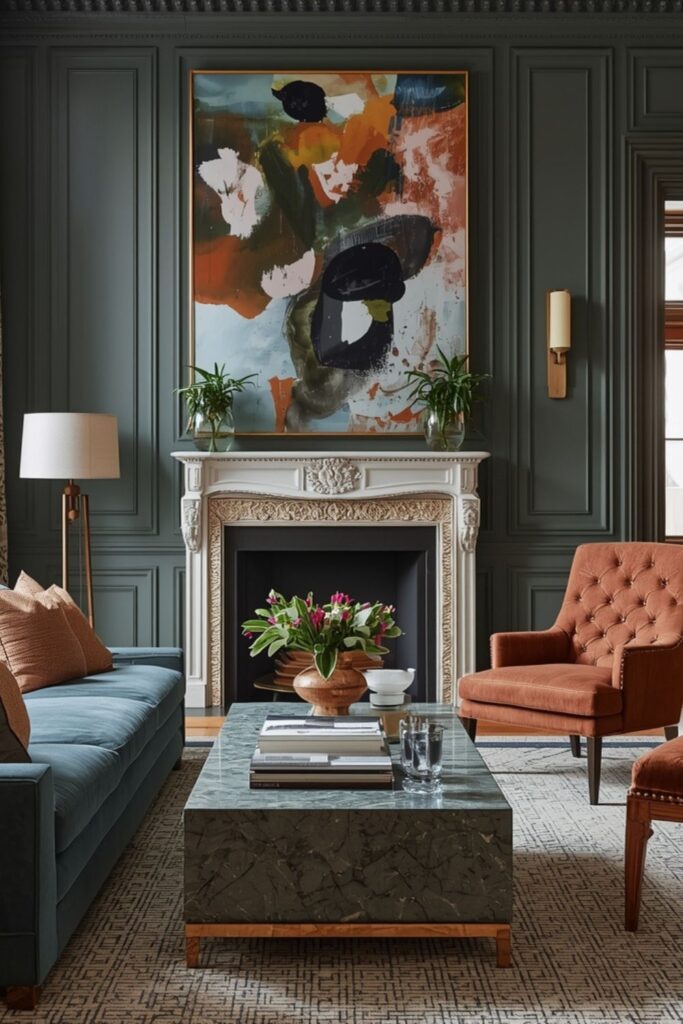
Lighting at Maison & Objet wasn’t merely functional — it was sculptural and expressive, shaping space and mood rather than just illuminating it.
Today’s interiors gravitate toward statement pendants, layered light sources, and artistic fixtures that double as art. These elevate everyday environments while supporting flexibility for work, rest, and socializing.
10. Balanced Maximalism Over Cluttered Interiors
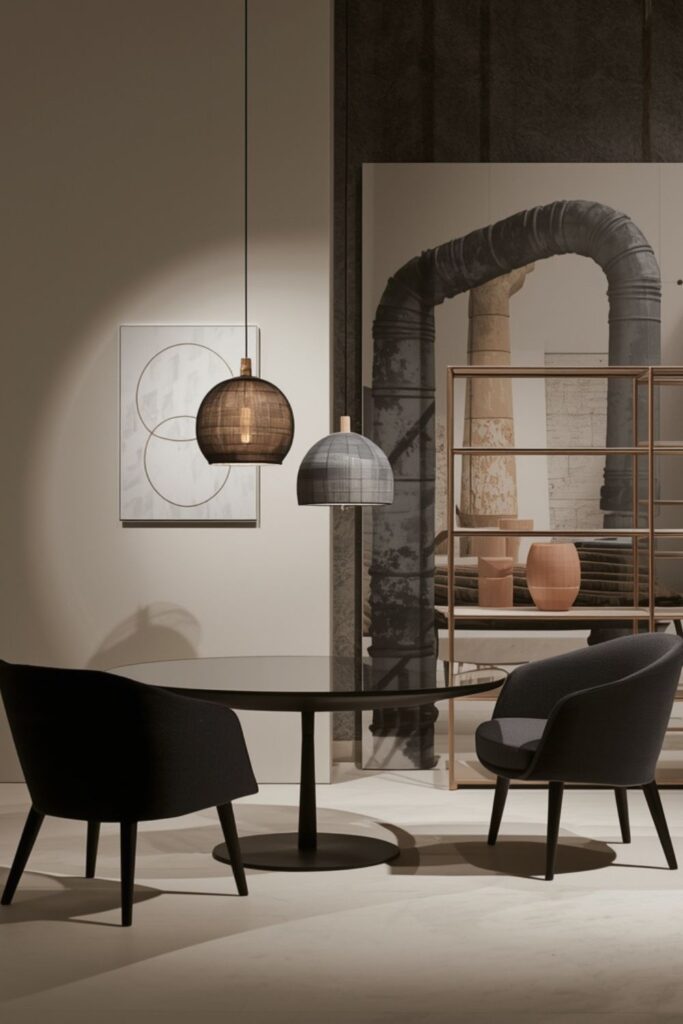
While maximalist influences appeared, exhibitors showed restraint — rich material, color, and form held within considered frameworks rather than sensory overload.
In practice, homeowners are adopting balanced richness — curated collections, interesting objects, and layered textures that feel intentional, not chaotic. It’s about depth with discipline.
11. Outdoor-Indoor Continuity and Comfortable Living Zones
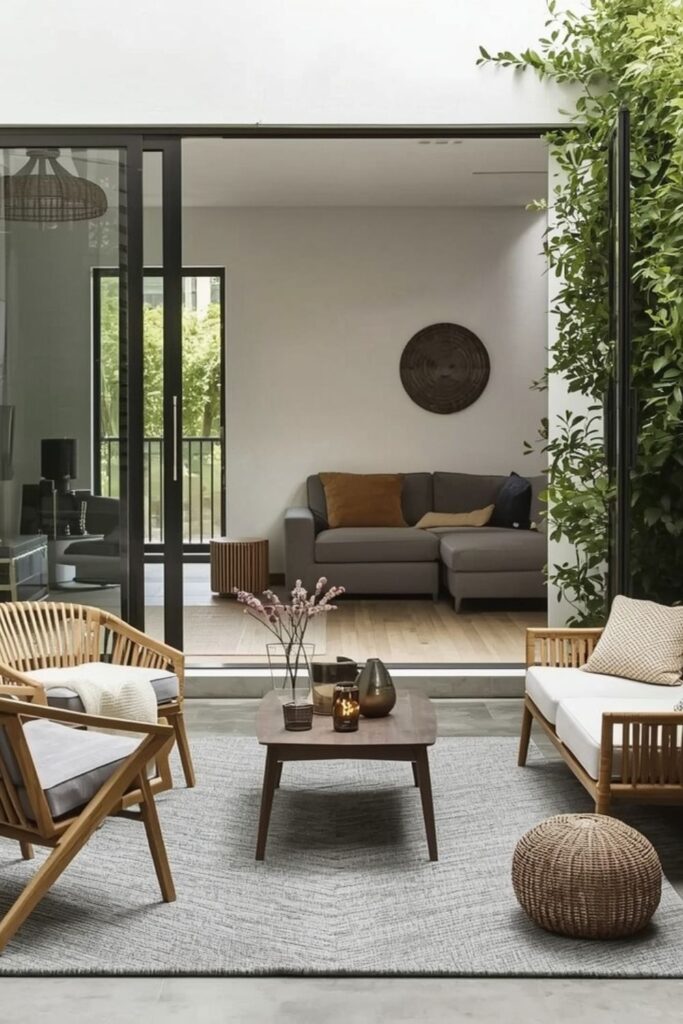
Maison & Objet and related coverage emphasized outdoor furniture that blends into interior living spaces, suggesting a continuity between inside and outside.
Modern homes, especially urban apartments or small gardens, now prefer seamless indoor-outdoor transitions — lounge-ready balconies, dining patios, or living areas that visually connect to greenery. This supports wellbeing and expands usable space.
Conclusion
The design themes emerging from Maison & Objet and Paris Déco Off 2026 aren’t about flash or fleeting glamour. They reflect a genuine shift toward depth, meaning, and sensory richness — design that supports how people want to live now. Rather than trend-chasing, modern homes prioritize materials, craft, emotion, and enduring style. Whether you’re refreshing a sofa or rethinking a whole room, these themes offer grounded inspiration that feels both current and deeply satisfying.
Explore More: 11 Reasons Why Living-Dining Rooms Are Losing Popularity?