If you’ve ever wondered Why Japanese Kitchen Layouts Feel Calmer Than Western Designs, the answer lies in philosophy, proportion, and simplicity. Japanese interiors prioritize balance, light, and functionality over excess decoration. The result is a kitchen that feels quiet, organized, and visually soothing.
For homeowners in first-tier cities who deal with compact spaces and fast-paced lifestyles, this approach feels especially relevant. Whether you are exploring Japanese kitchen design for small space or modern kitchen 2025 ideas, the Japanese layout philosophy offers clarity and calm. Let’s explore the 10 Reasons Why Japanese Kitchen Layouts Feel Calmer Than Western Designs.
10 Reasons Why Japanese Kitchen Layouts Feel Calmer Than Western Designs (2026 Trends)
Table of Contents
1. Minimal Visual Clutter
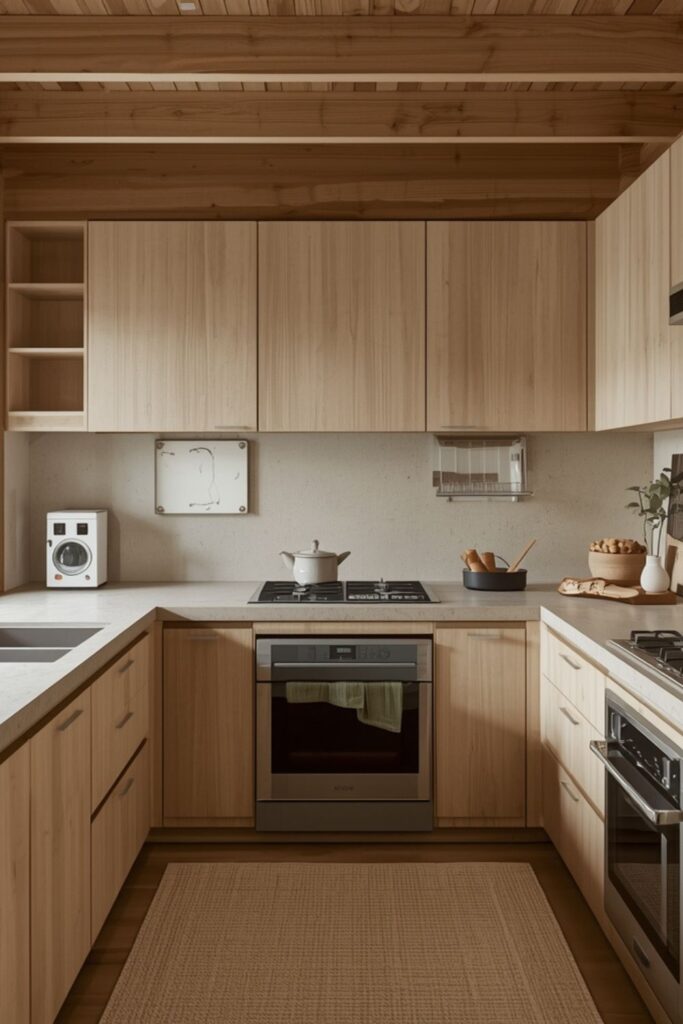
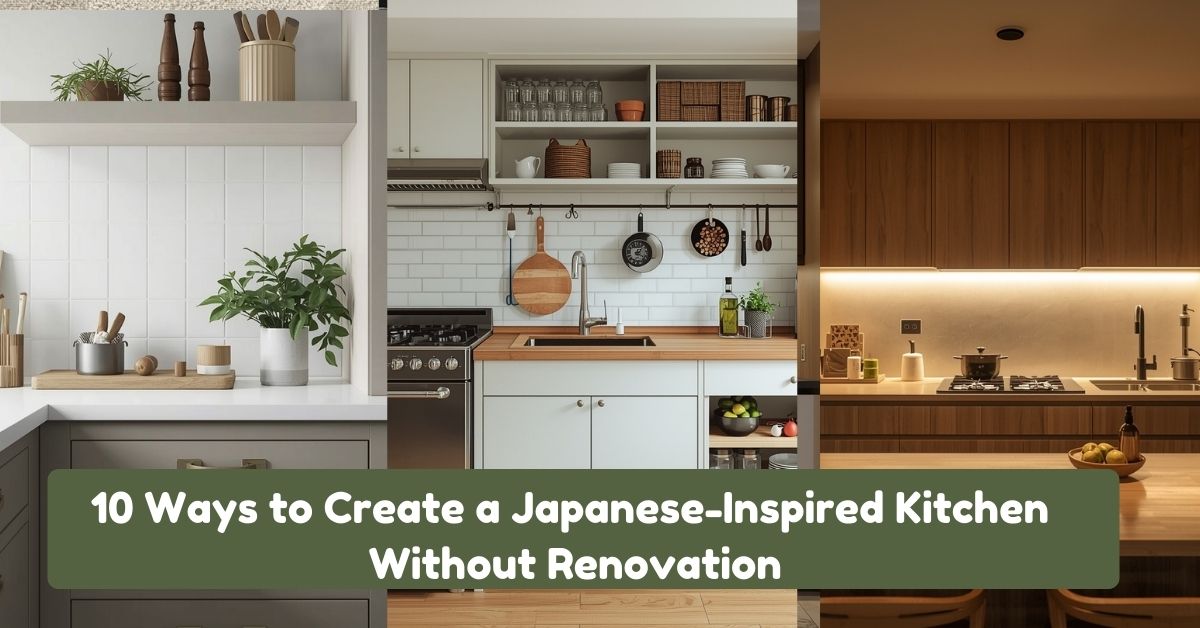
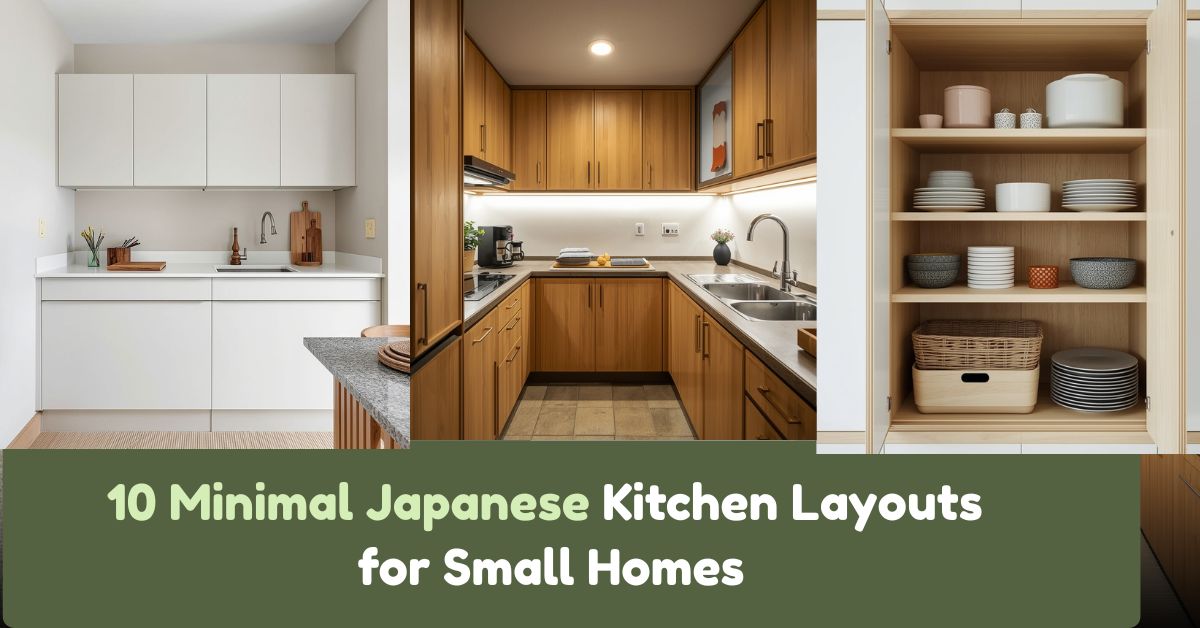
Japanese kitchens focus on hiding appliances, tools, and storage behind clean cabinetry. This reduces open shelving overload and eliminates unnecessary decoration. The eye experiences fewer interruptions, which naturally creates a calming effect.
In contrast, many Western kitchens emphasize display and decorative styling. While beautiful, it can sometimes feel busy. Japanese layouts prioritize simplicity, making even small kitchen designs 2025 feel open and breathable.
2. Natural Materials and Soft Textures
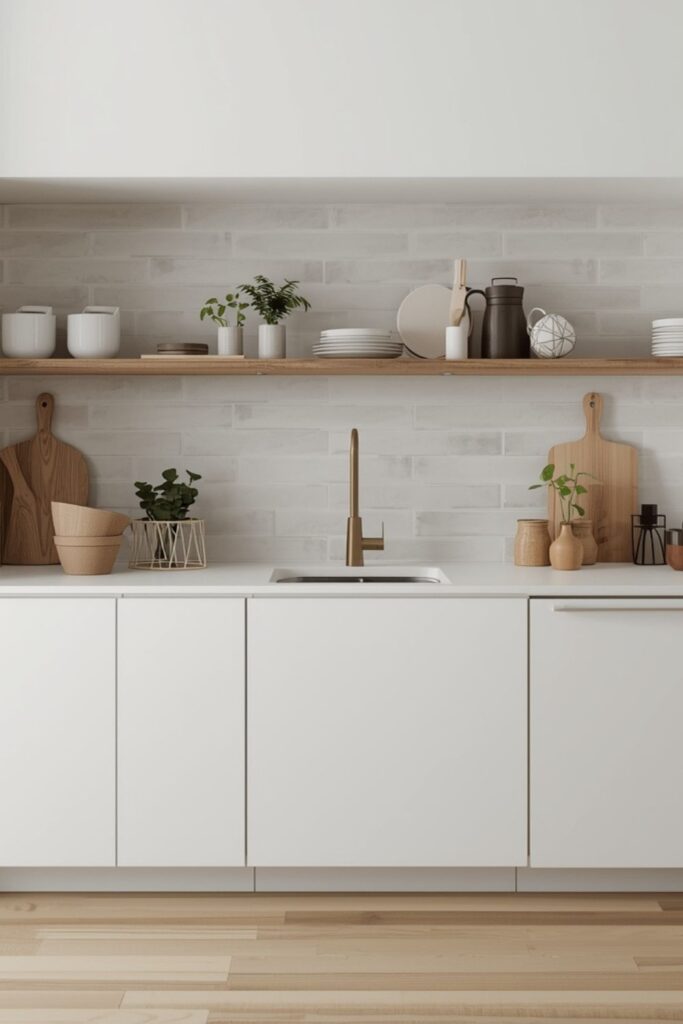
Wood, stone, and matte finishes are central to traditional Japanese kitchen design. These materials add warmth without overpowering the senses. Light oak cabinetry and neutral countertops create a grounded atmosphere.
Western kitchens often incorporate bold contrasts and glossy finishes. Japanese design, however, uses texture subtly. This balance answers the question, “Why are the Japanese so good at design?” because they blend simplicity with sensory comfort.
3. Compact and Efficient Planning
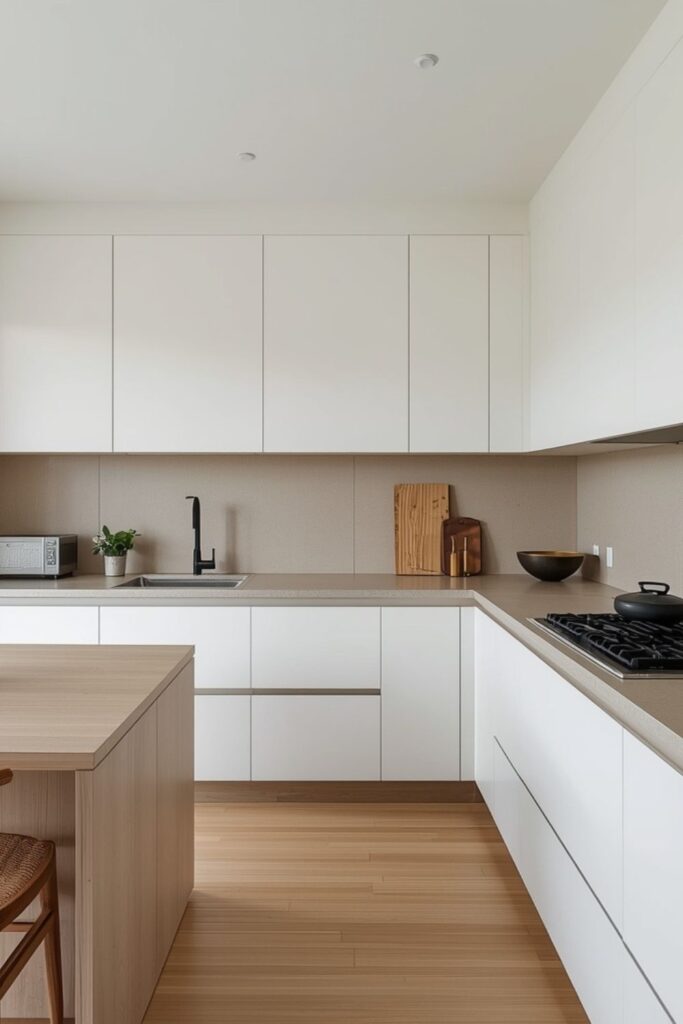
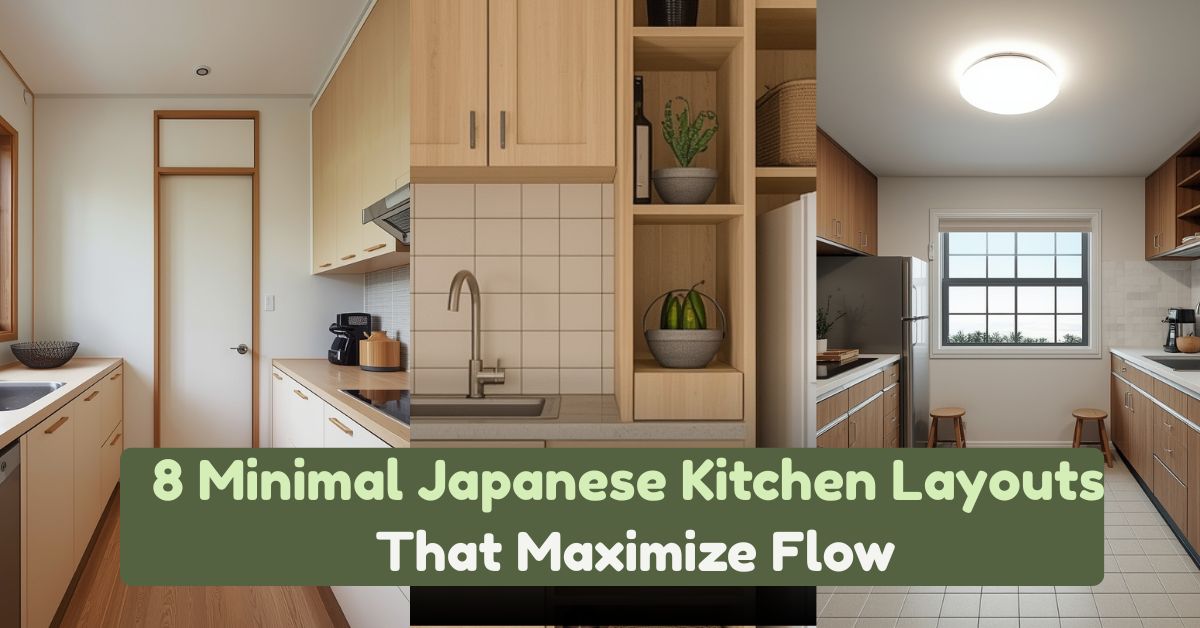
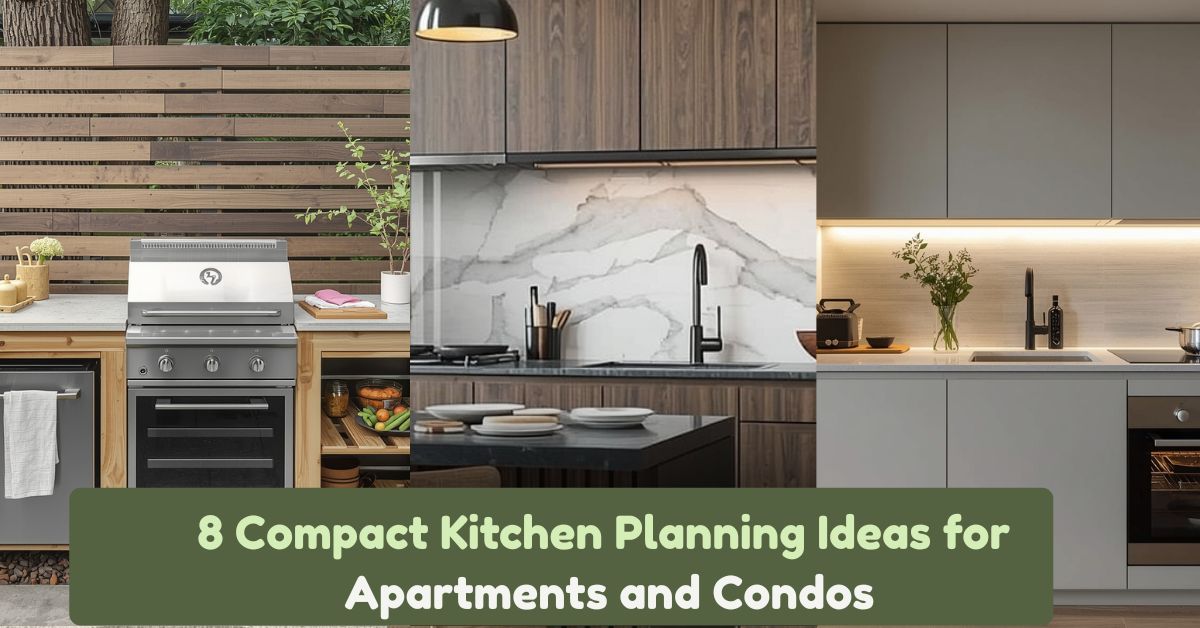
Efficiency is central to Japanese kitchen layouts. Every cabinet and drawer is designed with purpose, especially in urban apartments. This makes Japanese kitchen design for small space highly practical.
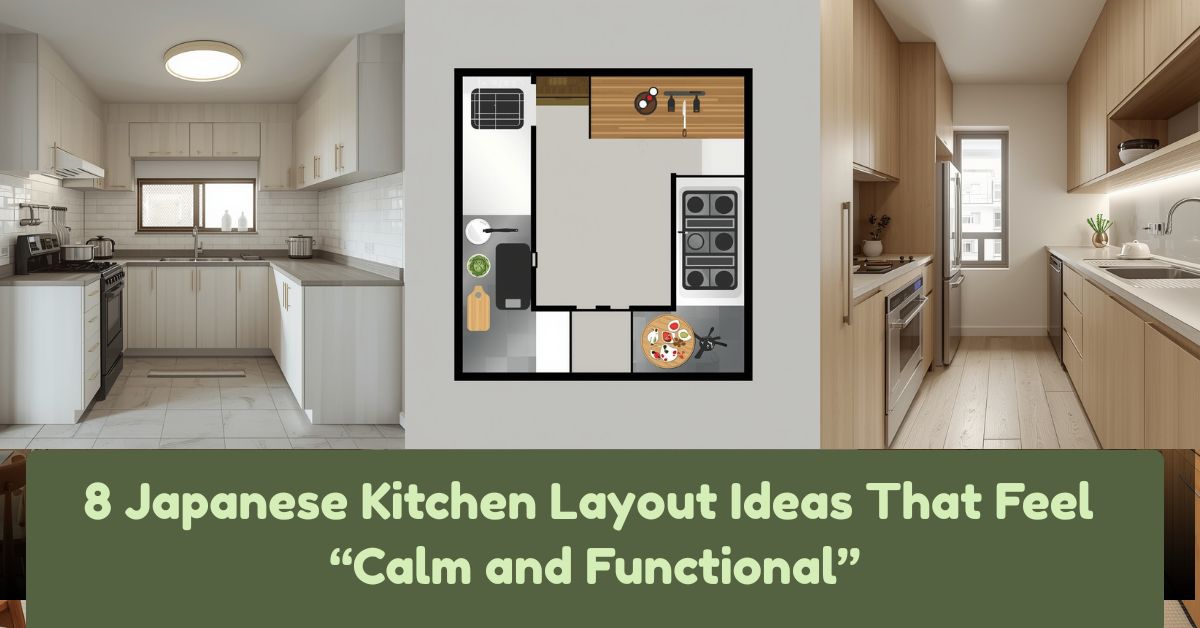
When asking, “What is the most efficient layout for a kitchen?” the answer often aligns with Japanese galley or L-shaped formats. These layouts minimize movement and maximize workflow, enhancing both calmness and productivity.
4. Neutral and Muted Color Palettes
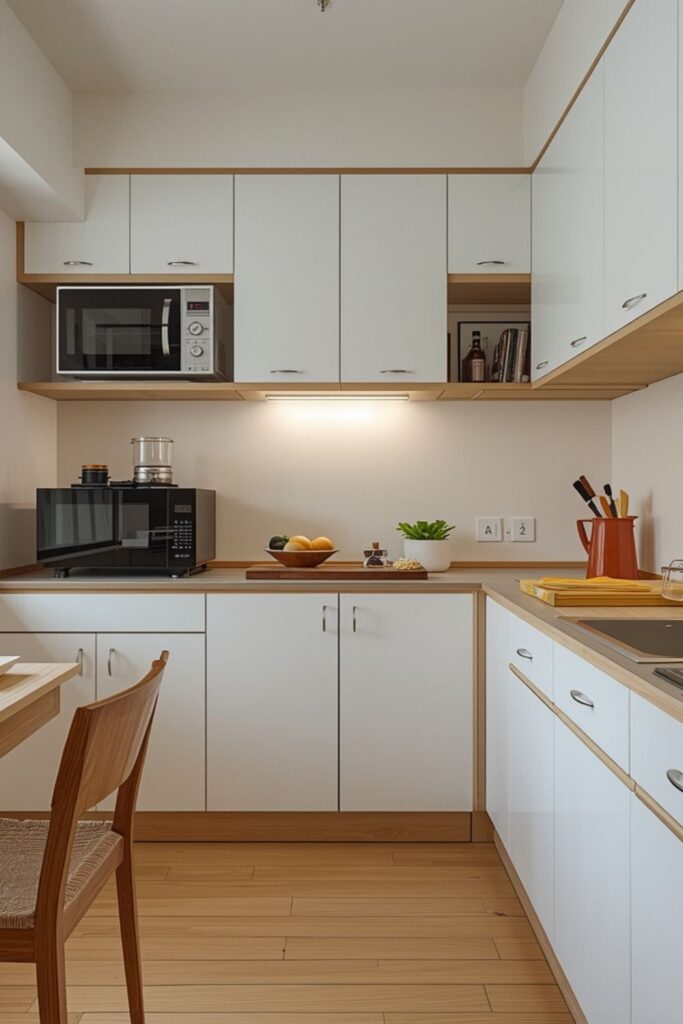
Japanese kitchens rely heavily on soft whites, warm beiges, muted greys, and natural wood tones. These tones align with Kitchen 2025 colors that emphasize earthy calmness. The restrained palette avoids overstimulation.
Western kitchens sometimes experiment with bold cabinetry or dramatic backsplashes. While stylish, they can feel visually intense. Japanese palettes maintain harmony, which is why Japanese Kitchen Layouts Feel Calmer.
5. The 60-30-10 Balance Rule
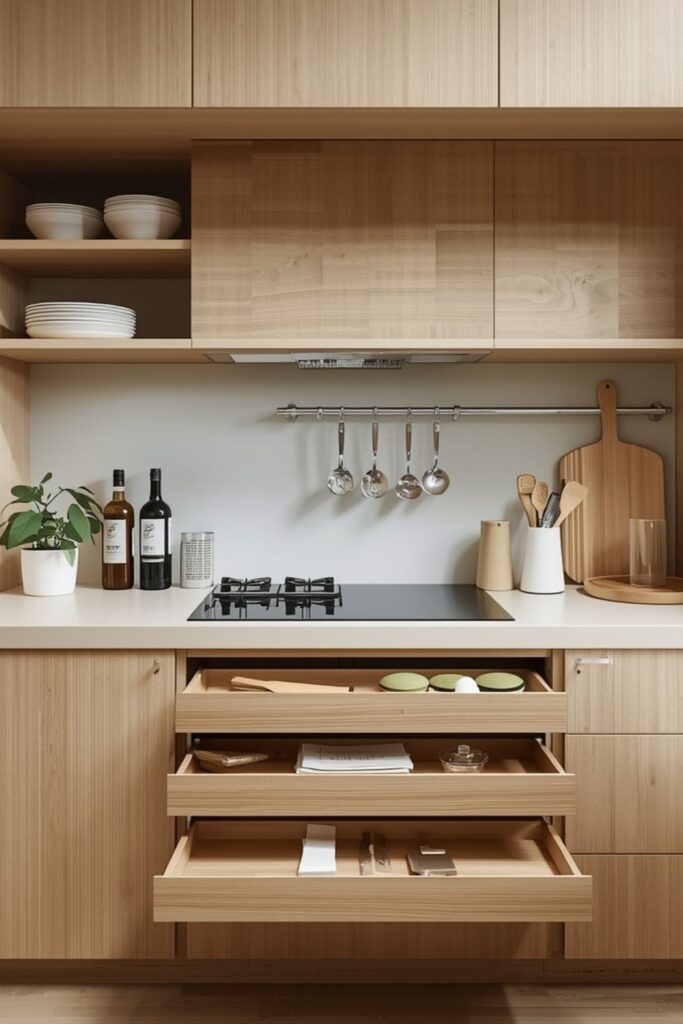
The 60-30-10 rule for kitchens refers to using 60% dominant color, 30% secondary tone, and 10% accent color. Japanese kitchens naturally follow this principle through layered neutrals and subtle highlights.
Instead of bold contrasts, accent colors are often introduced through small décor or natural elements. This proportional balance creates visual stability. It’s one of the quiet yet powerful Reasons Why Japanese Kitchen Layouts Feel Calmer.
6. Seamless Storage Solutions
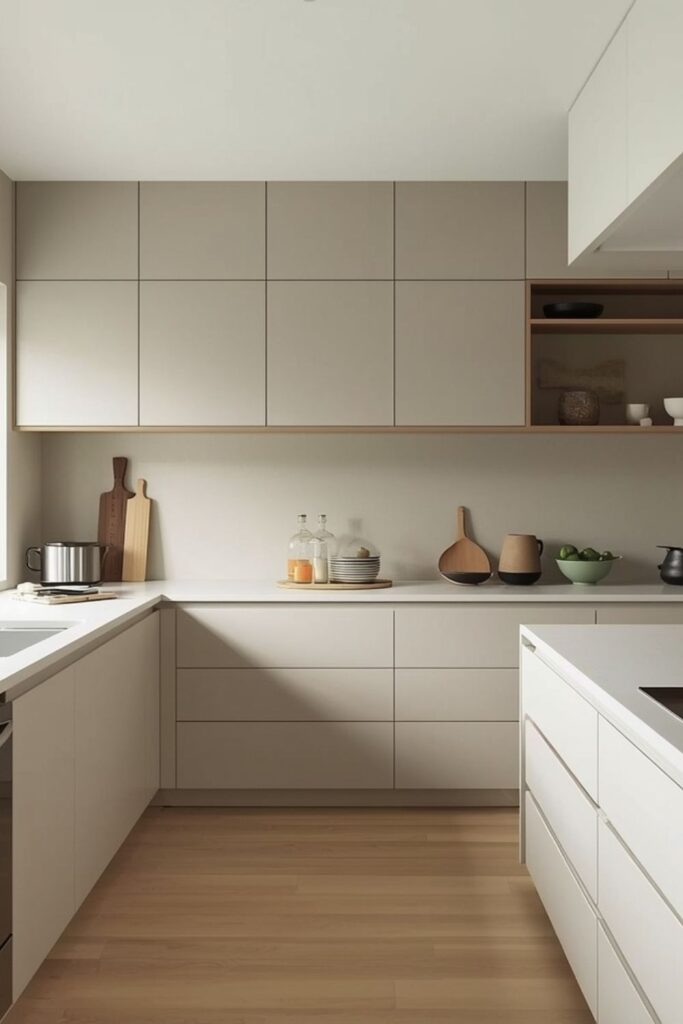
Integrated storage is a defining feature of modern Japanese kitchen design. Pull-out drawers, concealed racks, and hidden compartments keep surfaces clear. Clean countertops immediately reduce mental stress.
In many Western kitchens, open storage is common for decorative appeal. Japanese kitchens, however, prioritize concealed organization. This supports minimalism and contributes to a serene environment.
7. Strong Connection to Nature
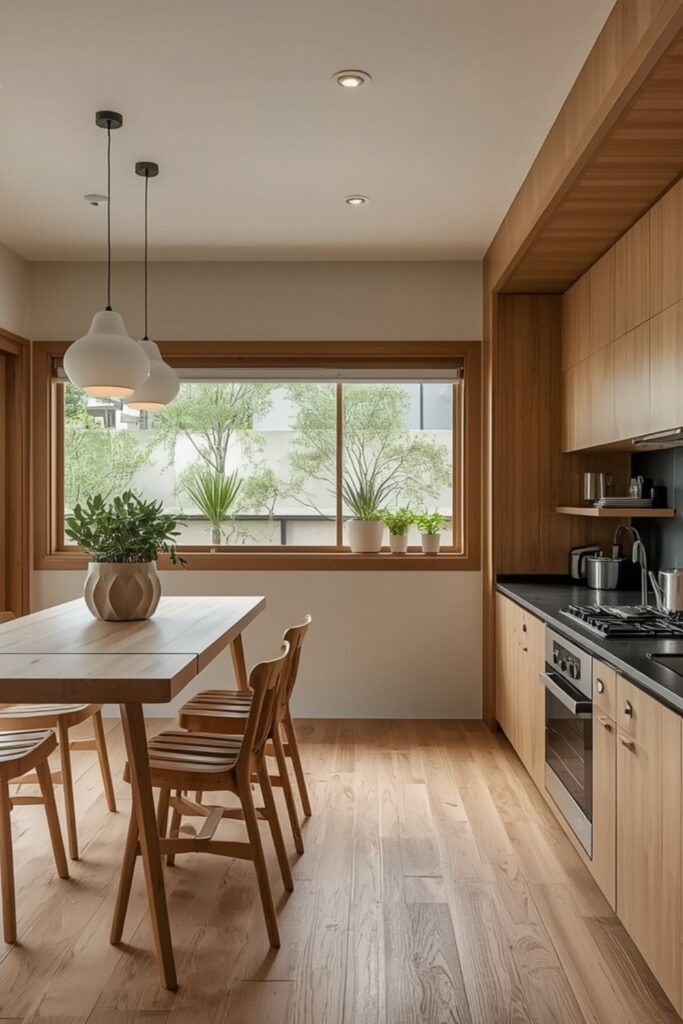
Japanese kitchens often incorporate natural light, indoor plants, or views of greenery. Even in first-tier city apartments, designers try to maximize daylight exposure. Light wood finishes enhance this connection.
Nature-inspired design is a major kitchen design trend for 2025. This philosophy helps reduce visual tension and creates a peaceful cooking environment. It’s a timeless aspect of traditional Japanese kitchen design.
8. Low-Height and Human-Centric Proportions
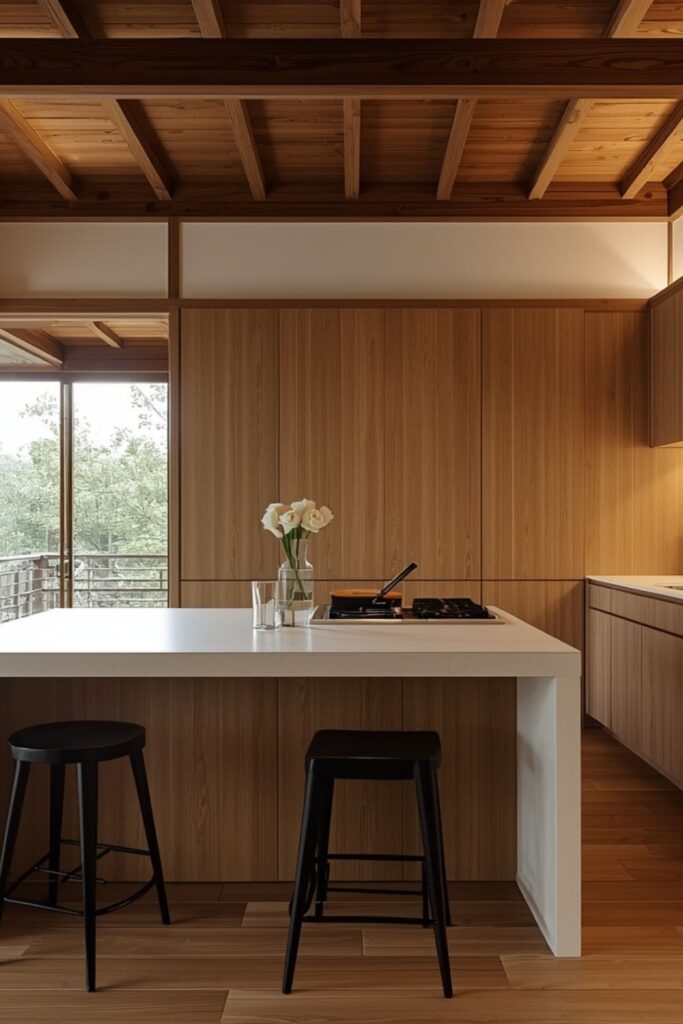
Japanese interiors are designed around human comfort and proportion. Cabinet heights, counter placements, and layouts feel ergonomic rather than imposing. This human-scale design contributes to emotional calmness.
Western kitchens, especially those with large islands, can sometimes dominate the space. In contrast, Japanese kitchens feel intimate and balanced. This thoughtful scale is another reason Why Japanese Kitchen Layouts Feel Calmer Than Western Designs.
9. Subtle Lighting Design
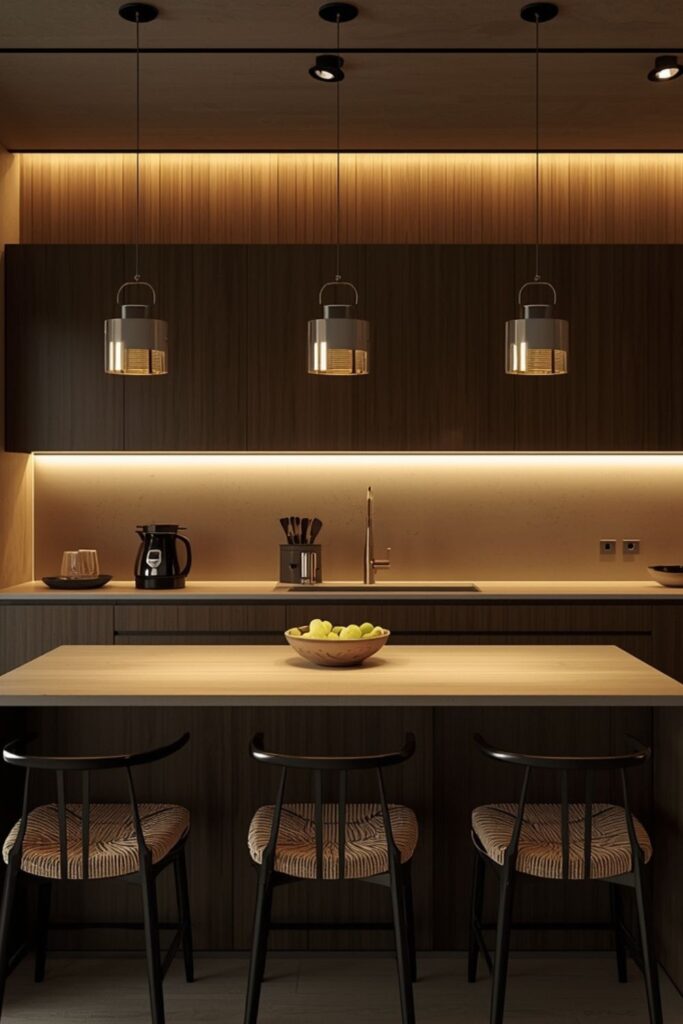
Lighting in Japanese kitchens is layered and soft rather than dramatic. Warm indirect lighting reduces glare and harsh shadows. This creates a relaxed and inviting atmosphere.
Modern kitchen 2025 ideas increasingly adopt this softer lighting approach. Instead of spotlight-heavy ceilings, Japanese layouts emphasize even illumination. The result is a kitchen that feels peaceful at any time of day.
10. Focus on Mindful Living
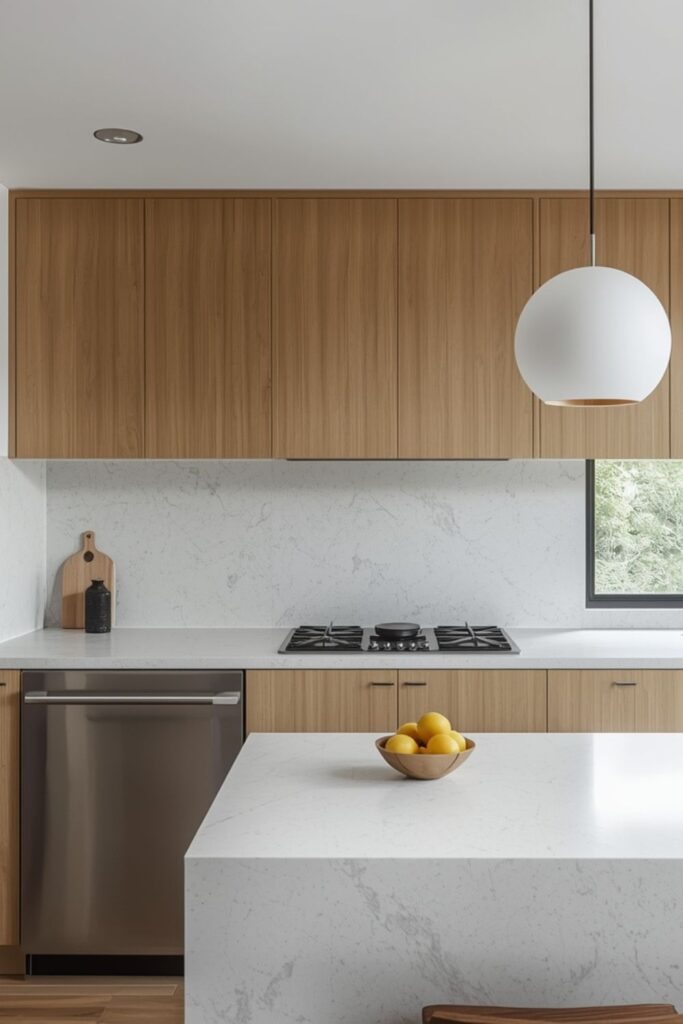
Japanese kitchen design reflects a broader philosophy of mindfulness and intentional living. Every object has a purpose, and excess is removed. This simplicity reduces decision fatigue and visual stress.
For homeowners in first-tier cities seeking calm amid busy lifestyles, this approach feels refreshing. Among the 10 Reasons Why Japanese Kitchen Layouts Feel Calmer Than Western Designs, mindfulness may be the most powerful.
Conclusion
Understanding Why Japanese Kitchen Layouts Feel Calmer Than Western Designs reveals that it’s not just about aesthetics — it’s about intentional design choices. From muted colors to efficient layouts and concealed storage, every element works together to create harmony.
As kitchen design trends for 2025 move toward simplicity, nature-inspired materials, and human-centric planning, Japanese layouts continue to influence global interiors. For compact urban homes and modern apartments, these principles offer both practicality and peace.
Also Read: 10 Neutral Kitchen Backsplash Tiles That Work With Any Style (2026 Guide)